ACM sign trays
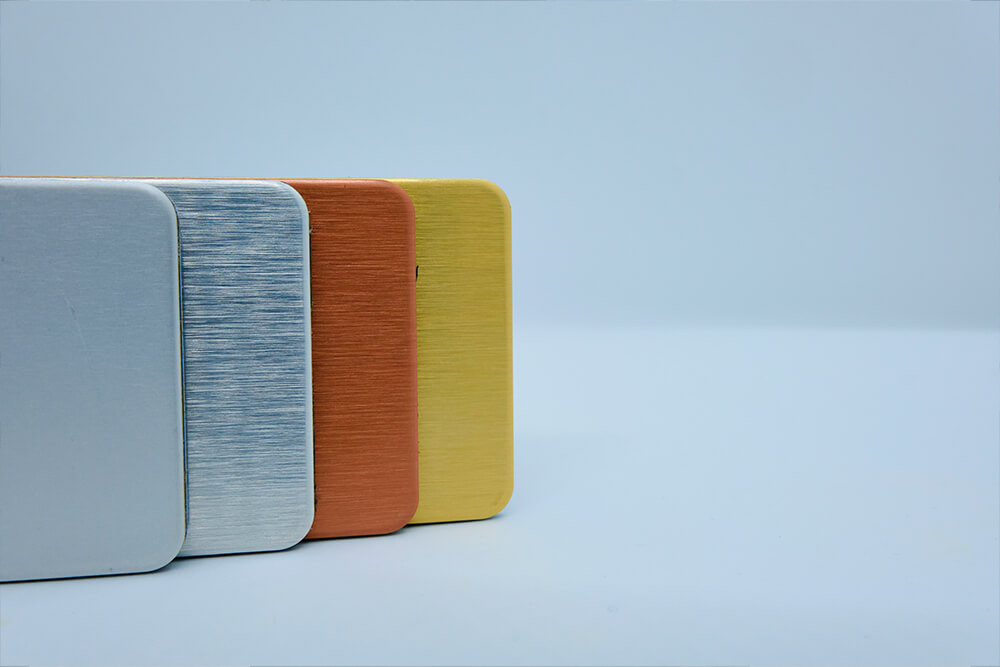
V-grooved ACM panels, folded sign trays and clean shopfront components.

Panels, pockets and V-grooves
CNC routing, drilling, pocketing and V-grooving for ACM, HDPE, MDF, plywood, PVC foamboard, composite panels and selected aluminium work.
Service detail
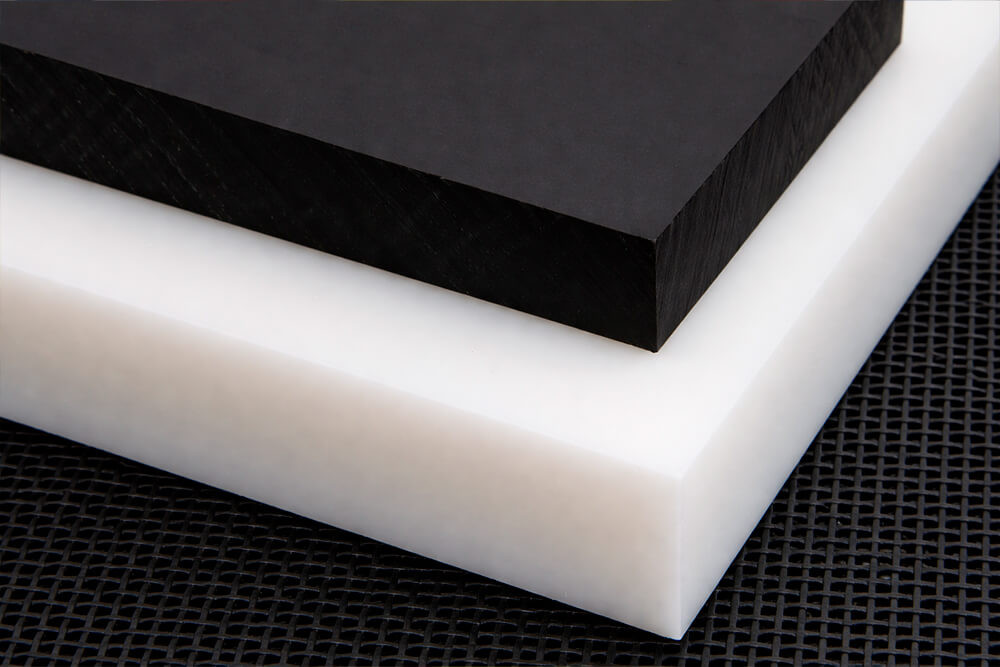
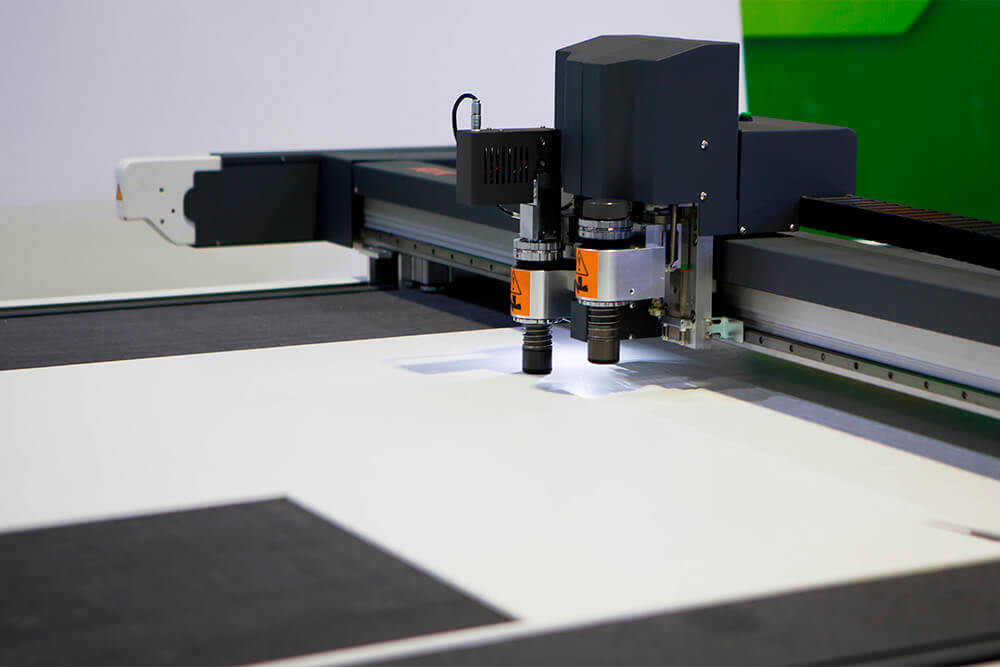
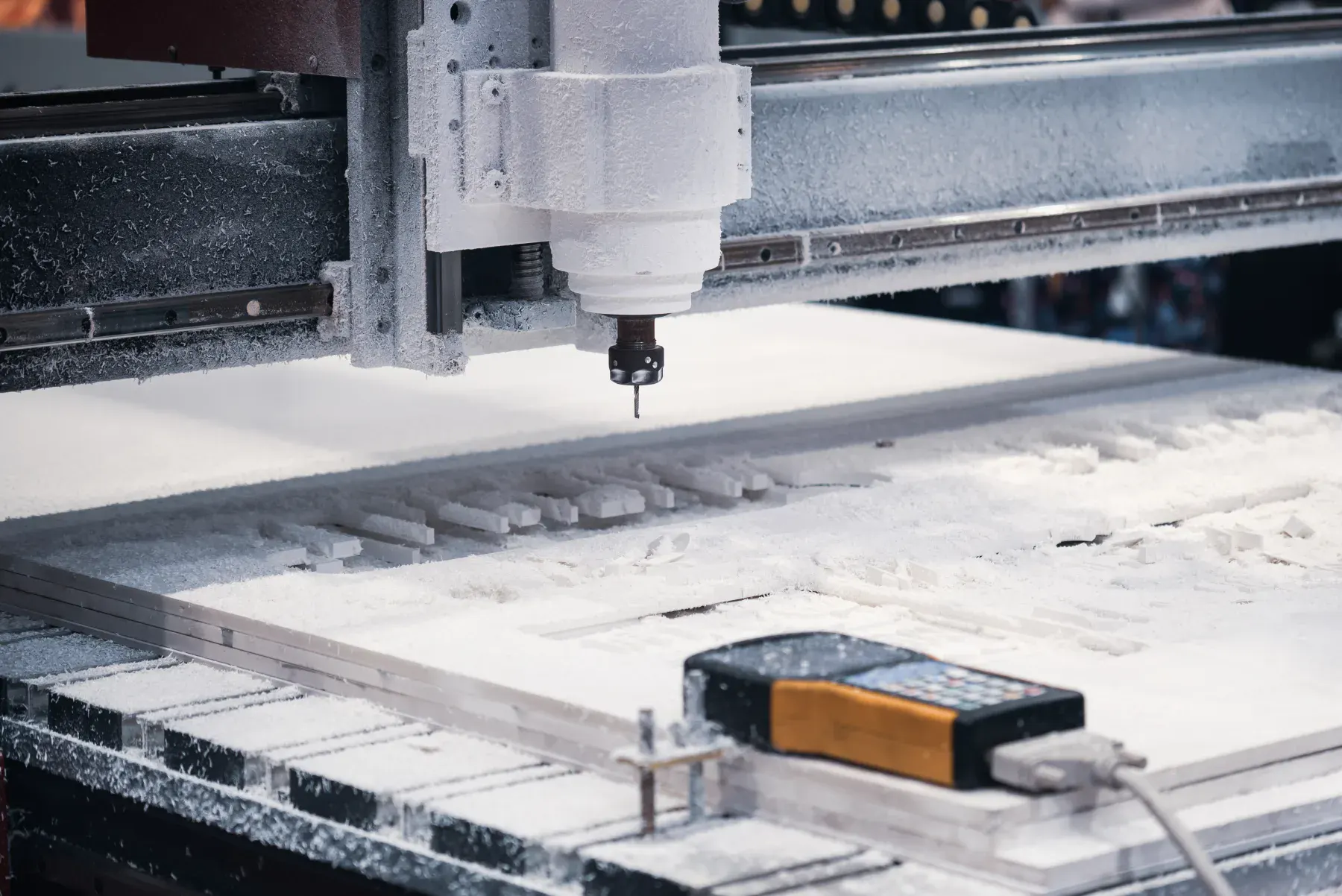
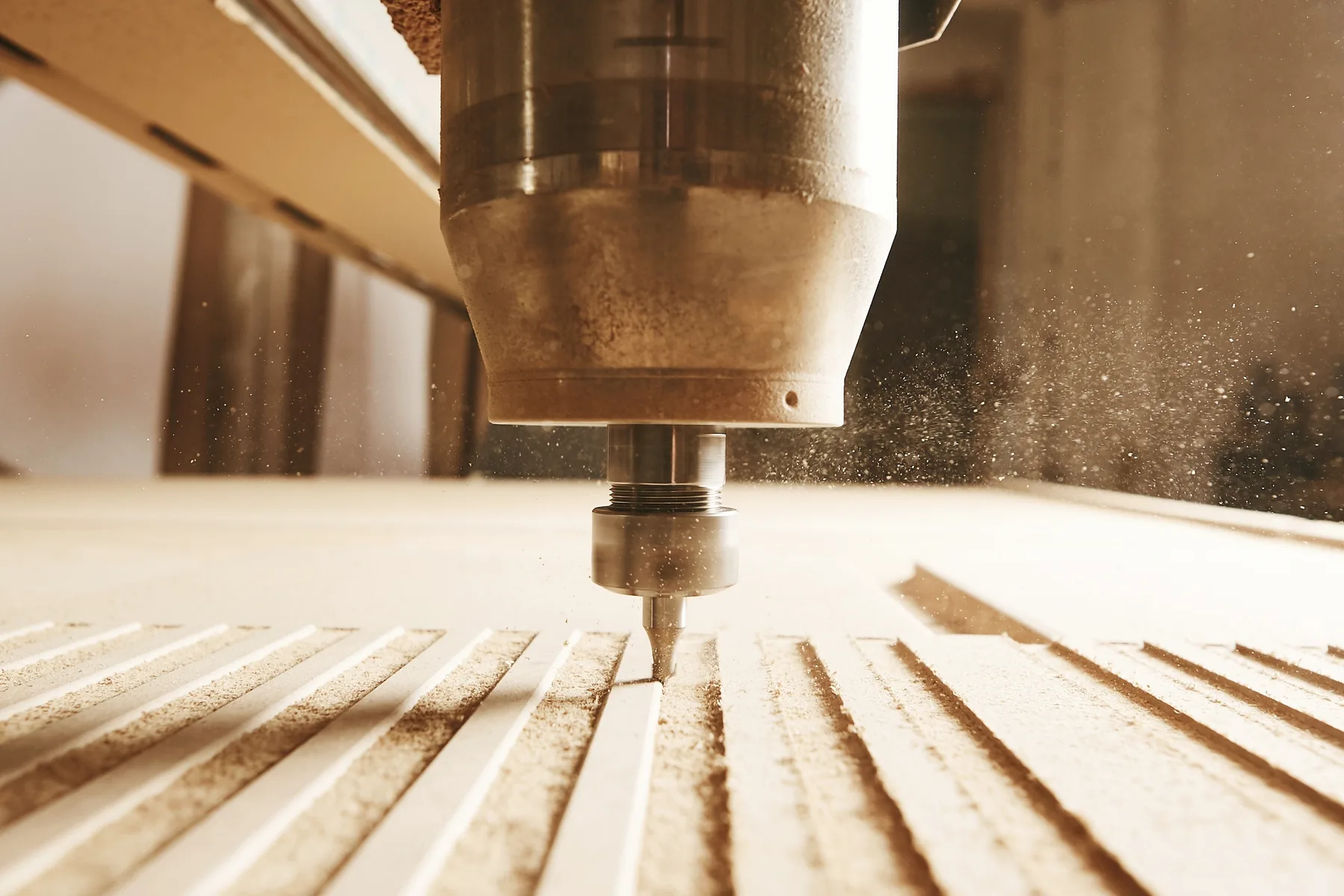
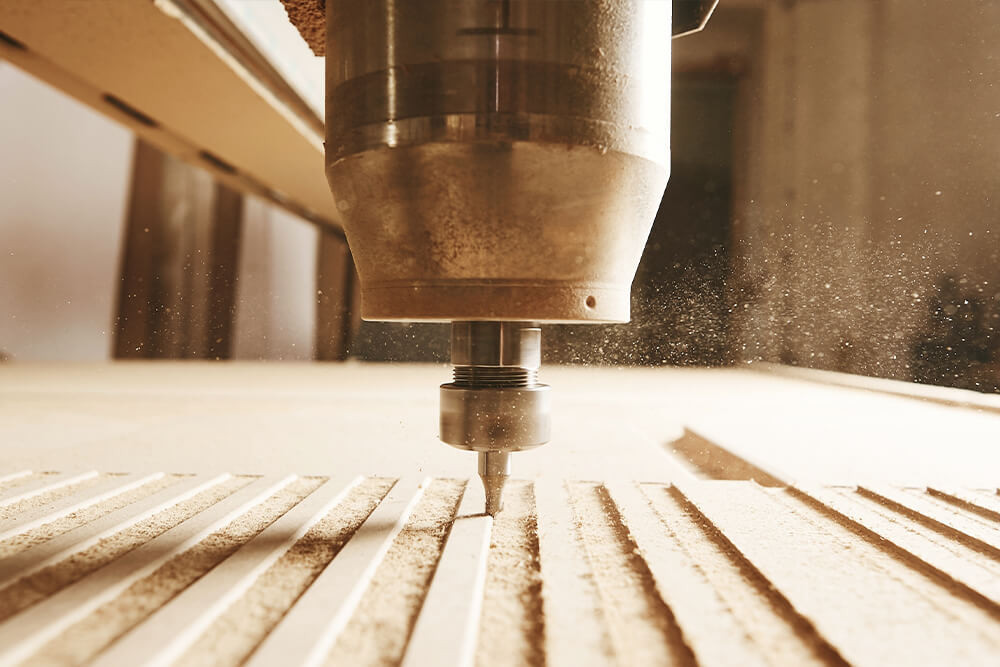
CNC router cutting is the practical workhorse for sheet materials that need tool-based machining instead of laser cutting. It suits ACM, HDPE, PVC foamboard, MDF, plywood, timber, composite panels and selected aluminium work.
For sign shops, shopfitters, fabricators and industrial buyers, CNC routing handles the jobs where tooling, fold lines, internal radii and material behaviour matter more than heat-cut speed.
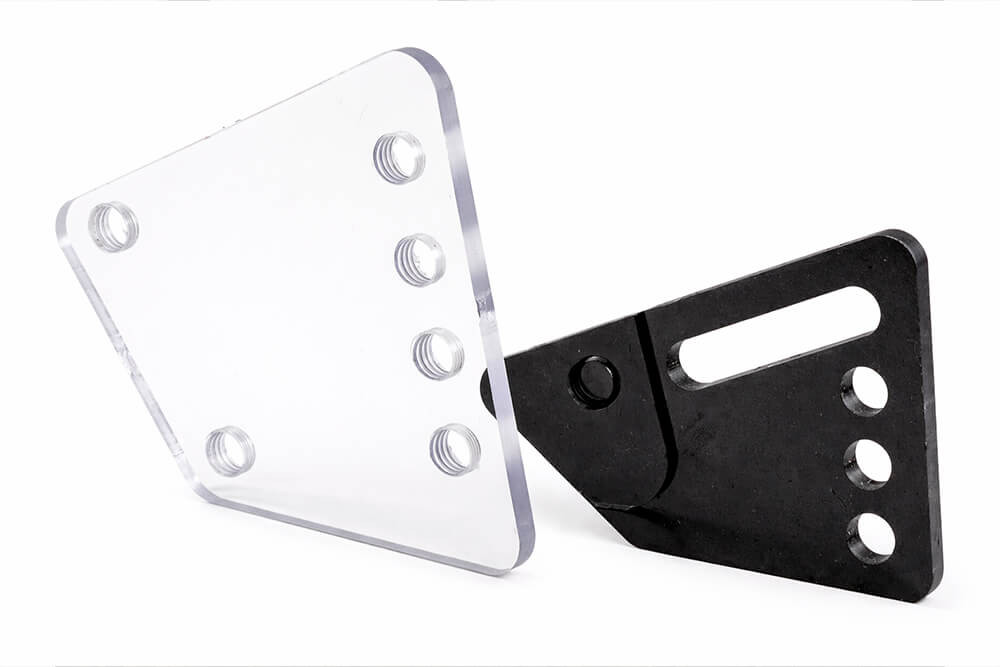
Router jobs often involve more than a simple profile: pockets, drilling, rebates, V-grooves, tabs, onion-skinning and hold-down strategy can all change how a job should be priced and produced.
Technical quoting detail
These details make the page clearer for search intent and for trade buyers deciding whether their sheet metal job is suitable for instant pricing or should be reviewed first.
Real workshop photos
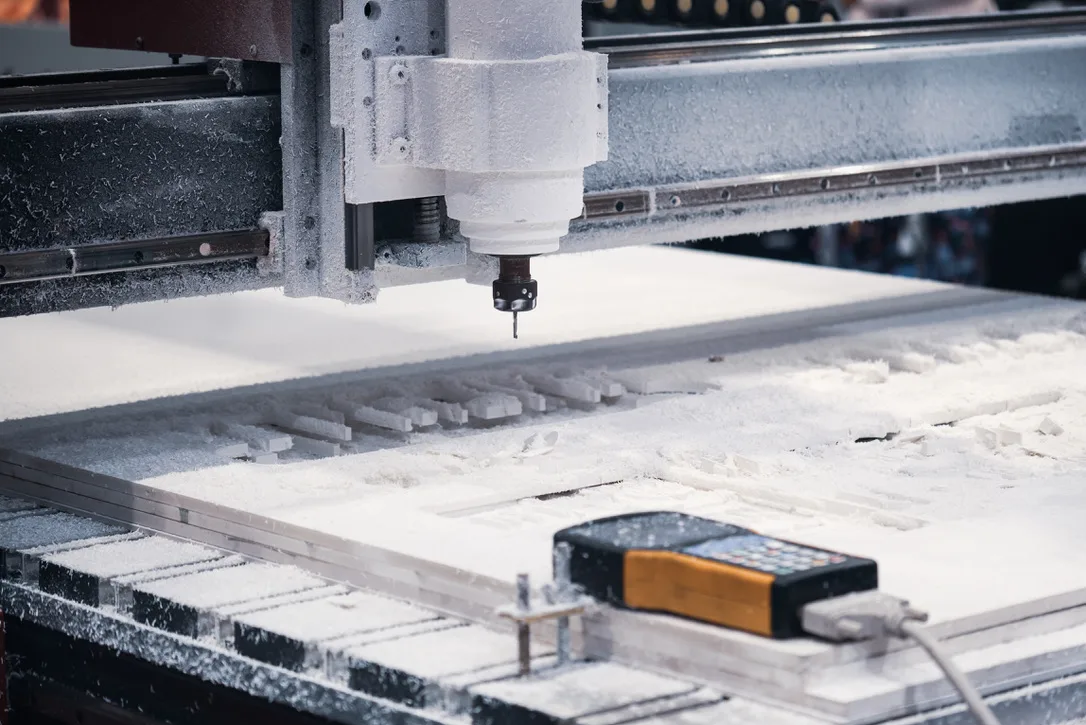
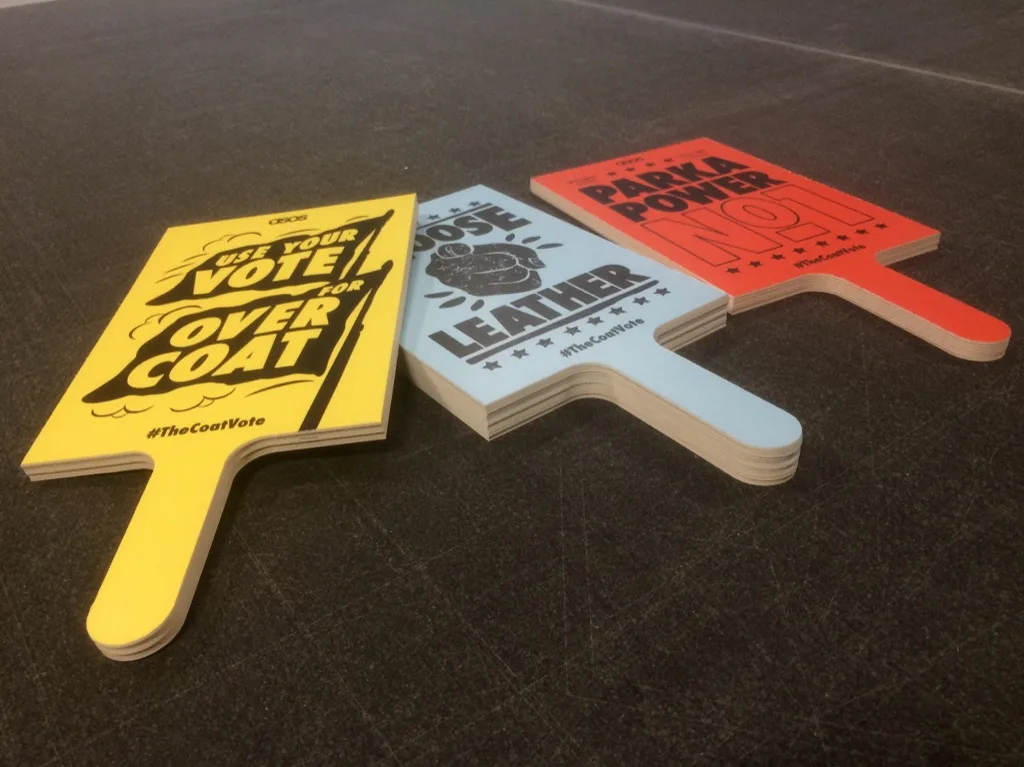
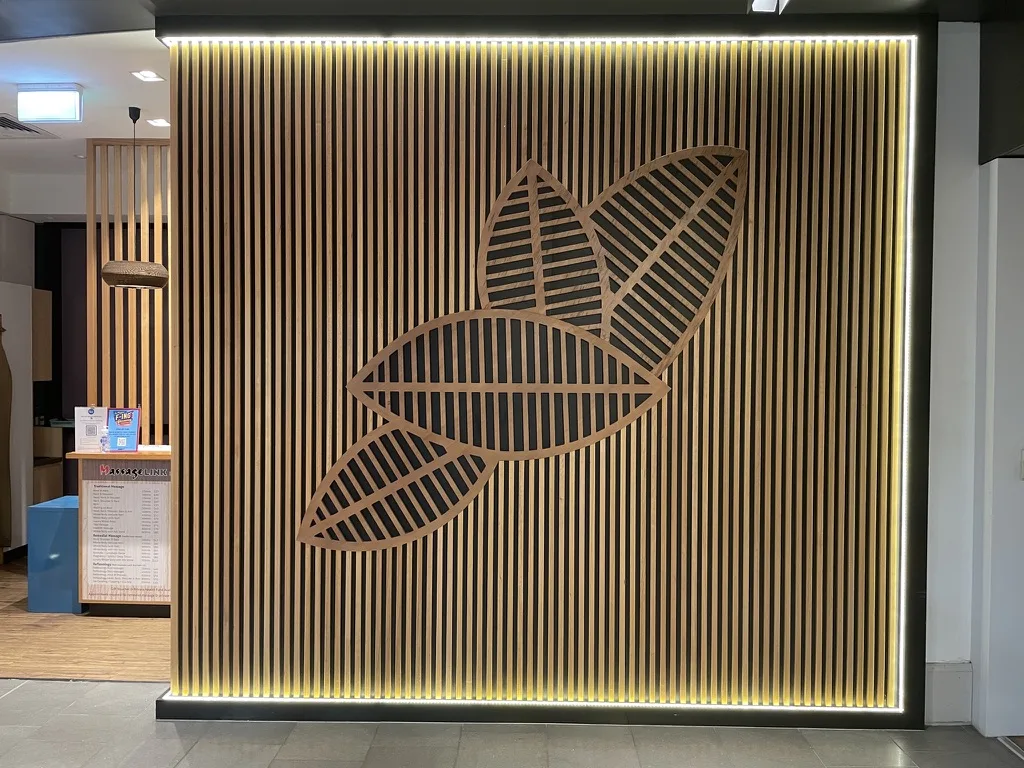
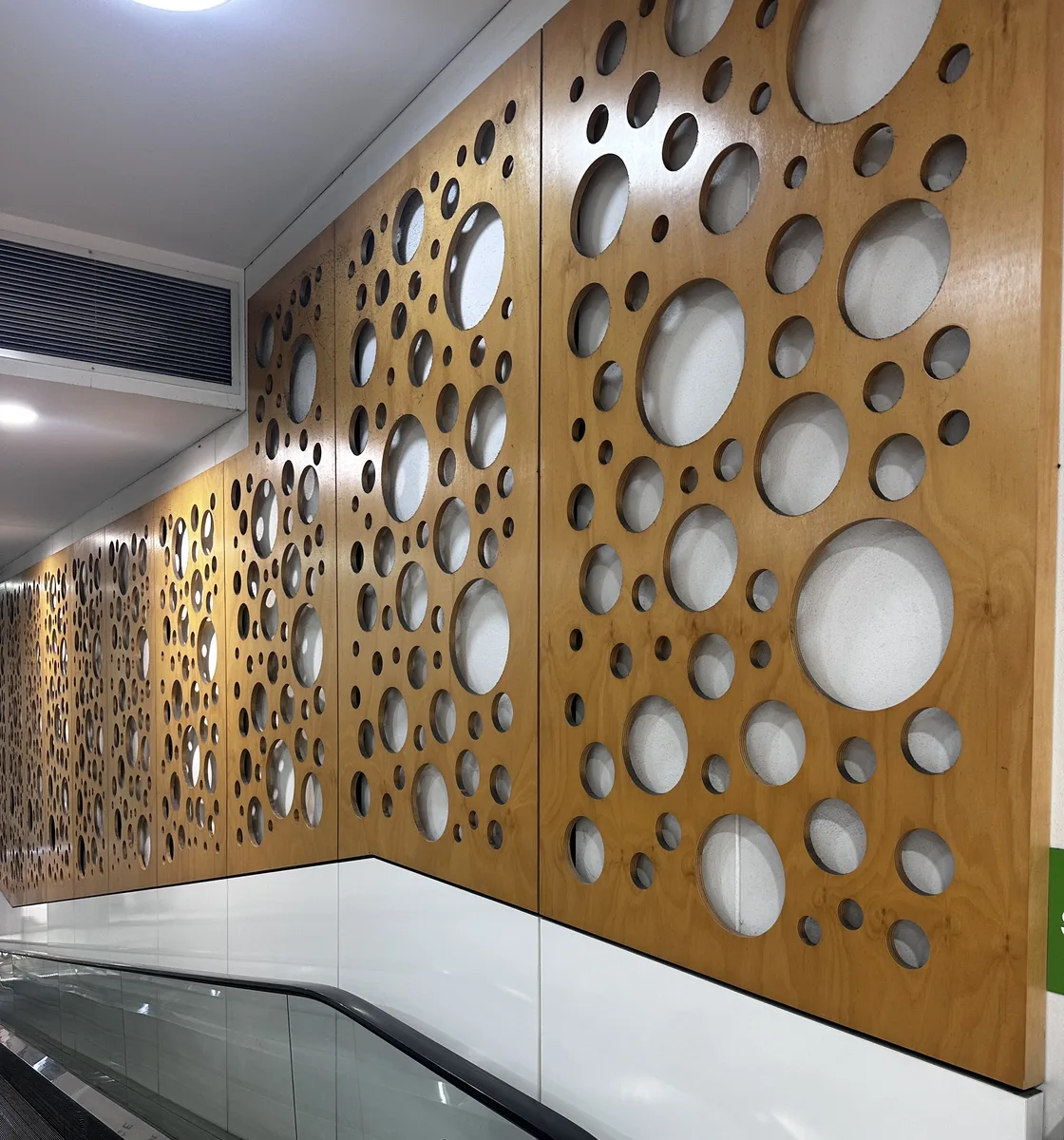
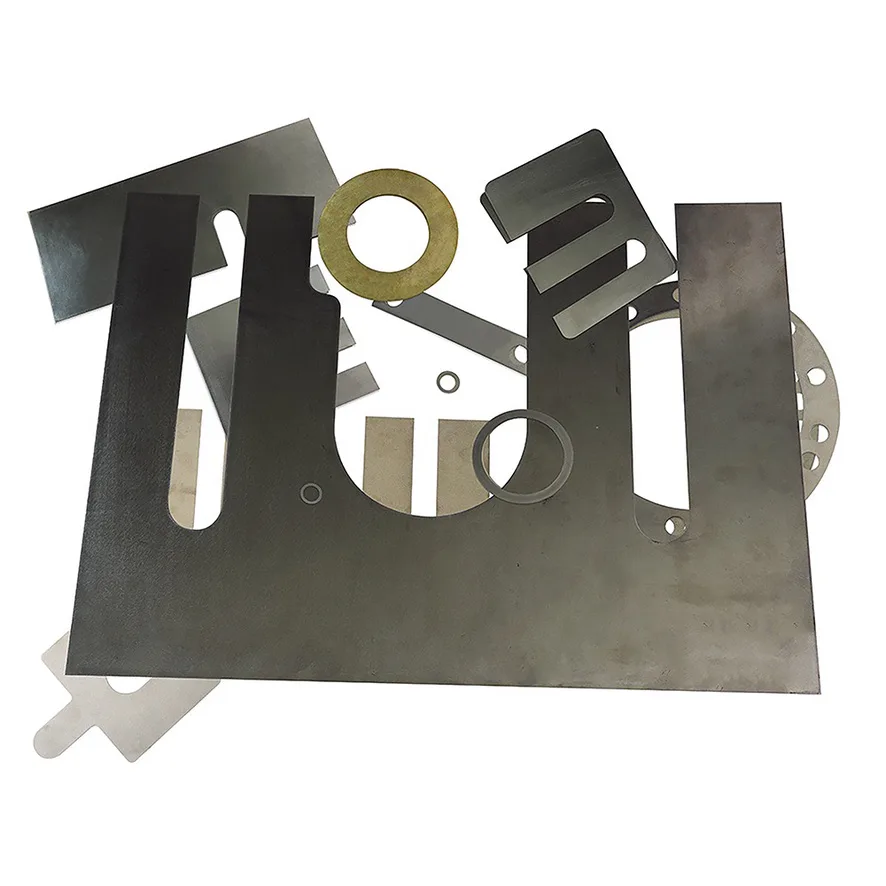
CNC router work across sheet plastics, panels, boards and routed signage components, showing real workshop process and finished production parts.
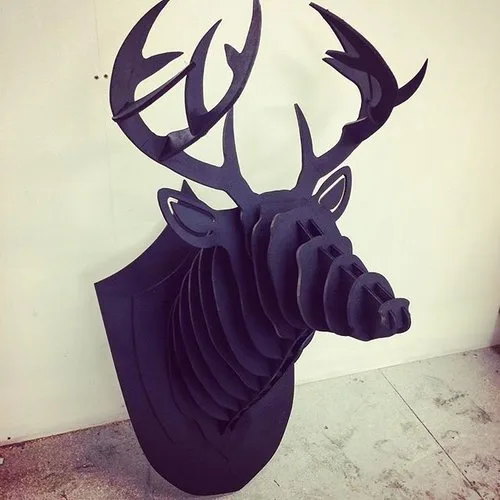
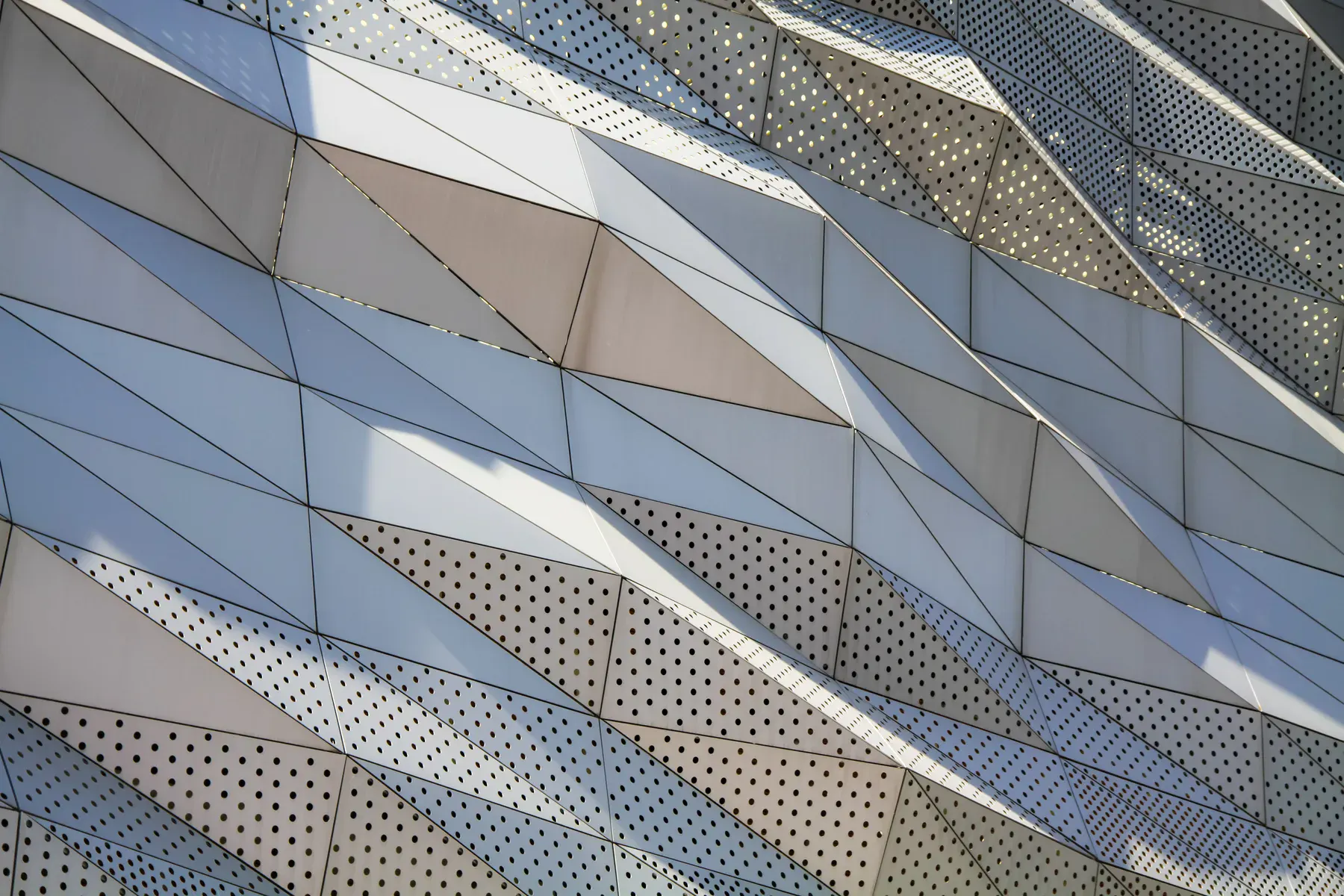
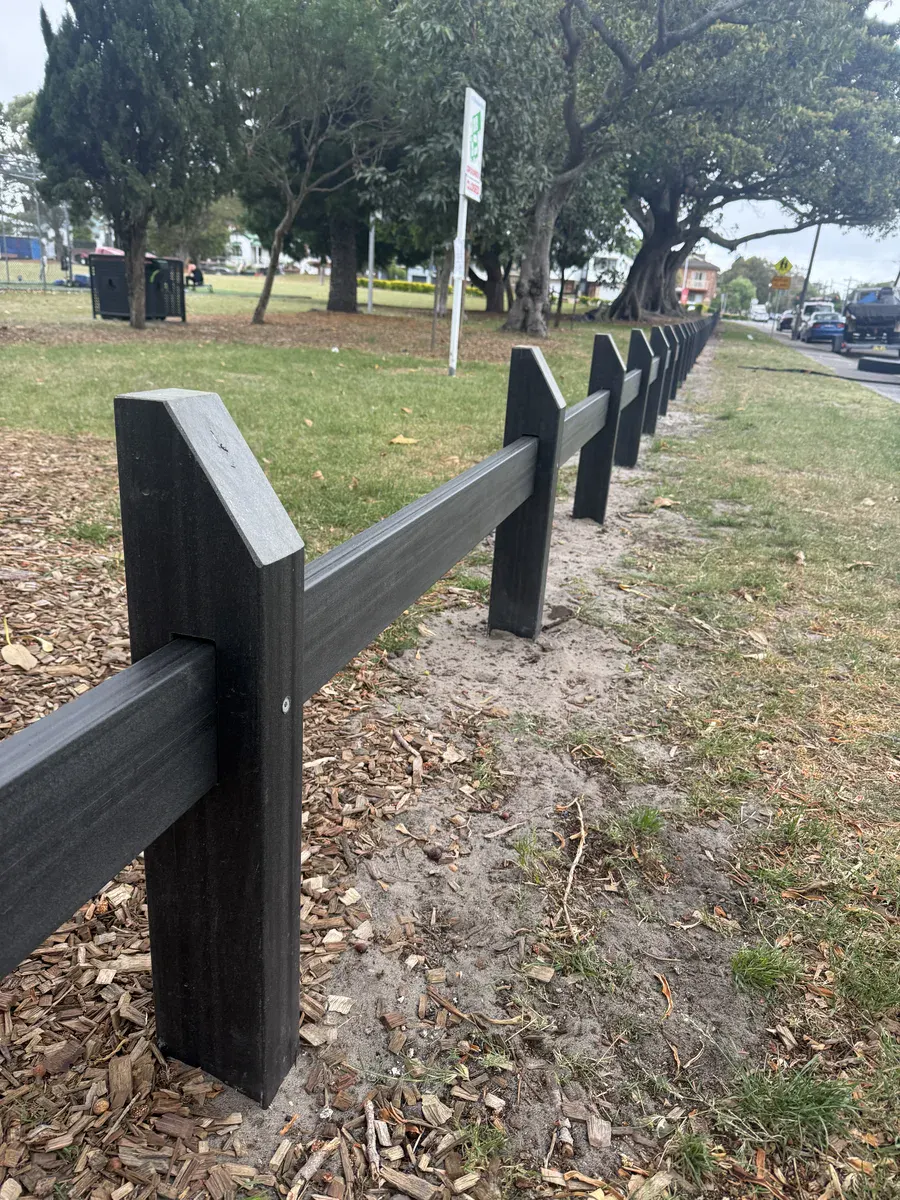
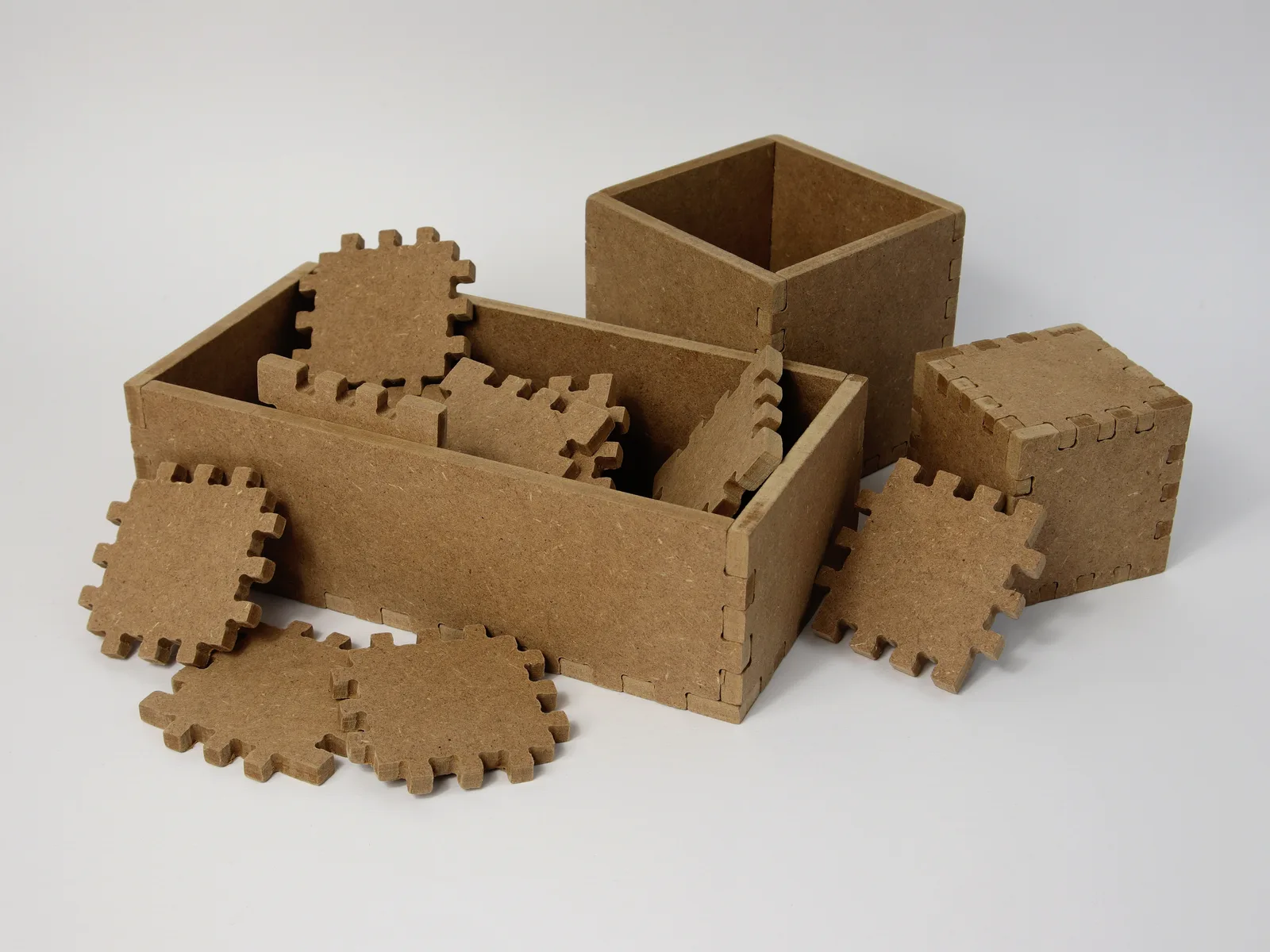
Best-fit work
These pages are written for trade customers, fabricators, sign shops, procurement teams and production buyers who need clarity before sending files.
V-grooved ACM panels, folded sign trays and clean shopfront components.
HDPE, PVC foamboard, acrylic, polycarbonate and composite sheets that need routed edges.
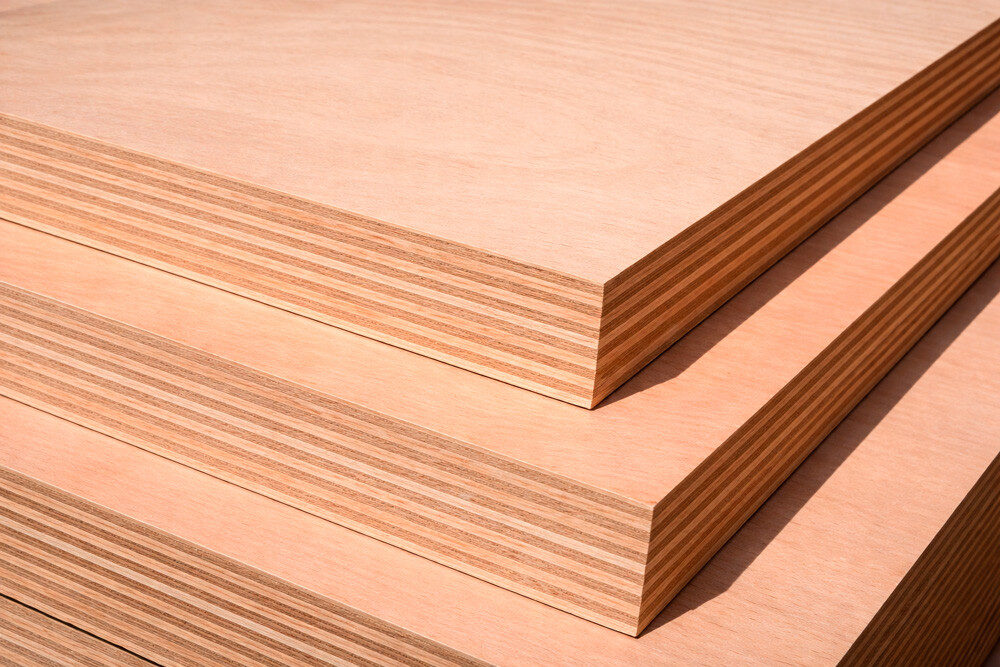
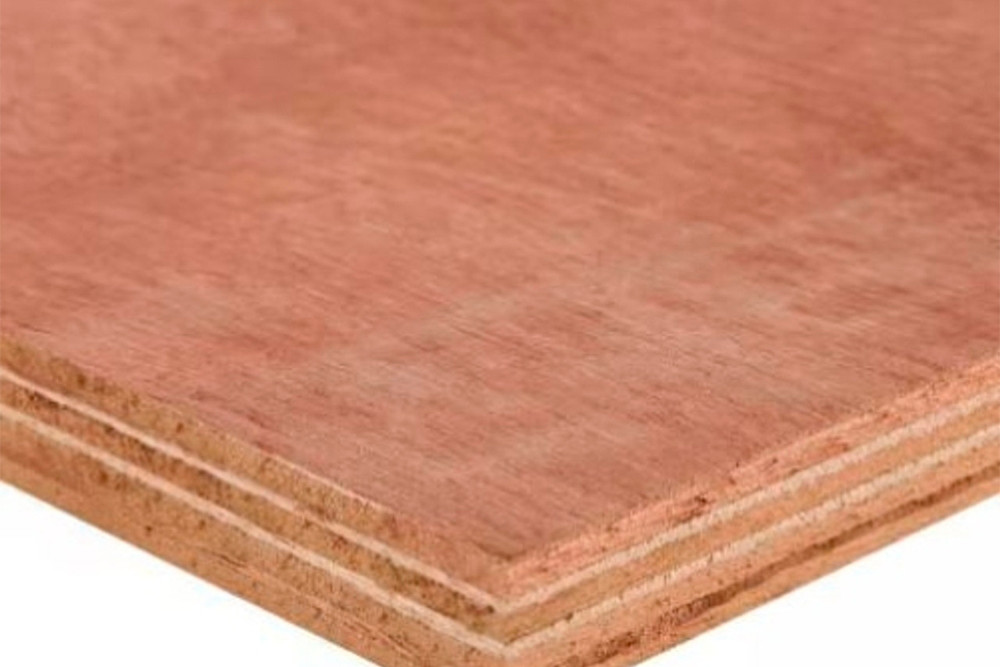
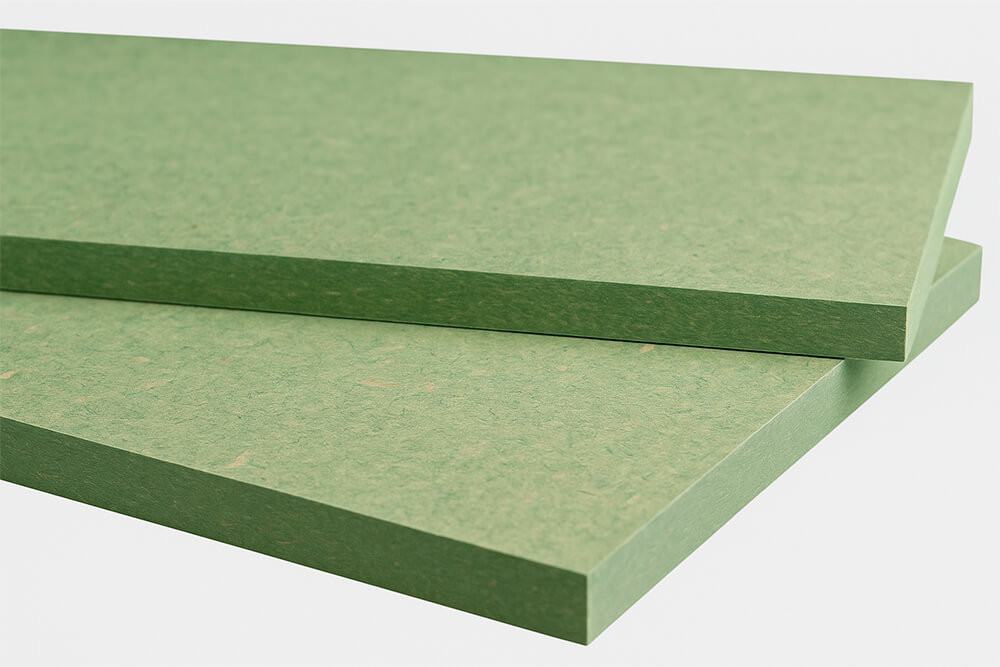
MDF, plywood, templates, jigs and interior panels cut from production drawings.
Material fit
The fastest quote is still the correct quote. Material, thickness, edge expectation and finishing notes determine whether the job should price instantly or be reviewed first.
Best routed rather than laser cut, especially for V-groove folds and clean panel fabrication.
Strong fit for industrial parts, templates and durable plastic components.
Useful for joinery, displays, templates and interior panels.
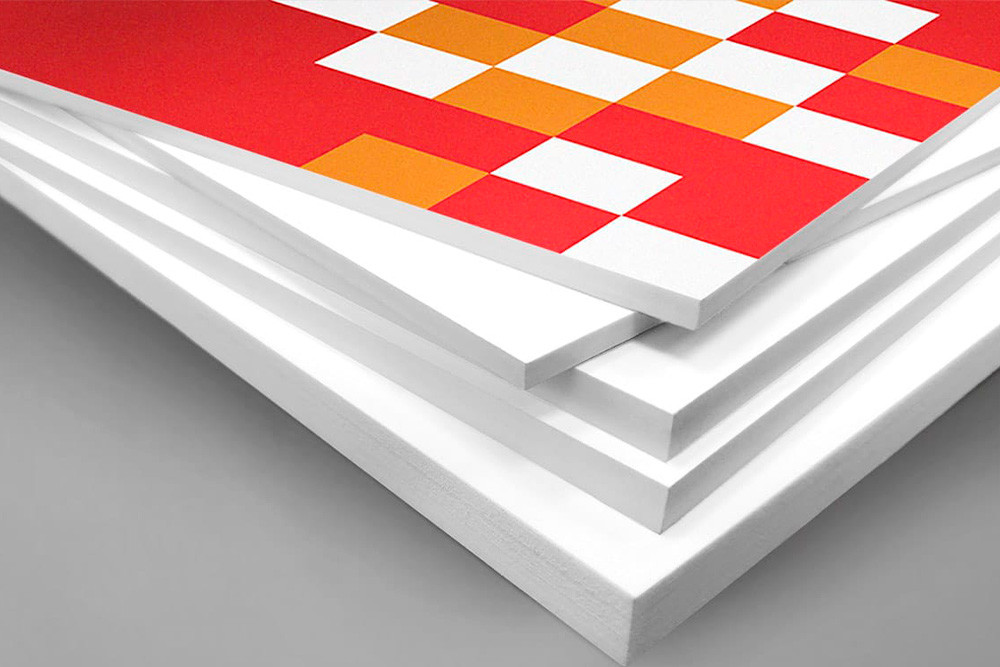
A signage and display material that should be routed or knife cut rather than CO2 laser cut.
File rules
A cut-ready file contains actual vector paths the machine can follow. It is not simply a picture placed into a PDF. This distinction is important because the calculator reads cutting geometry, not visual artwork.
If a JPEG, phone photo or screenshot is saved as a PDF, it still cannot be priced as a cutting file. Send that through review so we can advise on file prep.
Not ready yet?
If the job includes photos, sketches, mixed services, unclear material, finishing, fabrication, painting, welding, 3D printing, installation context or production advice, send the brief through contact instead.
Workflow
DXF, DWG or vector PDF files should show the outer profile, holes and any routing layers.
Through-cut, pocket, drill, rebate and V-groove operations need clear layer naming.
Tool diameter, internal radii, hold-down and tabs are checked before production.
Panels are machined, cleaned and packed for assembly, pickup or delivery.
Quote path
The calculator is the fastest path for clean cutting files. For mixed services, unclear geometry, specialist materials or finish-critical work, the reviewed quote path keeps the job accurate before production starts.
The part needs V-groove folding, pocketing, rebates, countersinks or multiple tools.
Internal corners are smaller than the router bit can physically cut.
The sheet is customer-supplied, bowed, film-coated or needs a specific face orientation.
The job needs assembly, fabrication, painting, printing or installation context.
Related materials
Common questions
Simple profile routing can often be priced quickly, but V-grooves, pockets, rebates, drilling patterns and multi-tool jobs usually need review.
Yes. ACM is usually better routed than laser cut, especially for V-groove folds, sign trays and clean panel fabrication.
DXF, DWG or vector PDF files work best when they contain real geometry at the correct scale. Routing operations should be clearly separated by layer or notes.
Some materials cut better with a physical tool. ACM, PVC foamboard, HDPE and many boards are usually better suited to routing or knife cutting than laser cutting.
One-off parts, prototypes and repeat production runs can all be quoted. Very small jobs still need setup time, so uploading a clean file is the fastest way to see whether the price works.
Yes. CO2 laser engraving is available for compatible materials such as acrylic and timber, and some jobs can also use marking, printing or finishing depending on the material.
Yes. Fiber laser cutting is used for sheet metals including mild steel, stainless steel, aluminium, brass, copper, Colorbond and Corten steel where the material and thickness are suitable.
Ready file
Upload DXF, DWG or vector PDF files with actual cut paths, or send complex jobs through the reviewed quote path.