Acrylic signage
Display-grade acrylic letters, panels, covers, lightbox faces and branded components.
Plastics, timber and engraving
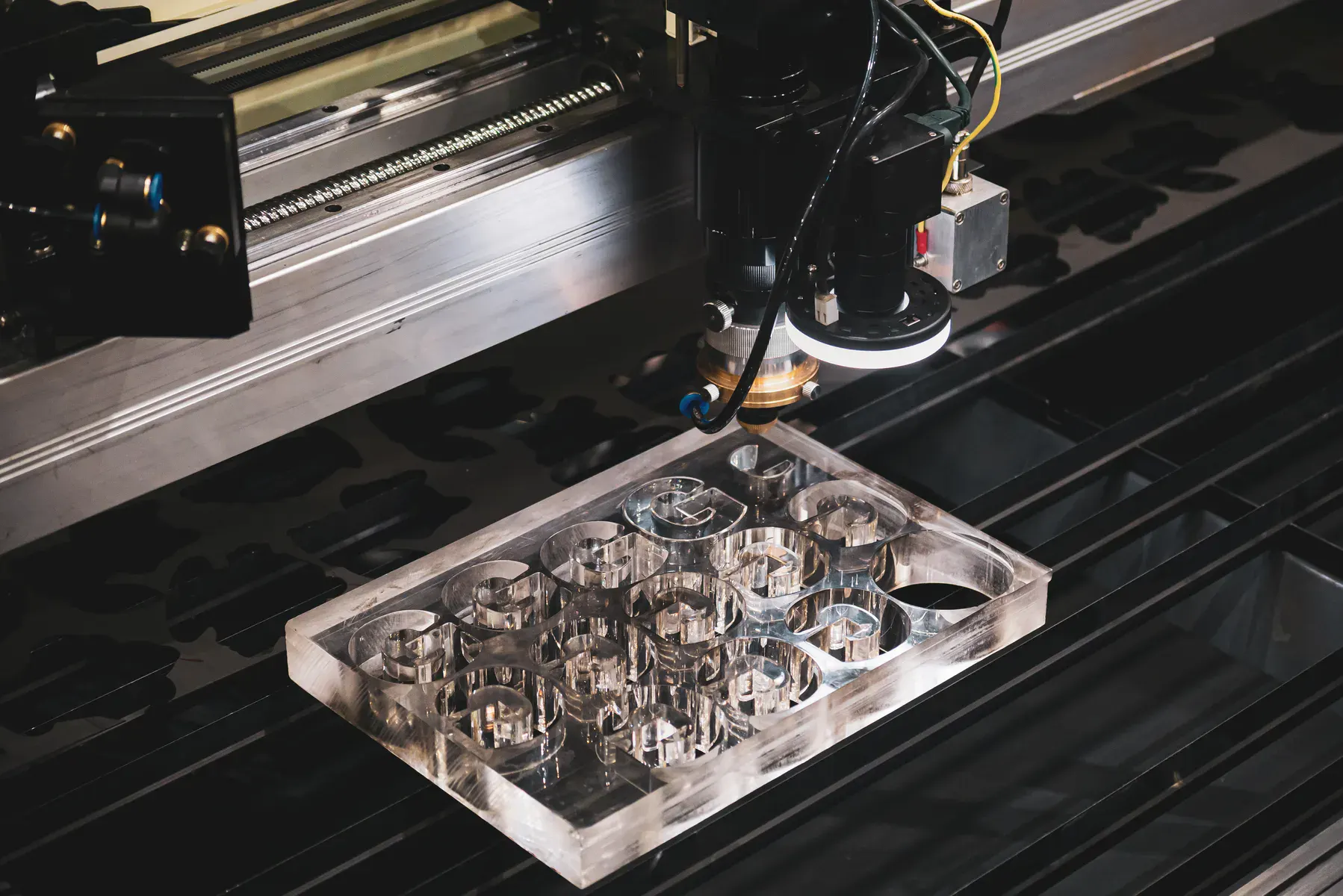
Large-format CO2 laser cutting and engraving for acrylic, timber sheet, MDF, selected plastics and display-grade components up to a 3000 x 1500 mm working area where setup allows.
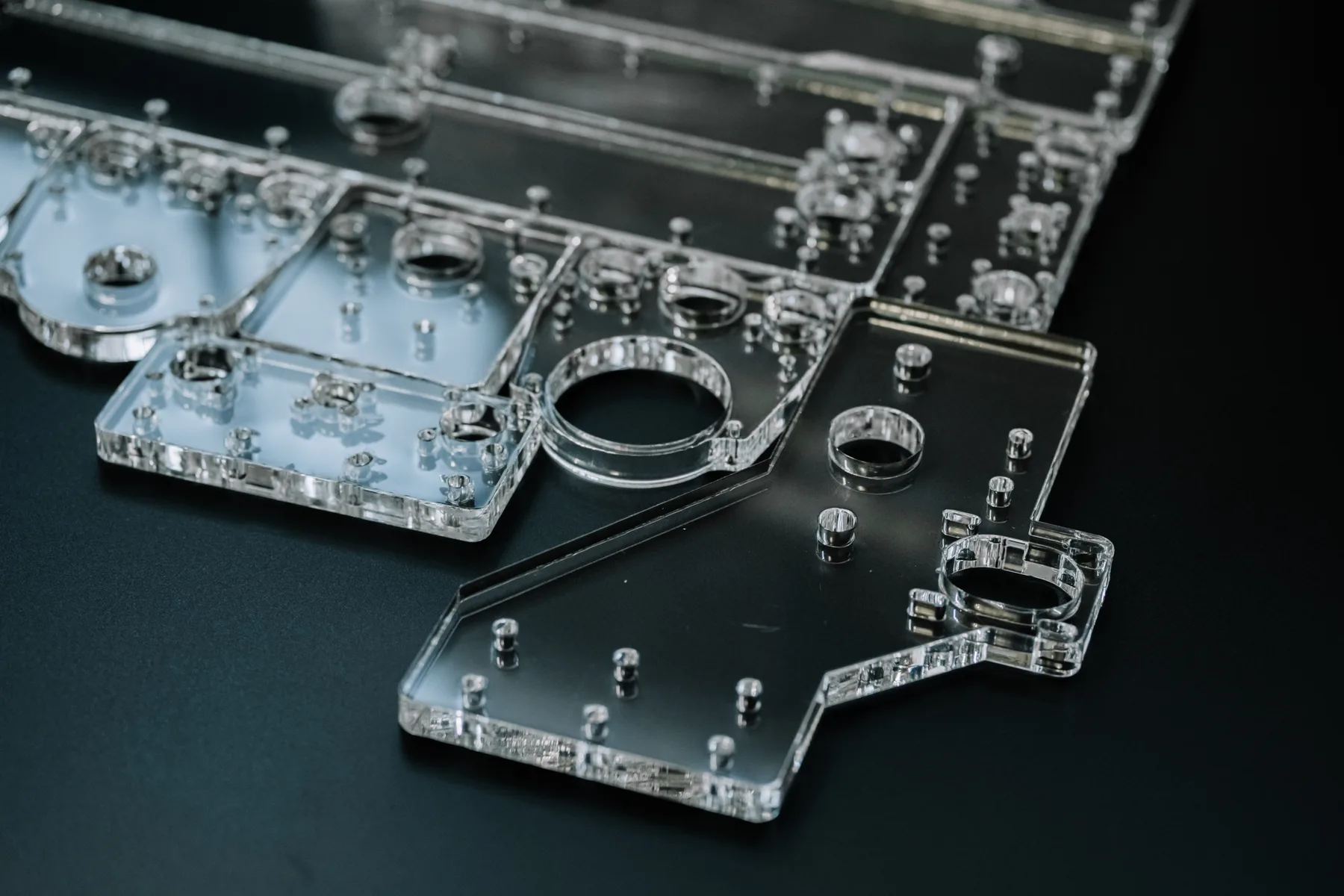
Service detail
CO2 laser cutting is the right path for many plastics, acrylics, timber sheets and engraved display components. It is especially valuable for signage and display work where detail, edge quality and presentation matter.
For trade buyers, sign shops and display producers, the benefit is speed with presentation quality: clean acrylic profiles, controlled engraving and large-format sheet capability when the file is actually production-ready.
The corrected working reference is a 3000 x 1500 mm CO2 cutting area. That does not mean every material or thickness is automatically suitable, but it does mean full-sheet acrylic and display jobs can be assessed properly.
Technical quoting detail
These details make the page clearer for search intent and for trade buyers deciding whether their sheet metal job is suitable for instant pricing or should be reviewed first.
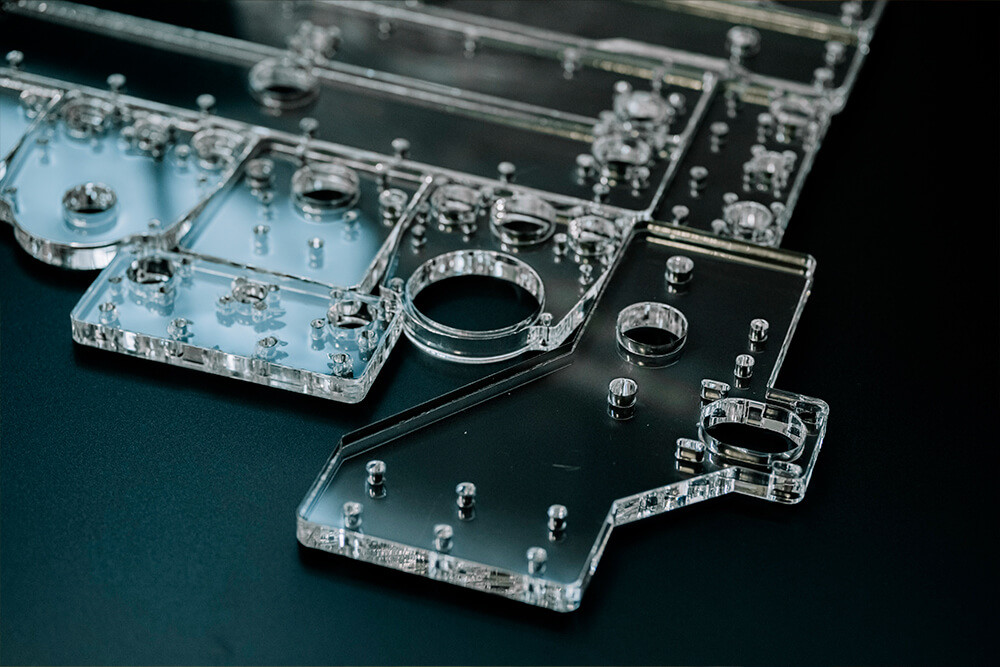
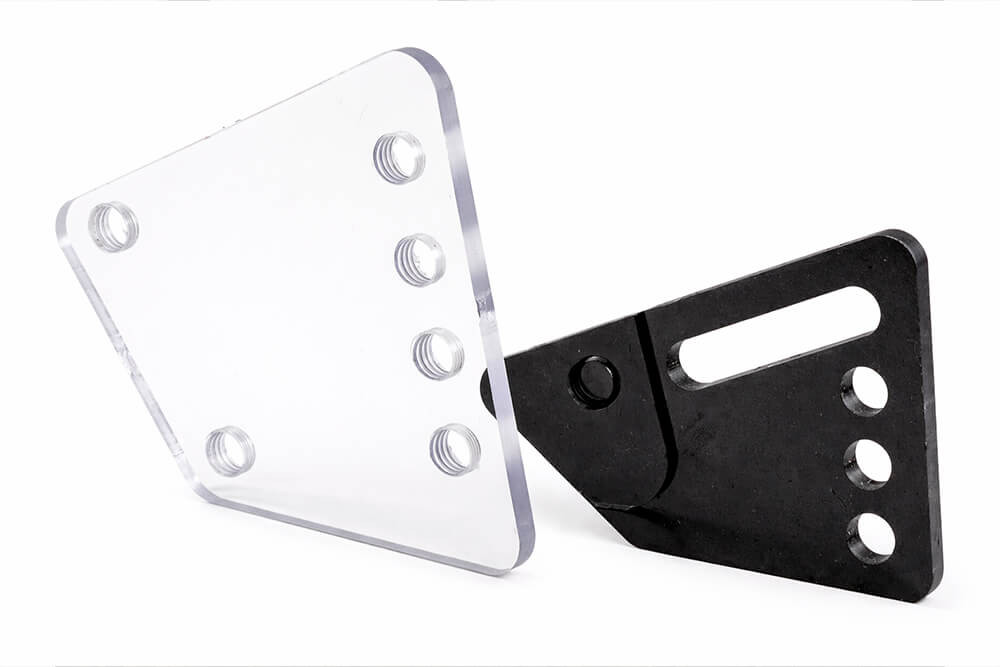
Real workshop photos
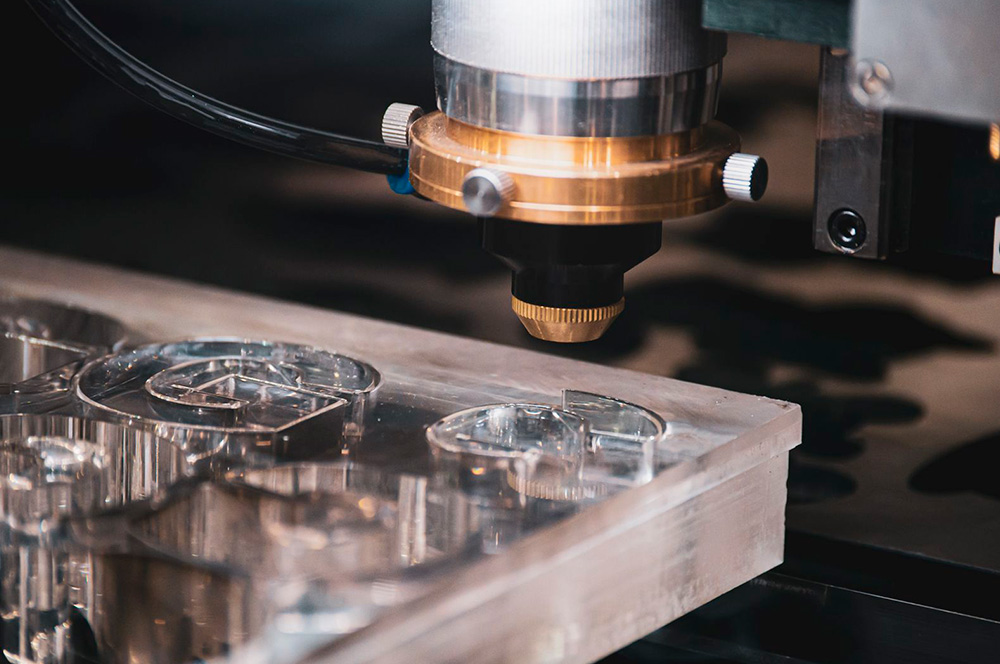
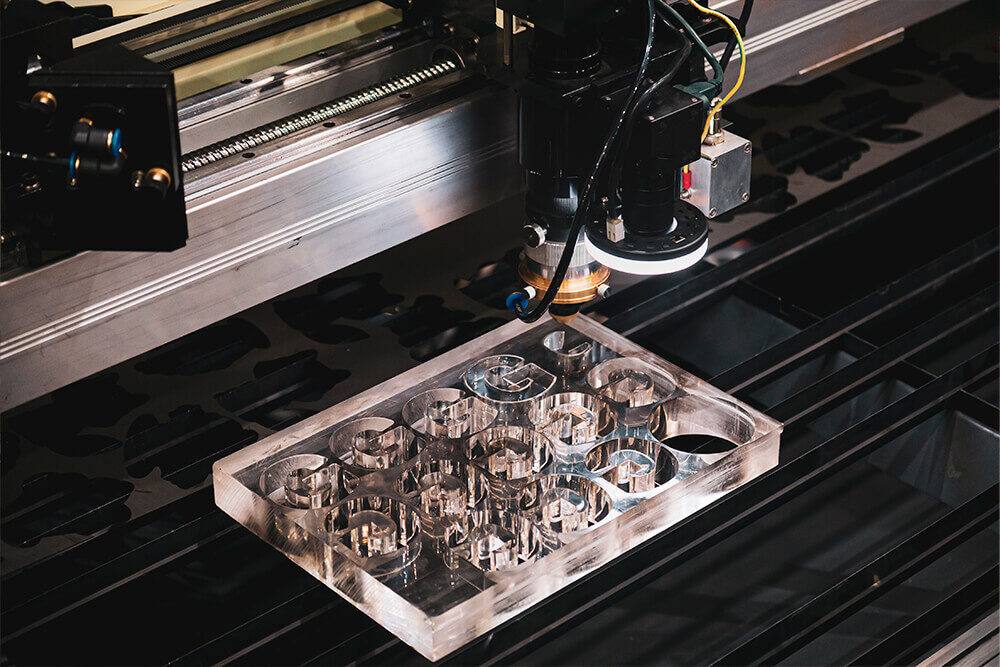
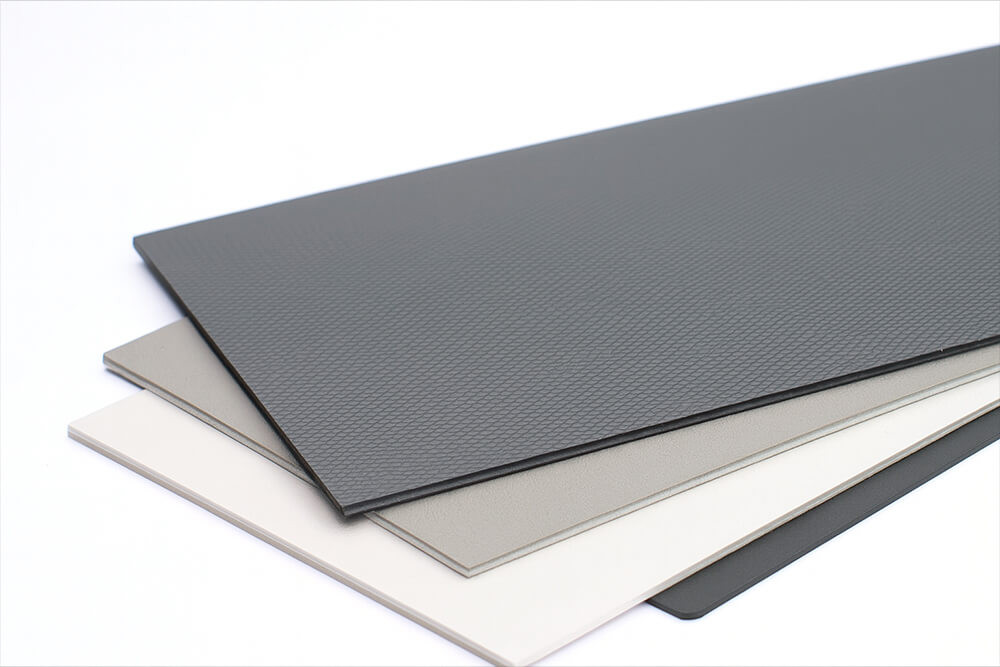
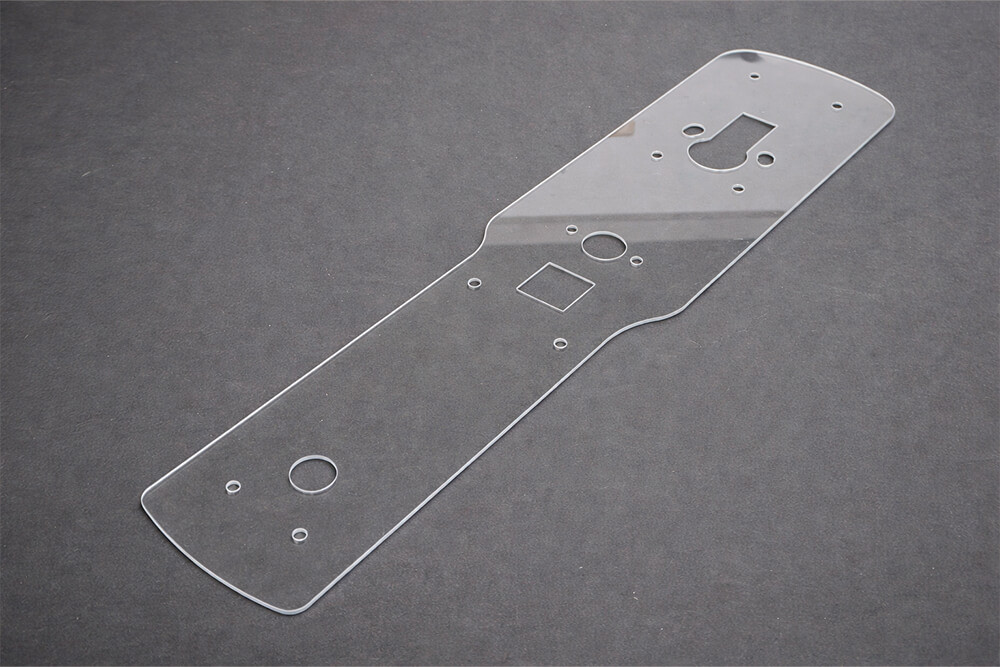
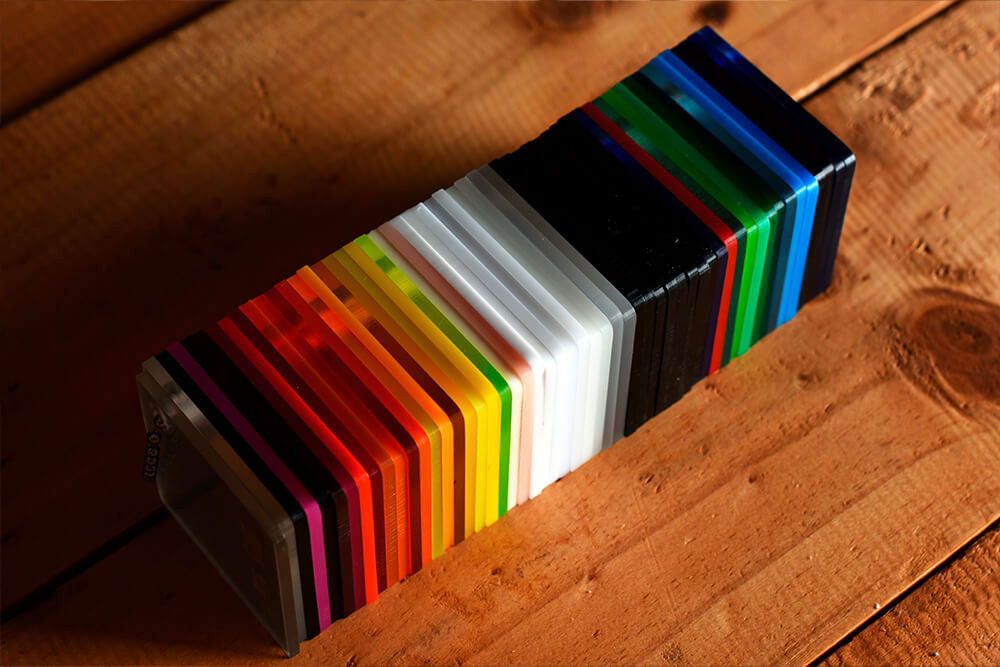
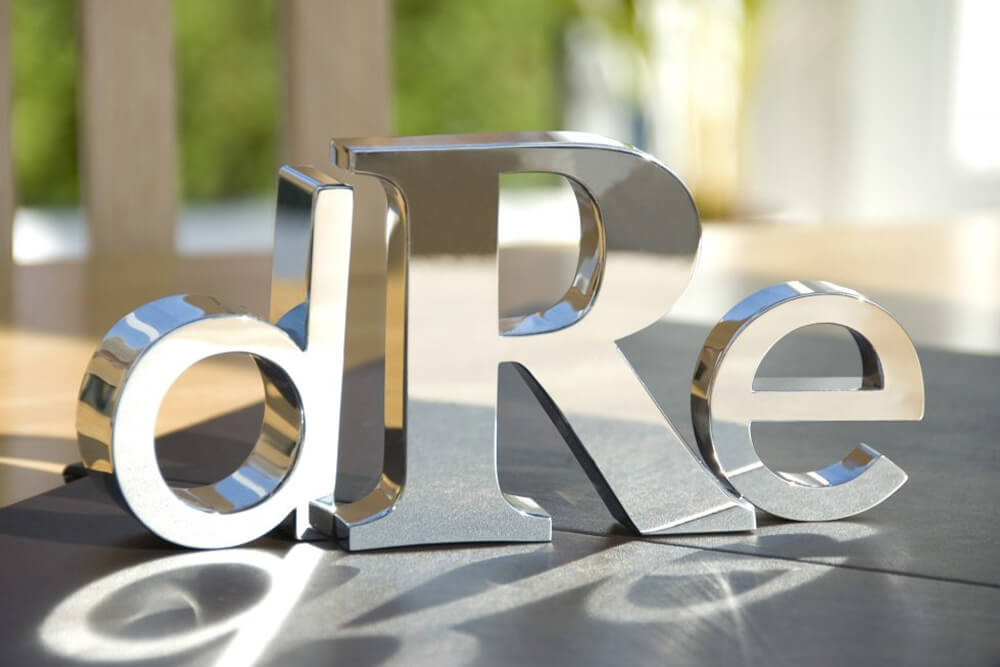
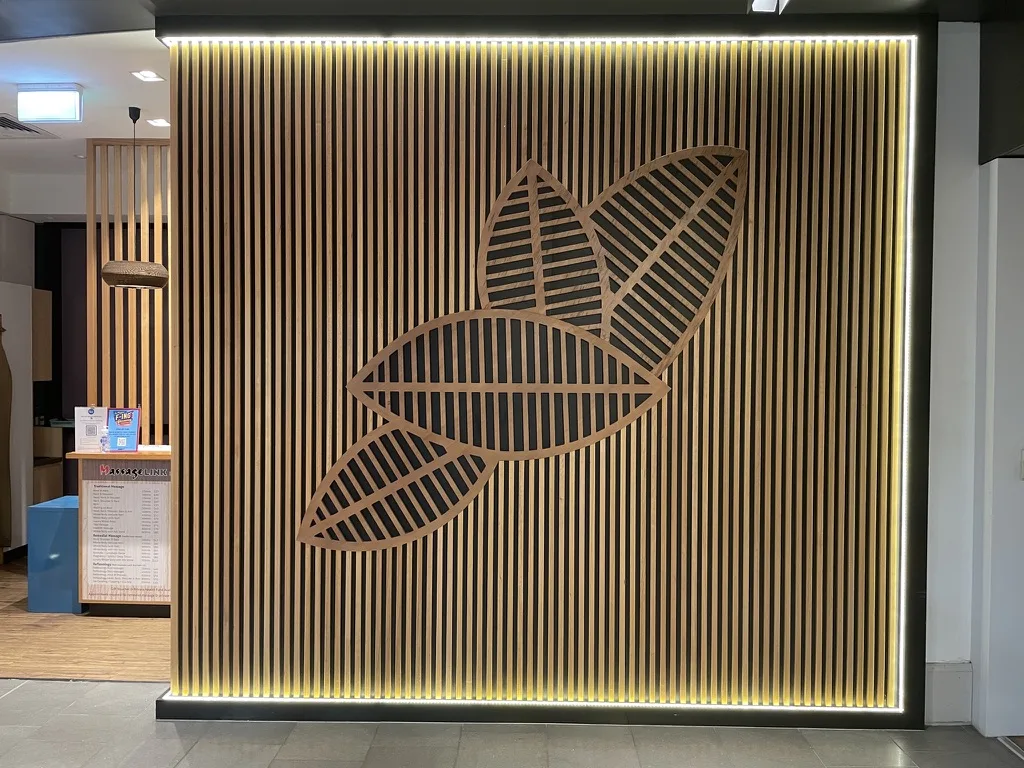
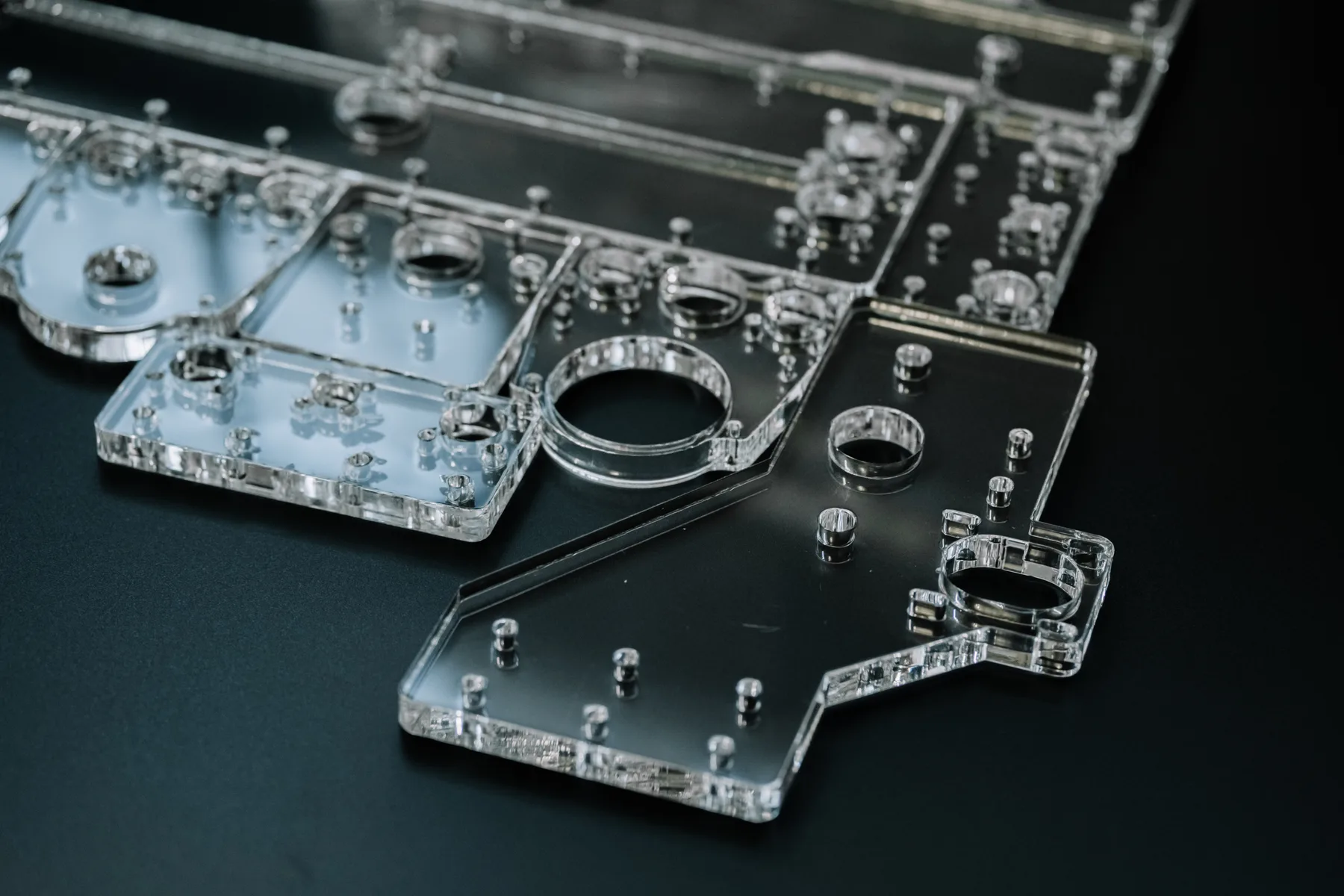
CO2 laser work across acrylic, display materials and large-format sheet processing, with photos selected to show clean edges and practical production output.
Best-fit work
These pages are written for trade customers, fabricators, sign shops, procurement teams and production buyers who need clarity before sending files.
Display-grade acrylic letters, panels, covers, lightbox faces and branded components.
Templates, decorative sheet parts, models and small-format timber components.
Acrylic and timber engraving where artwork layers, depth and finish expectations need to be clear.
Material fit
The fastest quote is still the correct quote. Material, thickness, edge expectation and finishing notes determine whether the job should price instantly or be reviewed first.
A core CO2 material for signage, displays, templates and polished-looking parts.
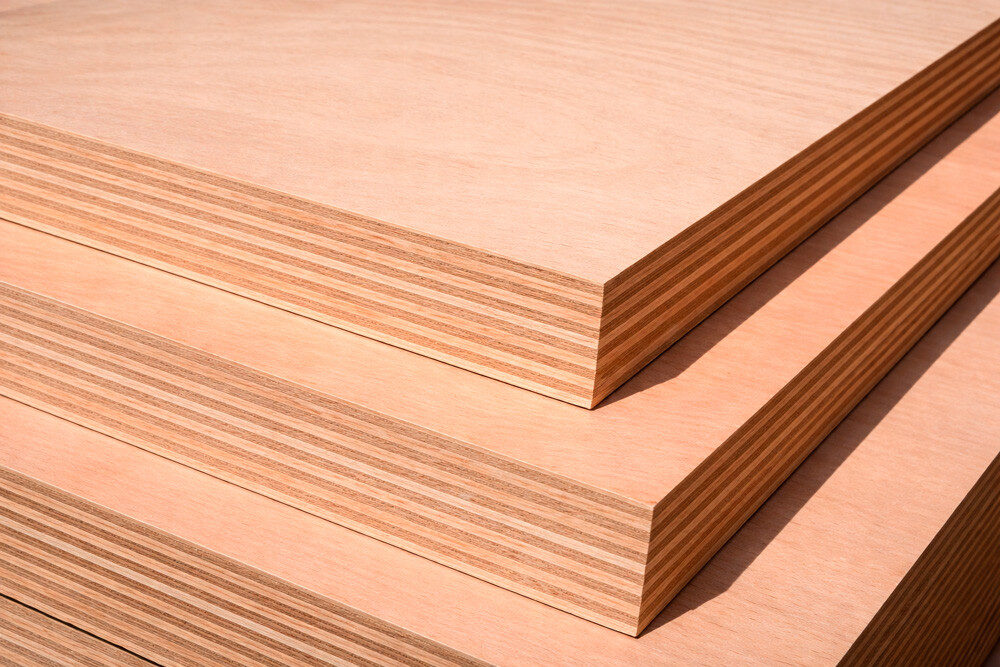
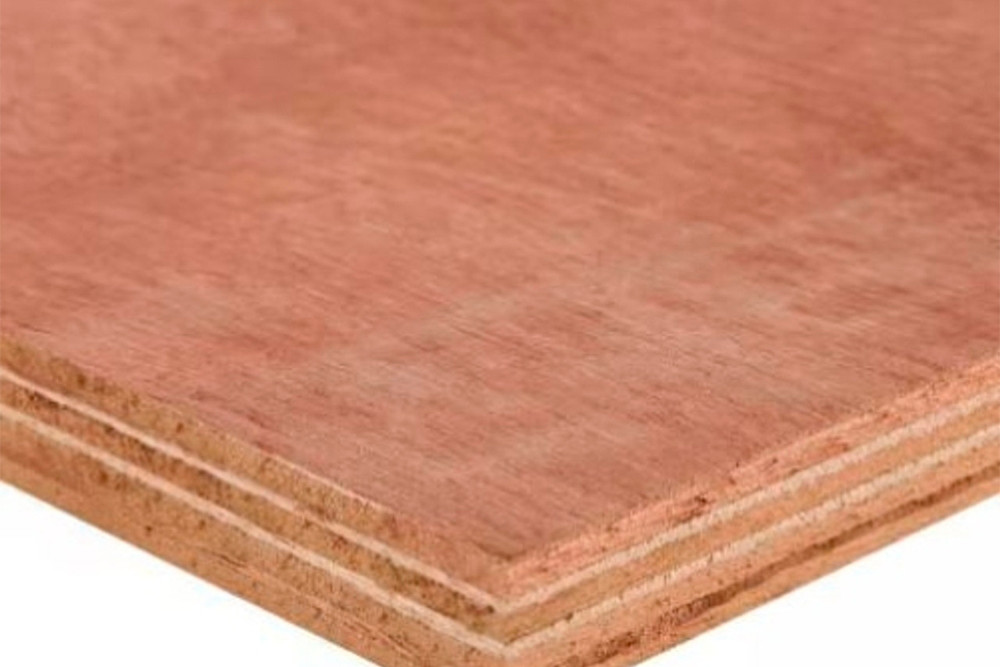
Good for models, fixtures, templates and interior/display components when edge darkening is acceptable.
Material suitability varies by thickness, finish and edge expectations.
Not suitable for CO2 laser cutting. These should move to CNC router or digital knife where appropriate.
File rules
A cut-ready file contains actual vector paths the machine can follow. It is not simply a picture placed into a PDF. This distinction is important because the calculator reads cutting geometry, not visual artwork.
If a JPEG, phone photo or screenshot is saved as a PDF, it still cannot be priced as a cutting file. Send that through review so we can advise on file prep.
Not ready yet?
If the job includes photos, sketches, mixed services, unclear material, finishing, fabrication, painting, welding, 3D printing, installation context or production advice, send the brief through contact instead.
Workflow
Use DXF, DWG or vector PDF files with separate cut and engrave layers where needed.
Select the sheet type and thickness so the process can be matched correctly.
Raster engraving, score lines or mixed operations should be clearly named in the file or notes.
Parts are processed, checked and packed to protect faces, edges and small details.
Quote path
The calculator is the fastest path for clean cutting files. For mixed services, unclear geometry, specialist materials or finish-critical work, the reviewed quote path keeps the job accurate before production starts.
The PDF is only a placed image instead of vector cut paths.
The job includes engraving depth, raster artwork, filled graphics or unclear line colours.
The material is unknown, PVC/vinyl-based, supplied by the customer or finish-critical.
The job needs flame polishing, bonding, assembly, printing or tight visual matching.
Related materials
Common questions
Yes, suitable CO2 laser cutting files can move through instant pricing when the file has real DXF, DWG or vector PDF cut lines and the selected material is compatible.
Yes, the current production reference is 3000 x 1500 mm for suitable CO2 work, subject to material, thickness and setup.
Yes. Engraving can be included when the file clearly separates cut paths, score lines and engraving artwork. Jobs with unclear engraving depth or artwork should be reviewed.
No. PVC and vinyl are not suitable for CO2 laser cutting. Those jobs should be reviewed for digital knife or CNC router production.
One-off parts, prototypes and repeat production runs can all be quoted. Very small jobs still need setup time, so uploading a clean file is the fastest way to see whether the price works.
Yes. CO2 laser engraving is available for compatible materials such as acrylic and timber, and some jobs can also use marking, printing or finishing depending on the material.
Yes. Fiber laser cutting is used for sheet metals including mild steel, stainless steel, aluminium, brass, copper, Colorbond and Corten steel where the material and thickness are suitable.
Ready file
Upload DXF, DWG or vector PDF files with actual cut paths, or send complex jobs through the reviewed quote path.