
Local team, real machinery and pickup options for Sydney buyers, with freight support for suitable jobs.
Production proof
Production Proof
Real work categories, workshop photos, material proof and quote-path clarity for buyers who need confidence before uploading files.
Use instant pricing for suitable DXF, DWG and vector PDF files with real cut lines, or talk to the team when the job needs process advice.
Production proof
A buyer should be able to trust the workshop before they upload.
This page collects the proof signals that matter most: real work categories, real materials, clear process choice and quote routing that does not overpromise.
The file is matched to the process instead of forcing metals, acrylics, boards and flexible sheets into one workflow.
Cut-ready files can price quickly. Custom, unclear or production-heavy work is reviewed before acceptance.
Built for sign shops, fabricators, builders, shopfitters, engineers and production teams needing repeat supply.
Proof library
The core work types we should keep proving visually.
These are the first proof lanes to strengthen with more photos, short notes, case studies and internal links as the Trello archive is cleaned up.
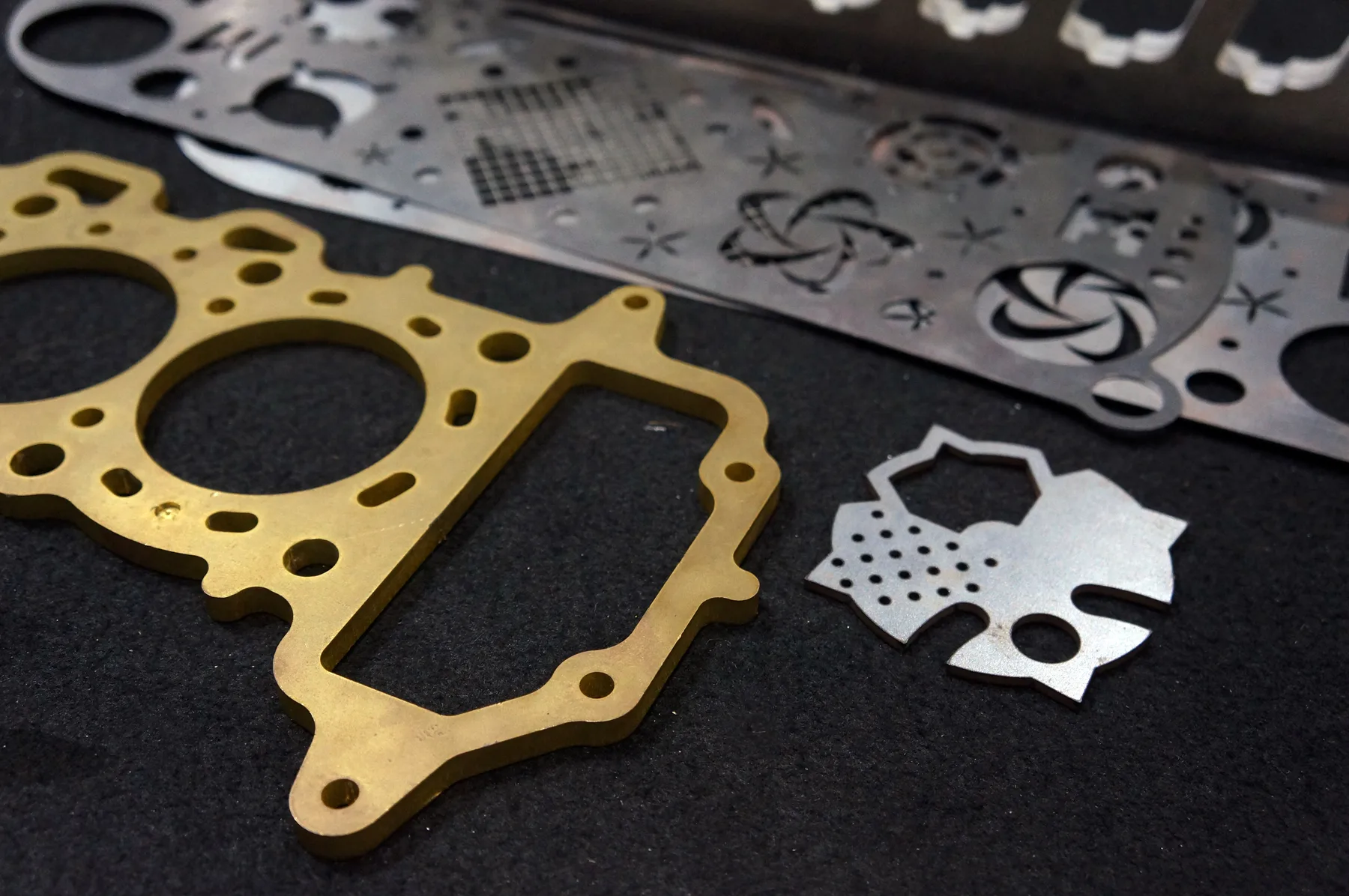
Metal production
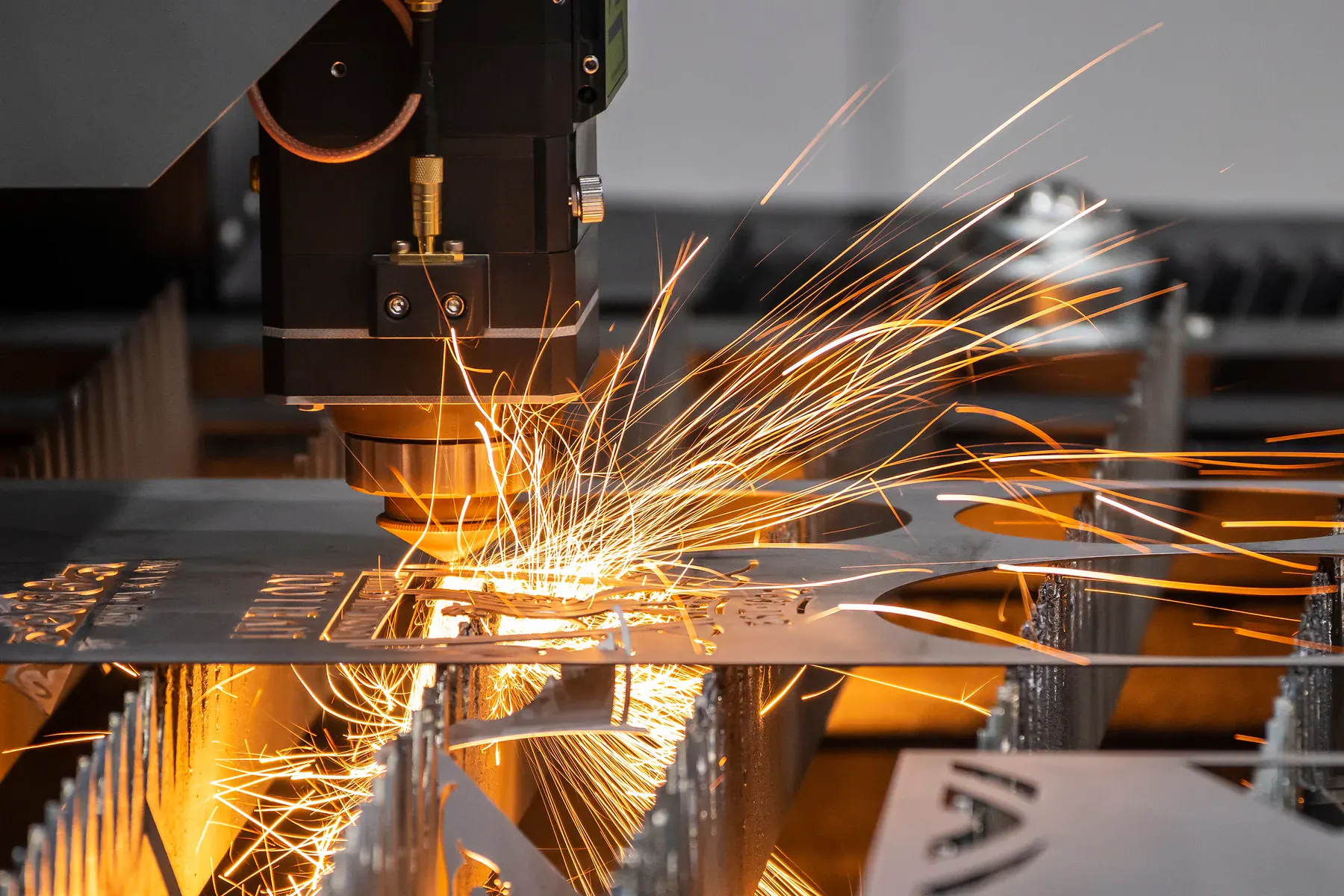
Fiber laser sheet metal parts
Brackets, plates, panels, guards and repeat fabrication parts.
- Proof
- Best when the buyer has clean DXF, DWG or vector PDF files with material, thickness and quantity confirmed.
- Materials
- Mild steel, stainless, aluminium, Corten and selected metals.
Acrylic proof
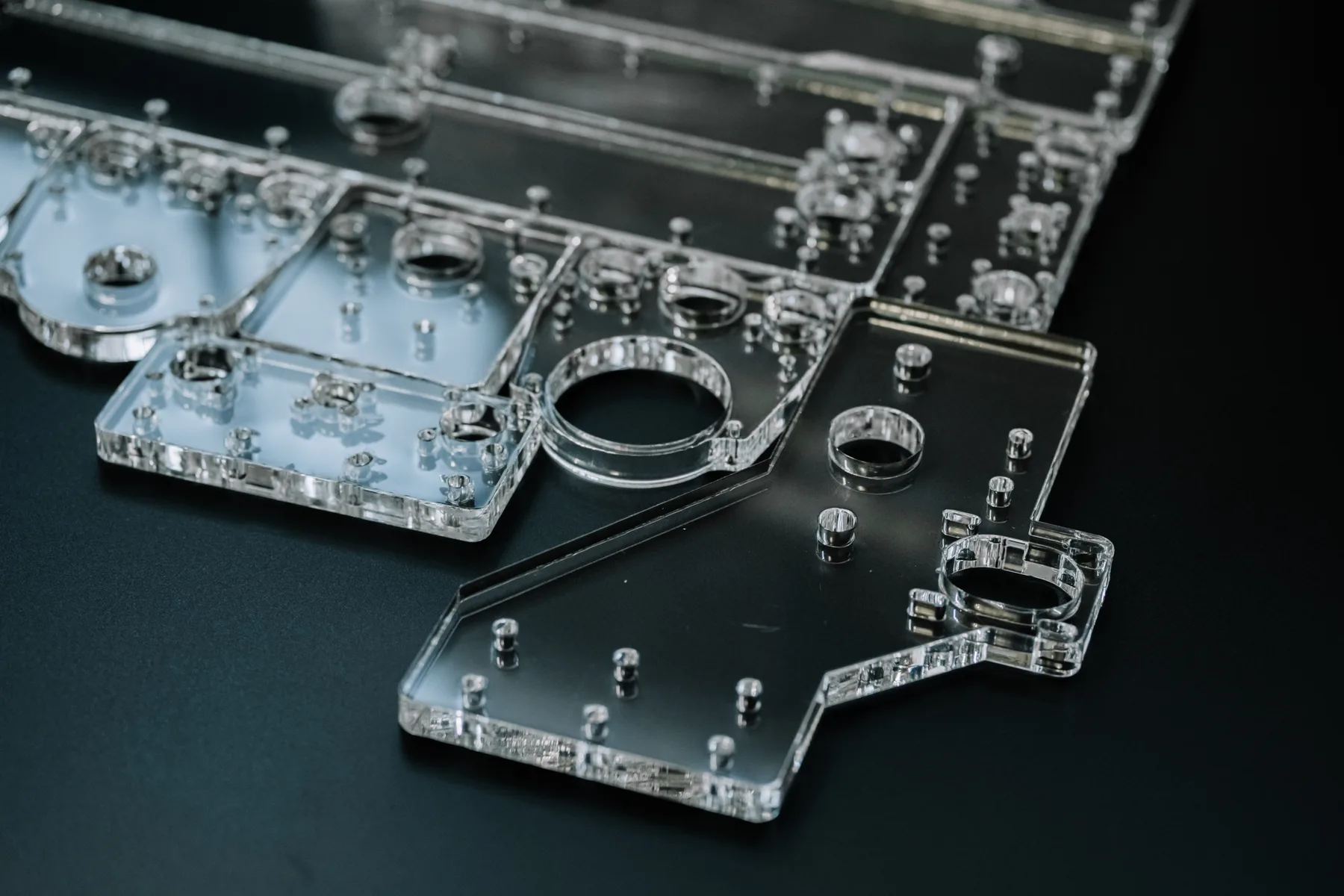
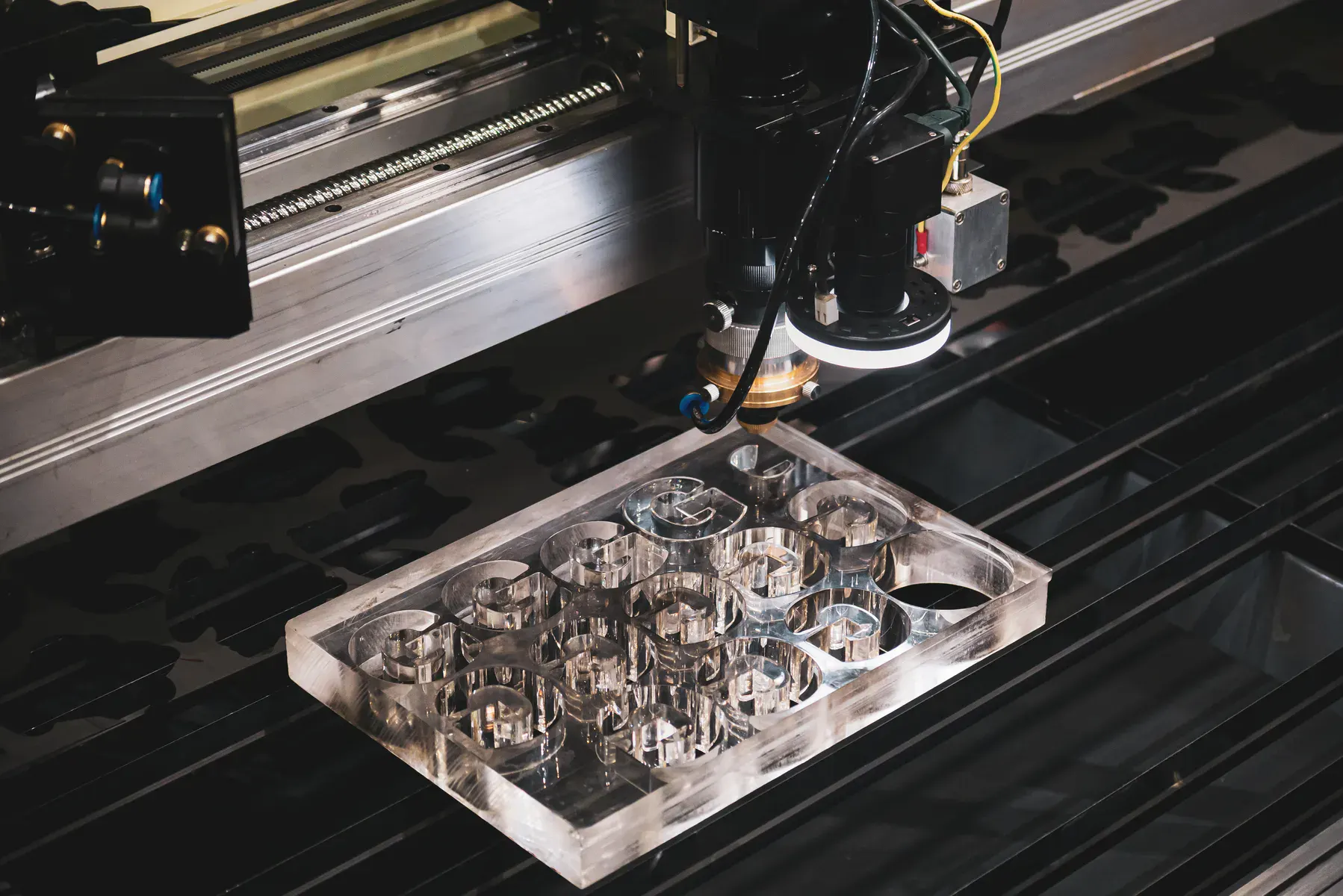
CO2 laser acrylic and display parts
Acrylic shapes, display parts, letters, panels and clean-edge signage components.
- Proof
- Clear material, thickness, colour, edge expectation and artwork scale make the job faster to approve.
- Materials
- Acrylic, Perspex-style sheet, light boards and selected CO2-friendly materials.
Router work
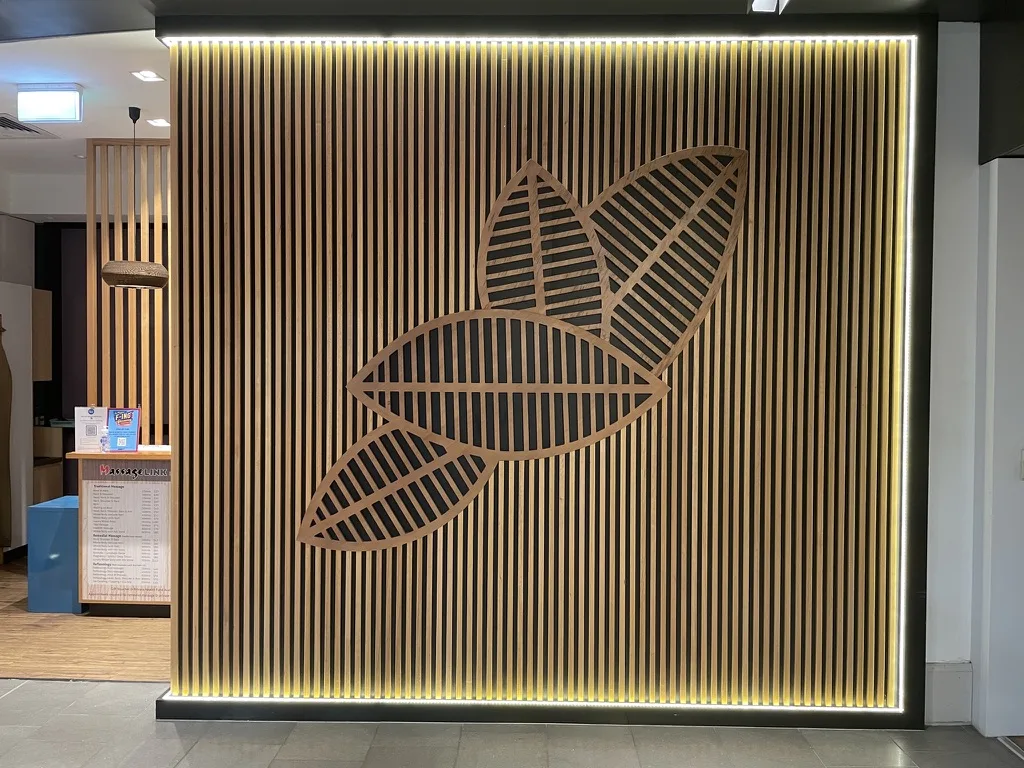
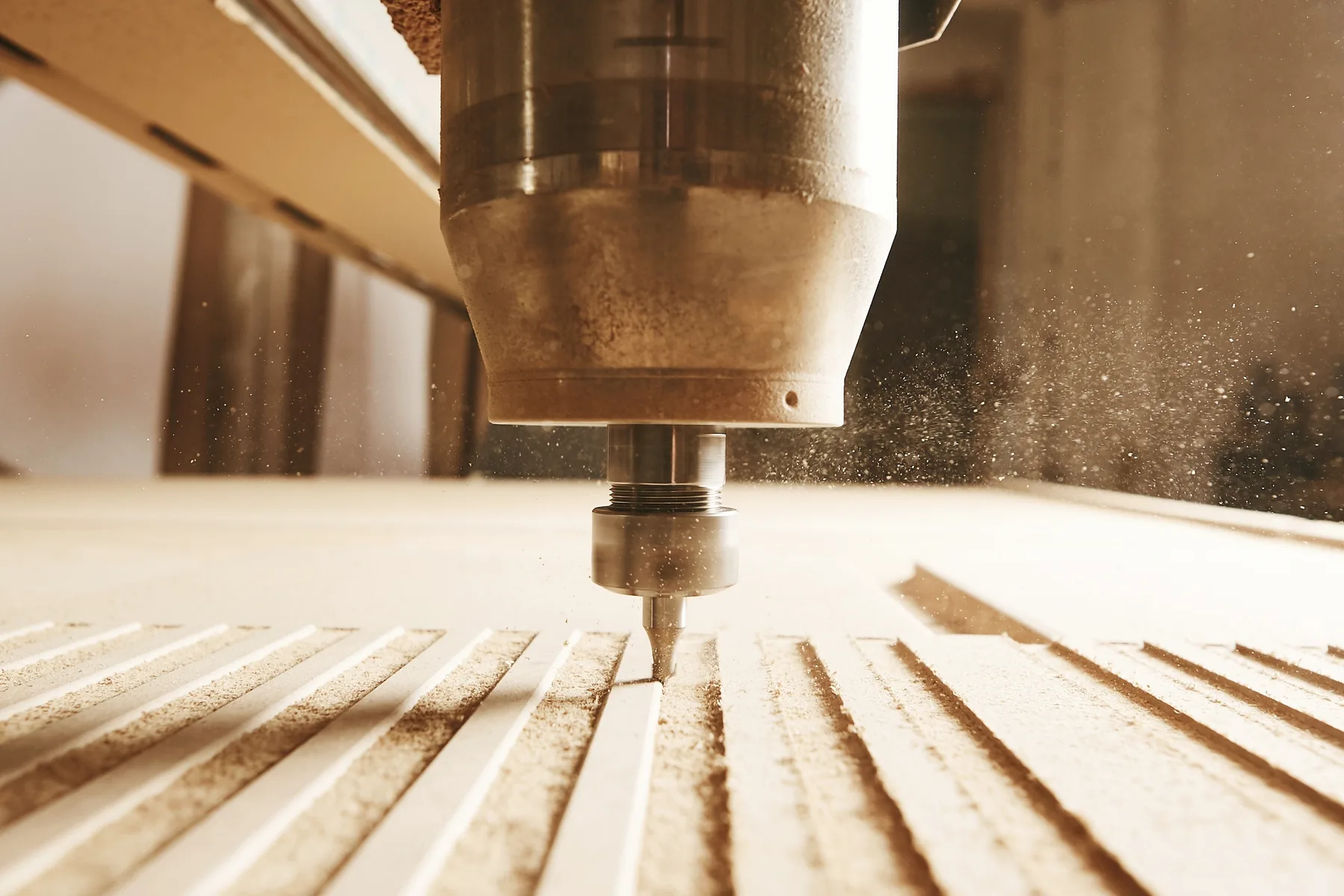
CNC routed shopfitting panels
ACM, MDF, plywood, HDPE and sheet panel profiles for signs, fitouts and practical parts.
- Proof
- Routing proof matters when the job needs grooves, pockets, large panels or thicker sheet handling.
- Materials
- ACM, MDF, plywood, HDPE and selected boards.
Flexible sheet
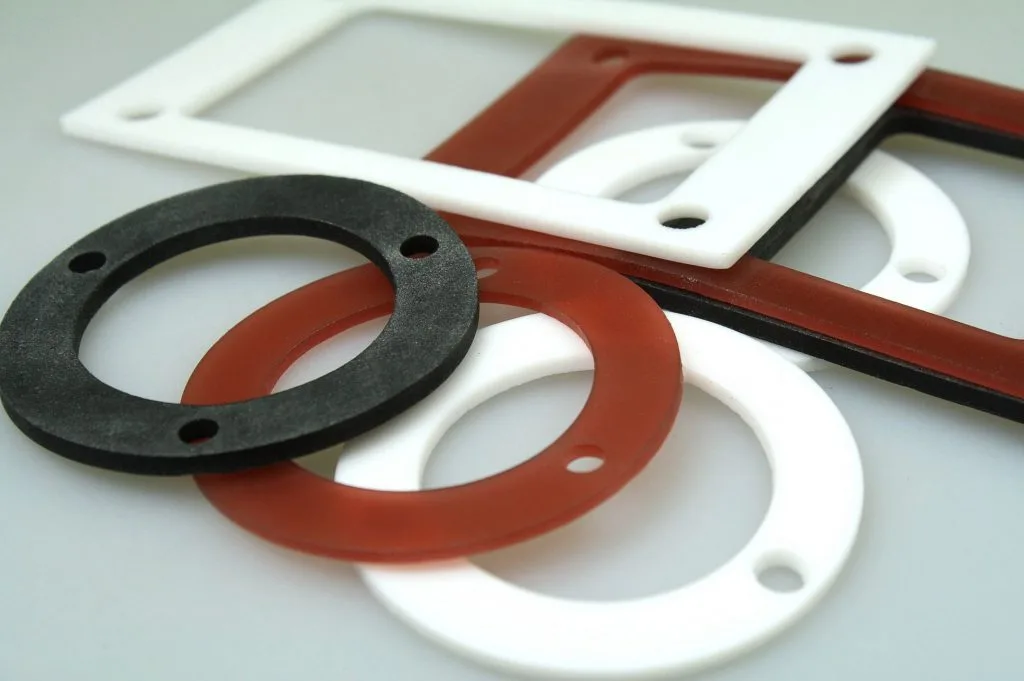
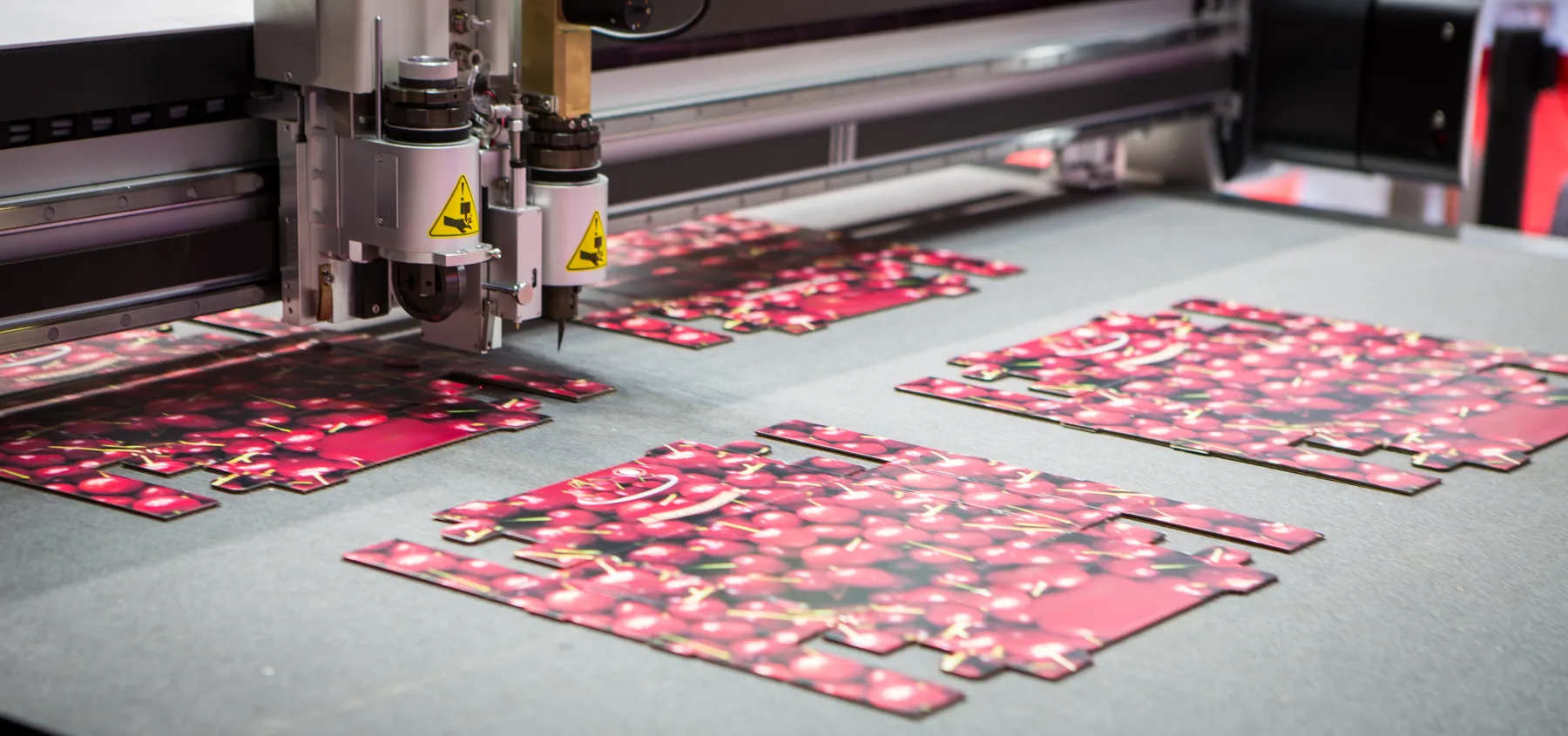
Digital knife gaskets and flexible materials
Gaskets, felt, foam, vinyl, rubber and printed roll/sheet materials.
- Proof
- The strongest jobs have clean cut paths, material type, roll or sheet size and repeat quantities.
- Materials
- Foam, felt, rubber, vinyl, cardboard and gasket sheet.
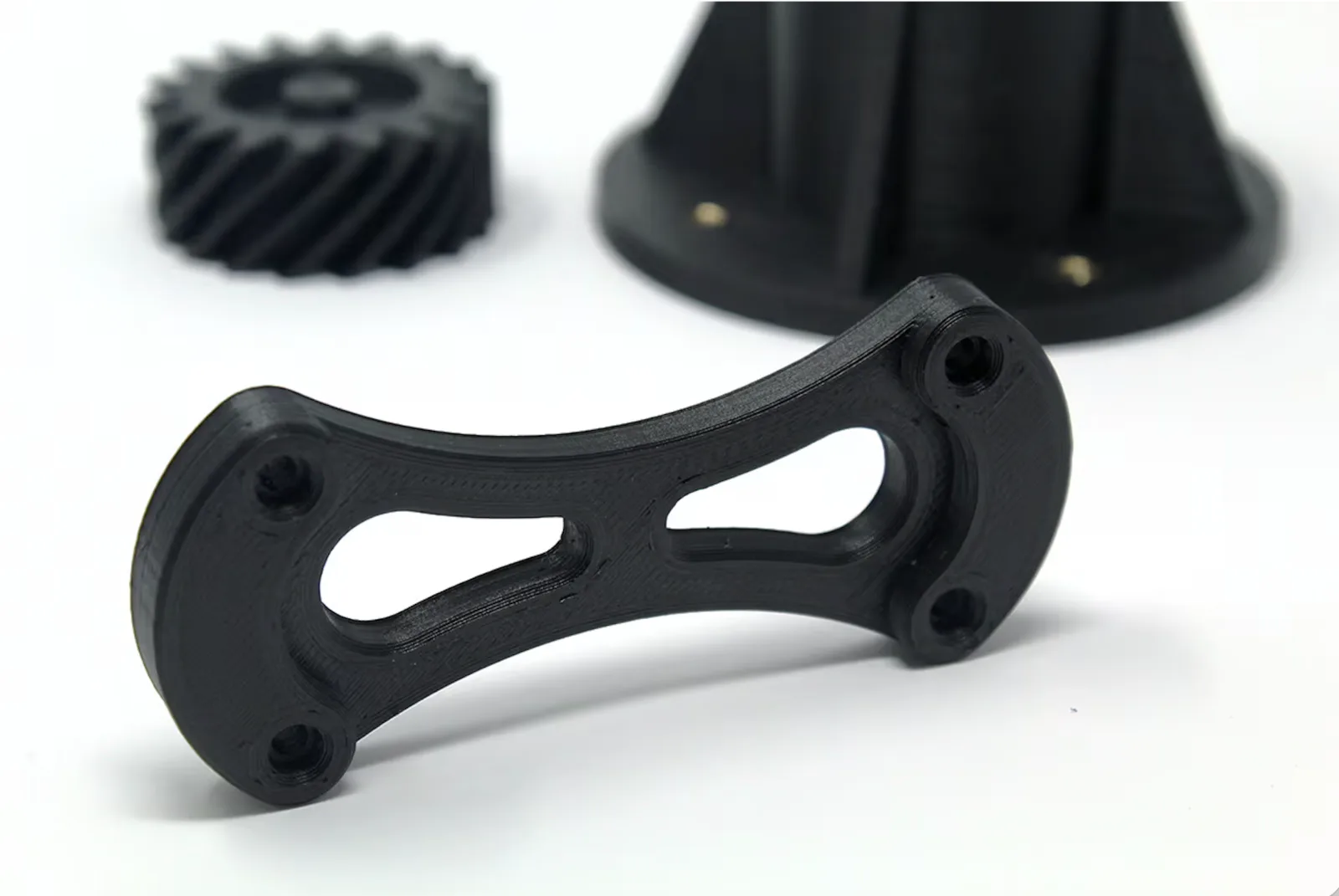
3D printing
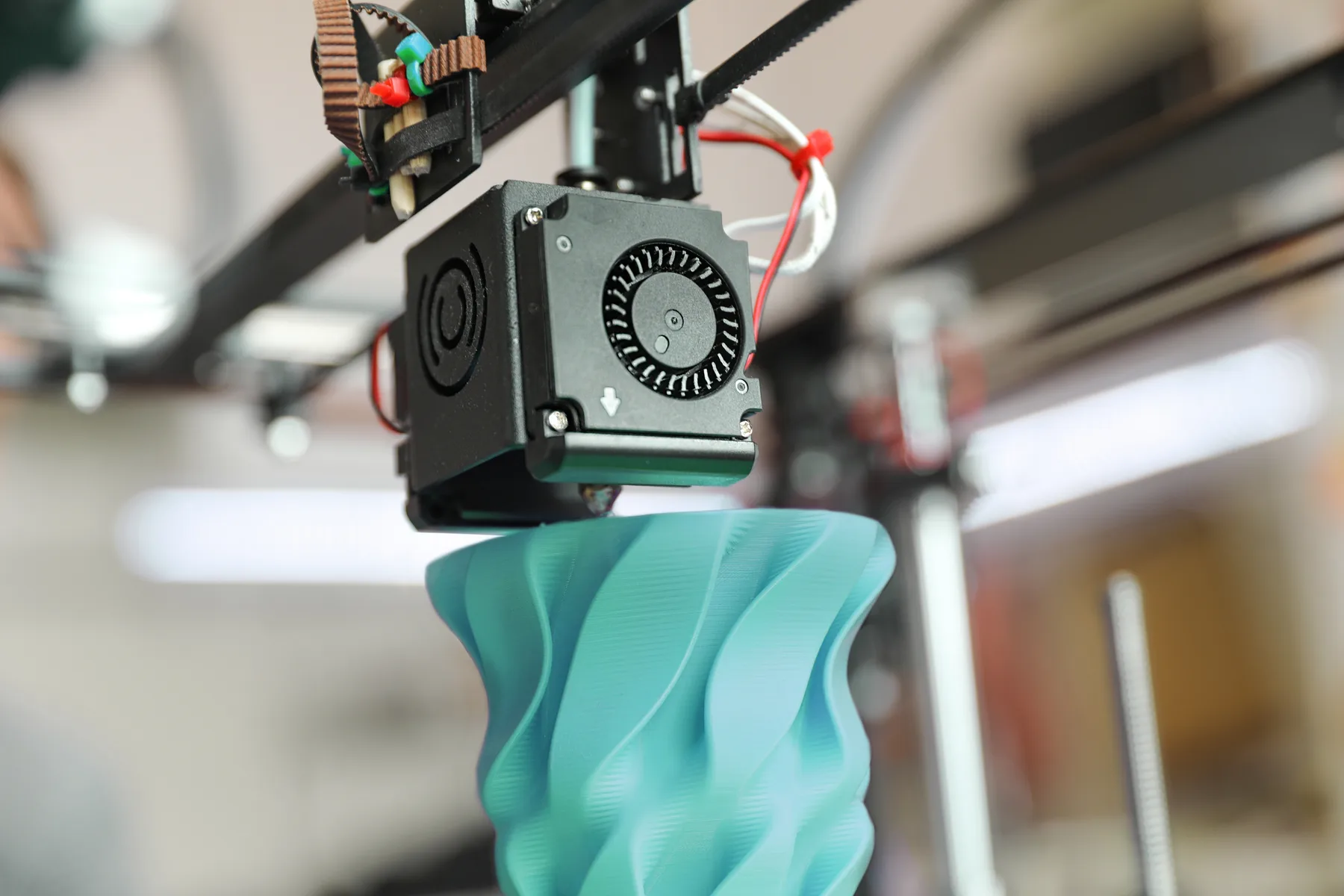
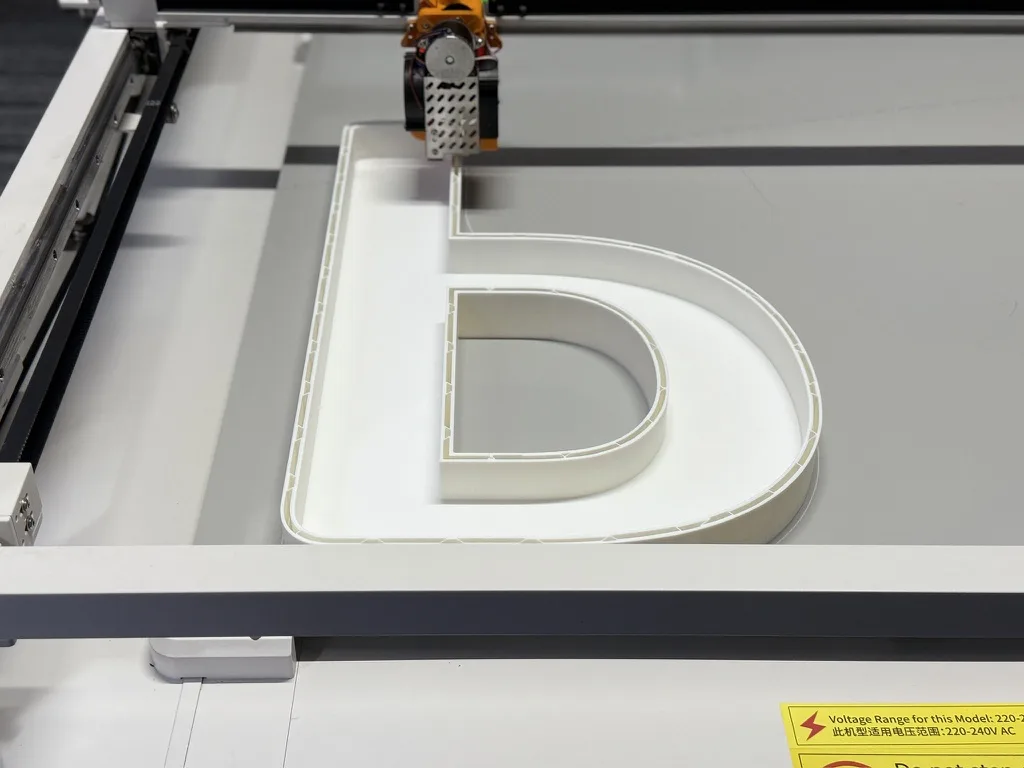
3D printed prototypes and signage forms
Prototype forms, jigs, fixtures, shallow signage letters and practical workshop aids.
- Proof
- A browser estimate helps with budget planning, while advanced or production-critical parts stay reviewed.
- Materials
- PLA Pro, PETG and reviewed technical filaments.
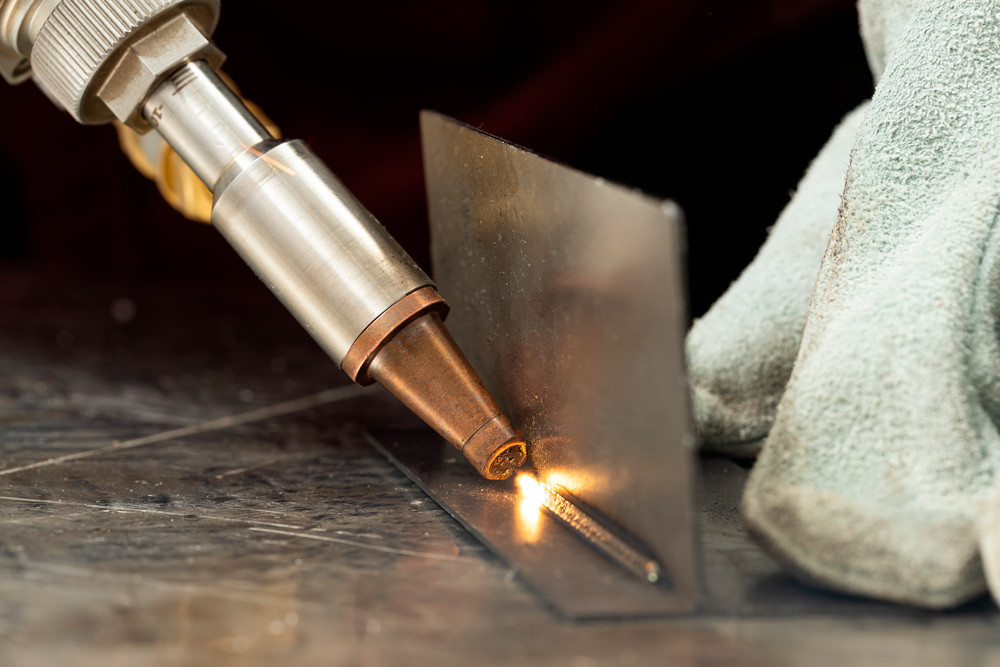
Reviewed services
Laser welding, marking and finishing support
Reviewed finishing and fabrication support where the job needs human judgement before acceptance.
- Proof
- These services are not just calculator items. Scope, finish, handling and delivery notes need review.
- Materials
- Metal parts, labels, assemblies and finishing workflows.
Workshop gallery
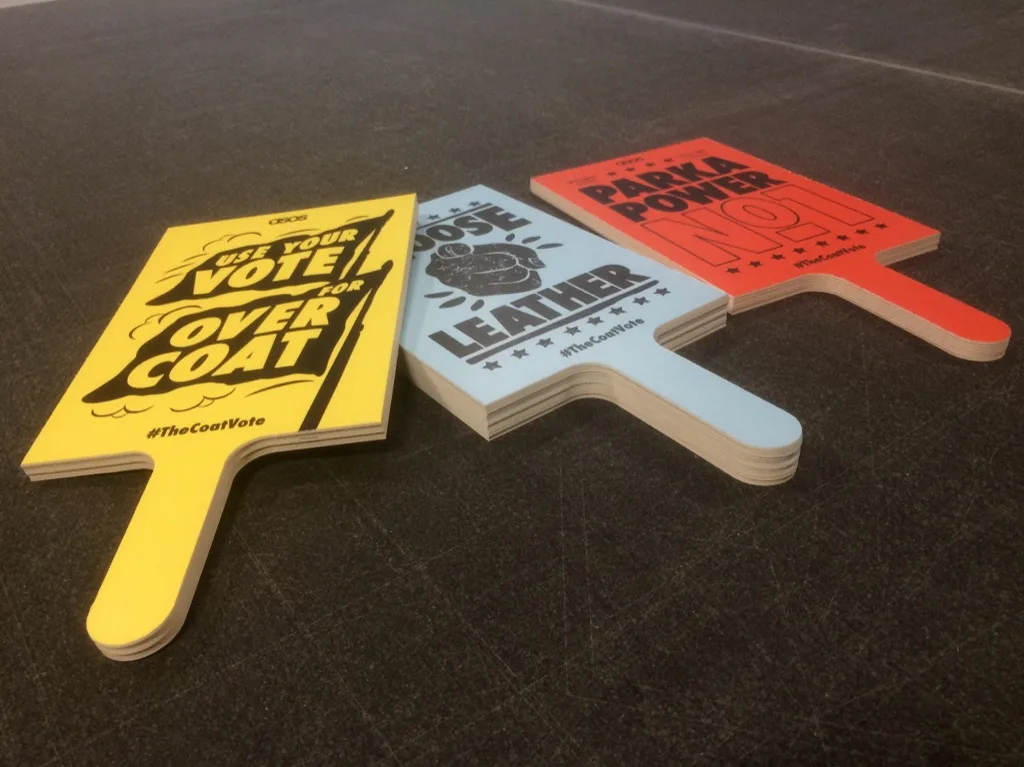
More real photos from the production floor.
How trust should feel
From file to production, the buyer should always know the next step.
Strong UX is not only visual polish. It is the buyer knowing whether to use instant pricing, when a file needs review, what materials are realistic and what proof exists that the workshop can do the work.
Launch trust checks
- Every major page needs visible proof close to the quote path.
- Every technology should show the material it is actually suited to.
- Every custom service should explain why review is needed.
- Every buyer should see a low-friction path to quote, contact or trade account.
Proof standards
What we still need to prove visually before launch.
Production proof should be stronger than generic stock imagery. The site should keep collecting real photos of material stacks, finished parts, cutting beds, batch work, acrylic edges, metal profiles, gaskets, signage components, routed panels, 3D printed samples and packed jobs ready for dispatch.
Use workshop images first
Buyers trust photos that show actual production context, even when they are less polished than studio images.
Show size and thickness
Hands, benches, sheets, machines and packed parts help buyers understand whether LCE handles their scale of work.
Show edges and faces
Close images of acrylic edges, metal surfaces, router detail and knife-cut materials reduce uncertainty before a file is uploaded.
Show batches, not only one-offs
Trade buyers want confidence that the workflow can handle repeat production and consistent communication.
Before launch, this page should keep pointing buyers toward the strongest real examples rather than generic claims: workshop photos, proofed jobs, route-specific pages and clear contact paths for review. It should make the workshop feel real before the buyer uploads anything or asks the team to review a file.
Ready to quote
Bring the DXF, DWG or vector PDF with real cut lines.
Cut-ready cutting jobs can use live instant pricing. Complex and custom work can still be reviewed by the team.