Gaskets and seals
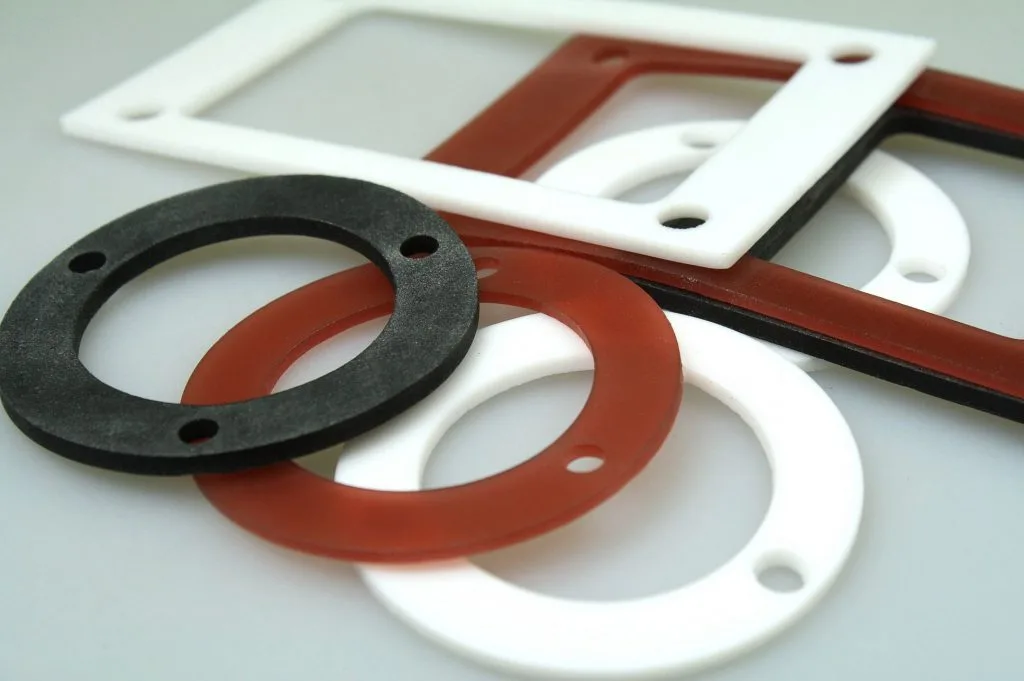
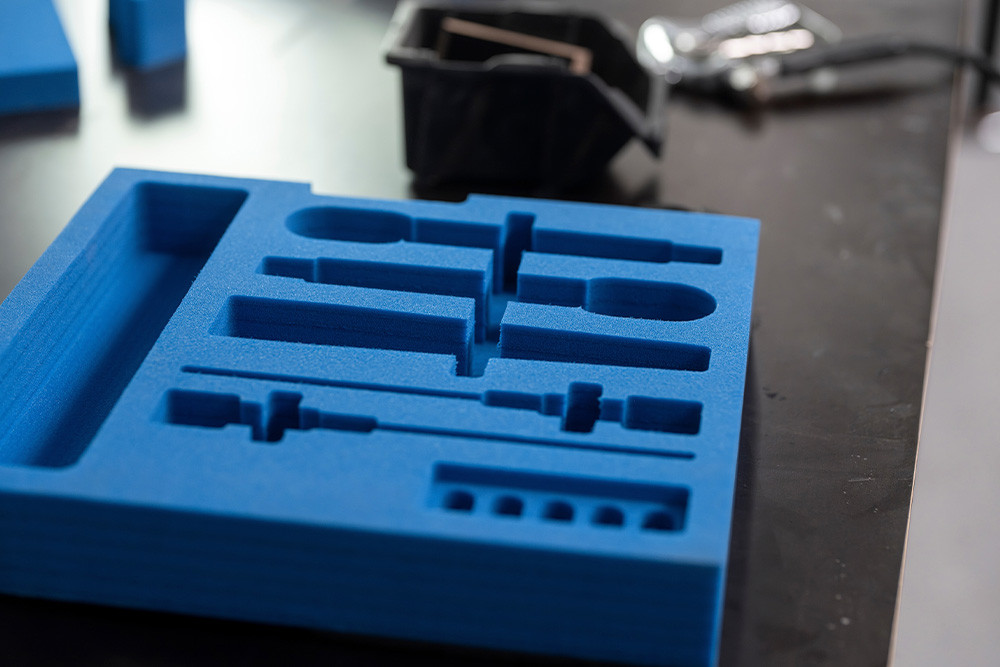
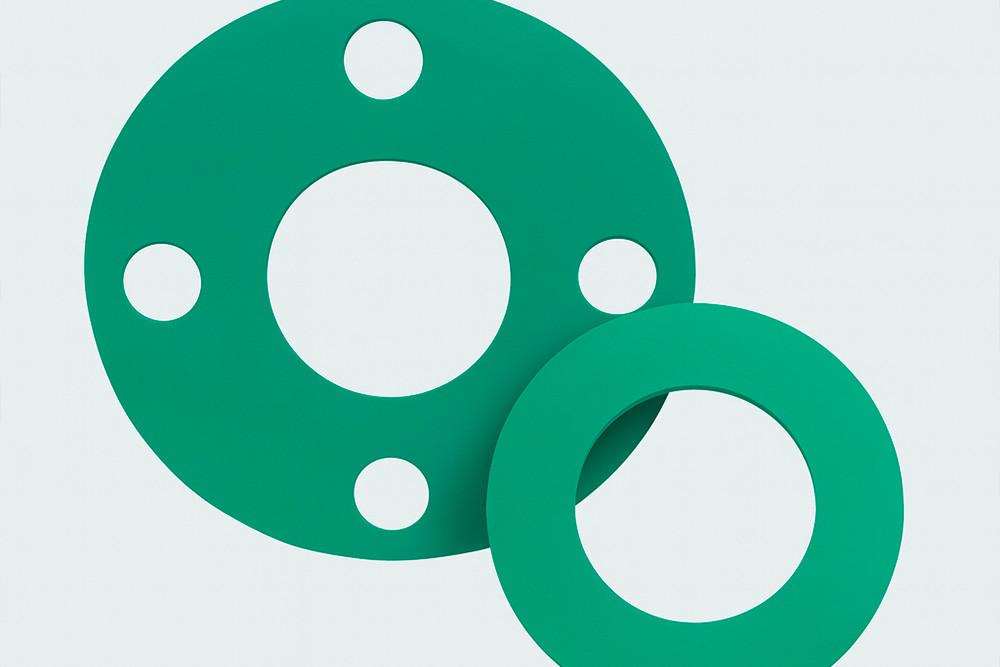
Rubber, cork, CNAF and foam profiles cut cleanly without a heat-affected edge.

Soft materials and packaging
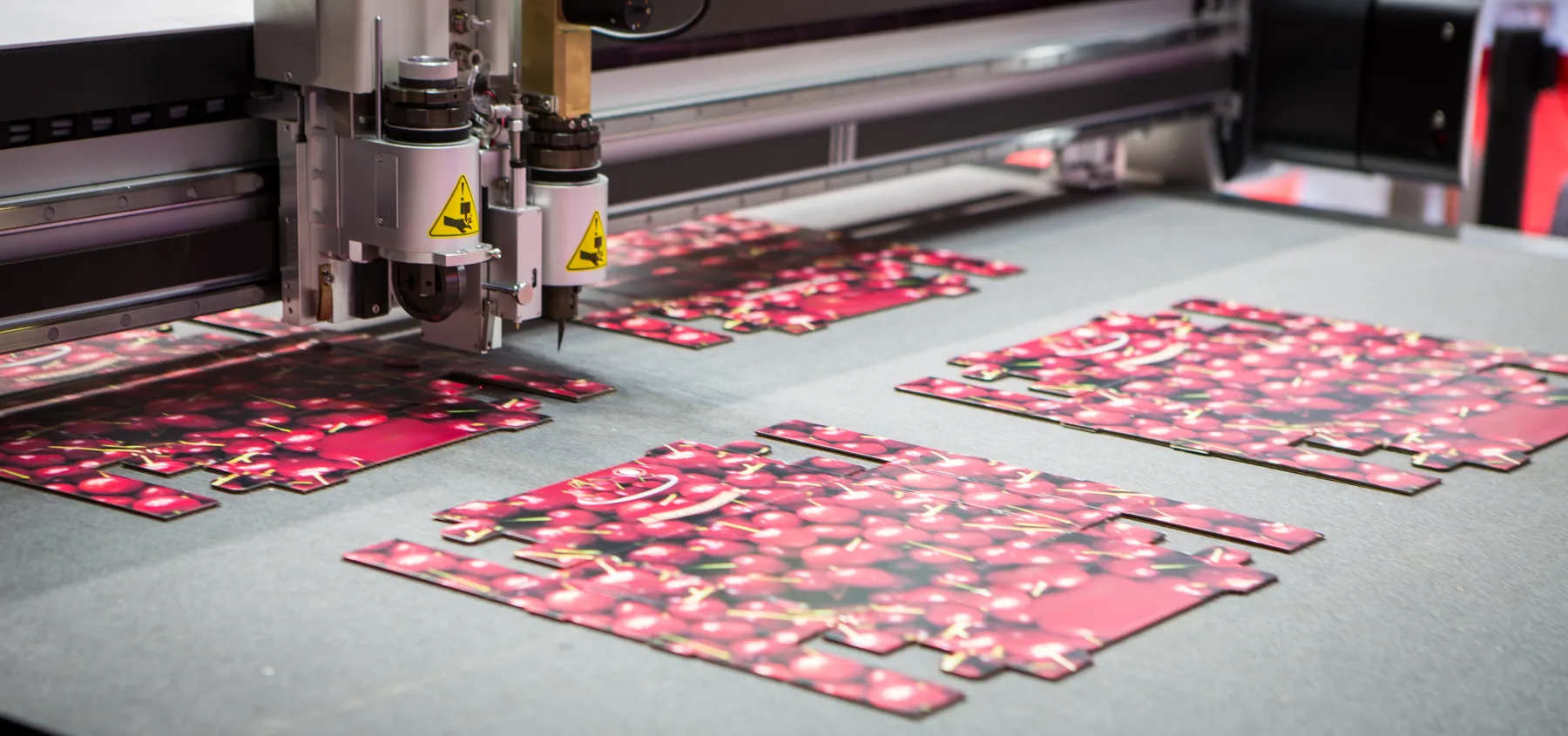
Flatbed digital knife cutting, kiss-cutting and creasing for foams, rubber, vinyl films, gasket materials, cartonboard and short-run packaging.
Service detail
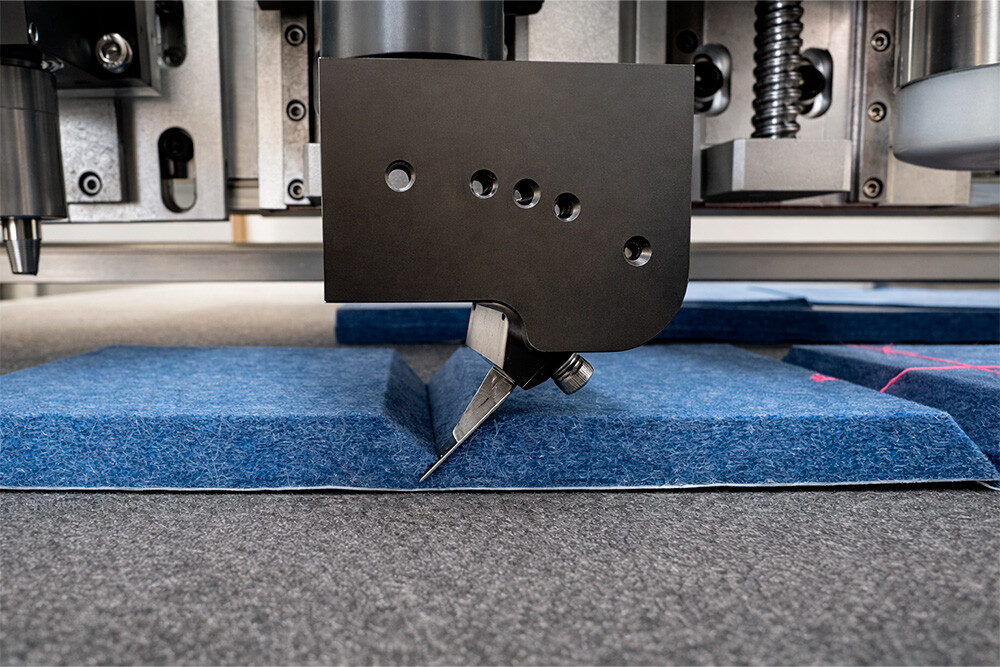
Digital knife cutting is built for flexible and soft materials that should not be heat-cut. It is ideal for foam, rubber, vinyl, adhesive films, cartonboard, cork, gasket materials and short-run packaging work.
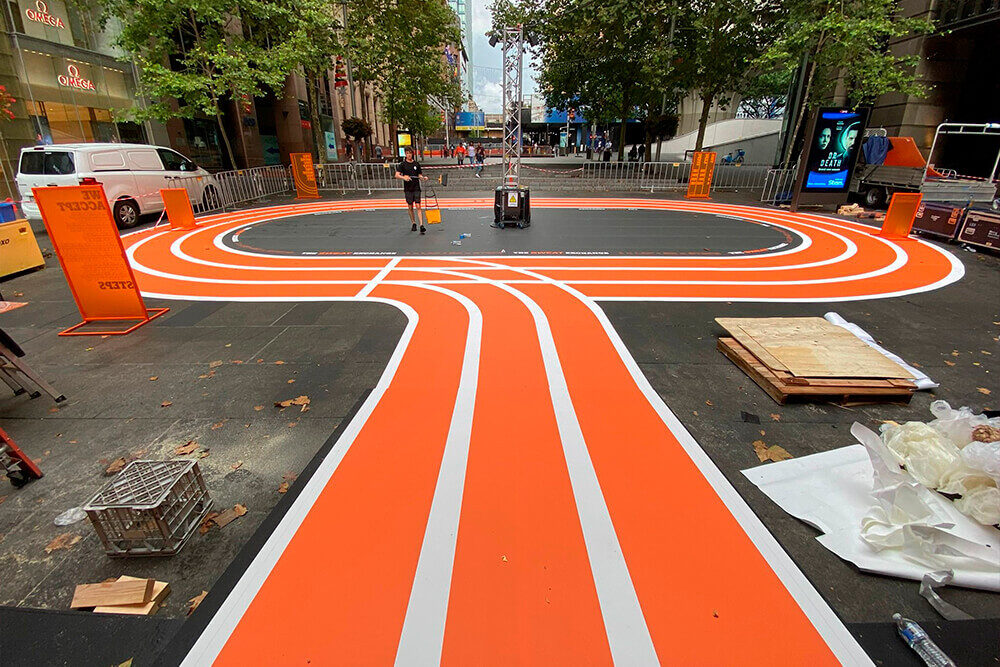
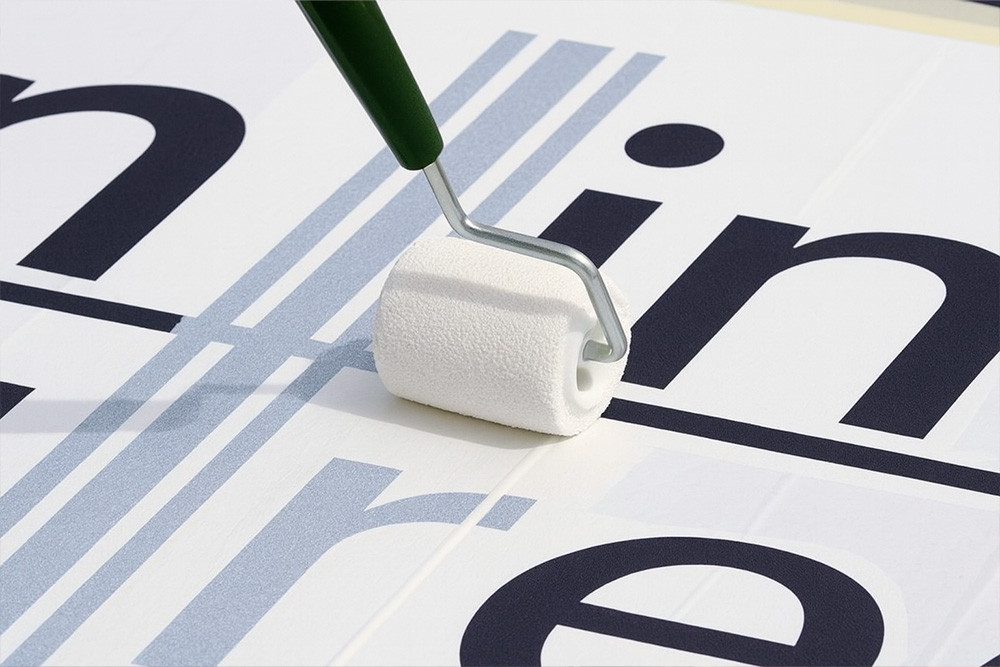
It is also a strong fit for trade signage and print work where kiss-cutting, through-cutting, creasing and clean handling need to happen without burning or melting the material.
Because the tool can through-cut, kiss-cut and crease, the file setup matters. Cut lines, crease lines and kiss-cut layers need to be clear so the job can be priced and produced without guesswork.
Technical quoting detail
These details make the page clearer for search intent and for trade buyers deciding whether their sheet metal job is suitable for instant pricing or should be reviewed first.
Real workshop photos
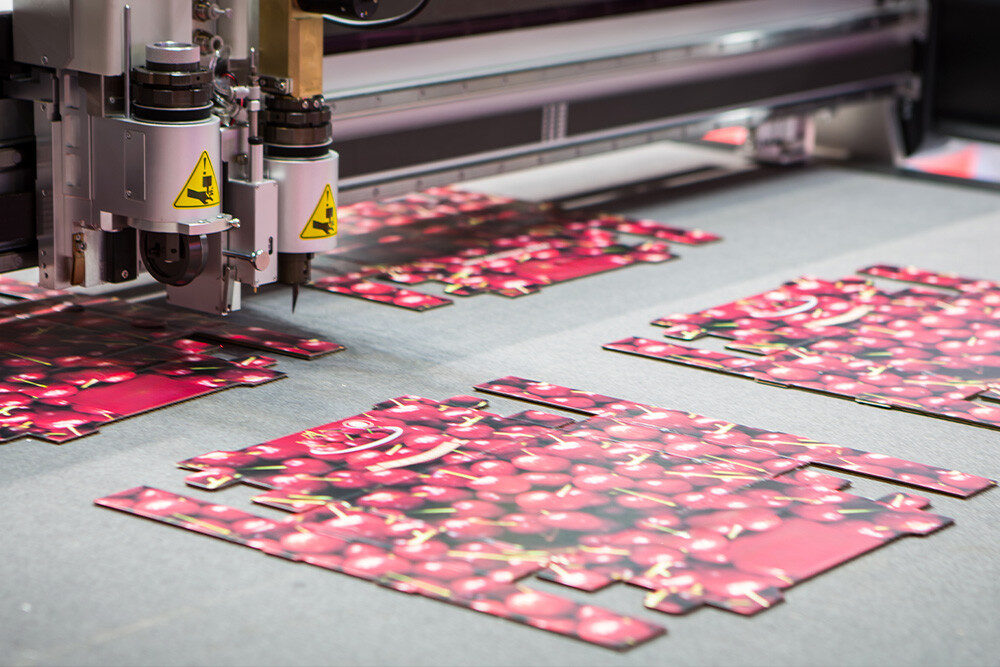
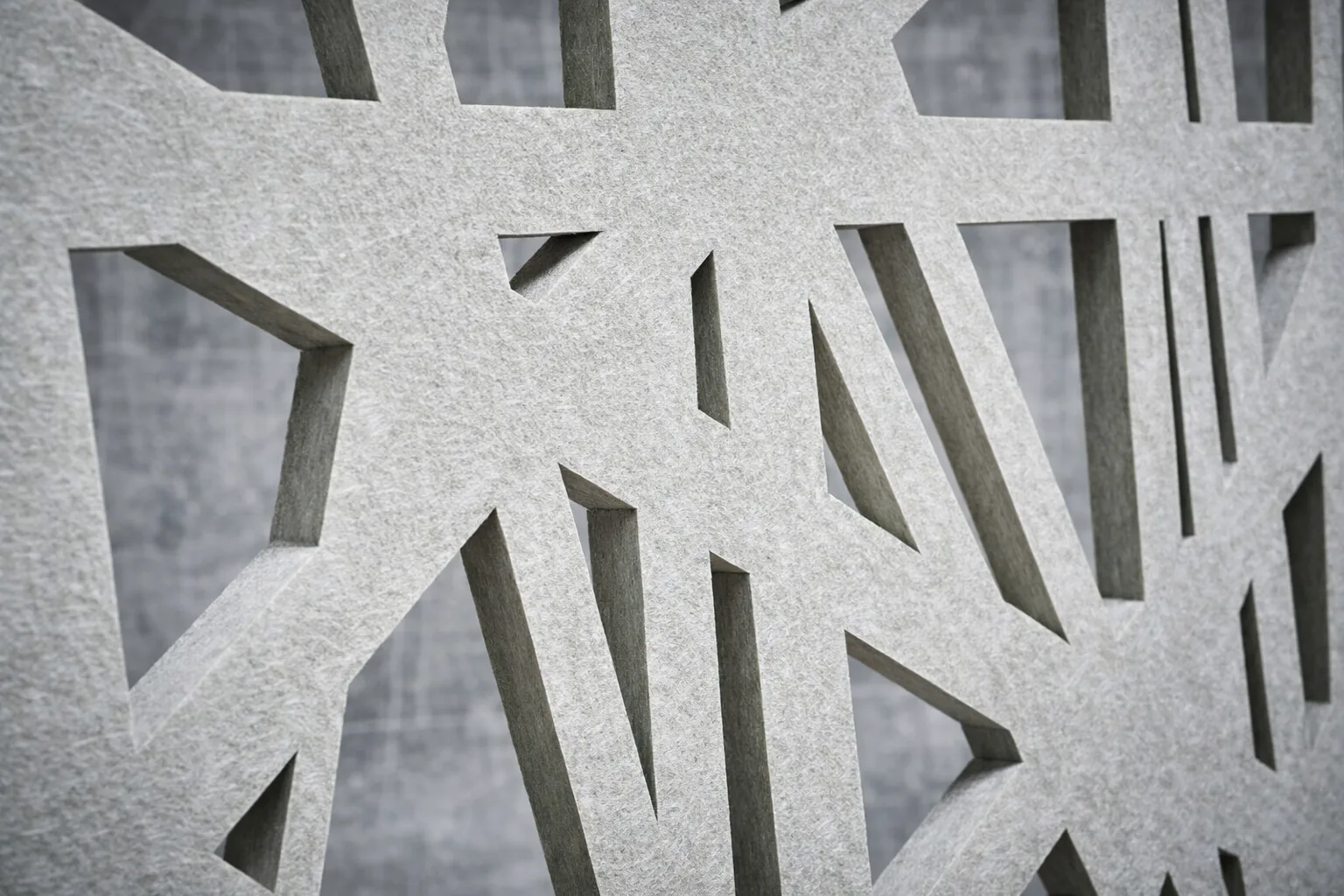
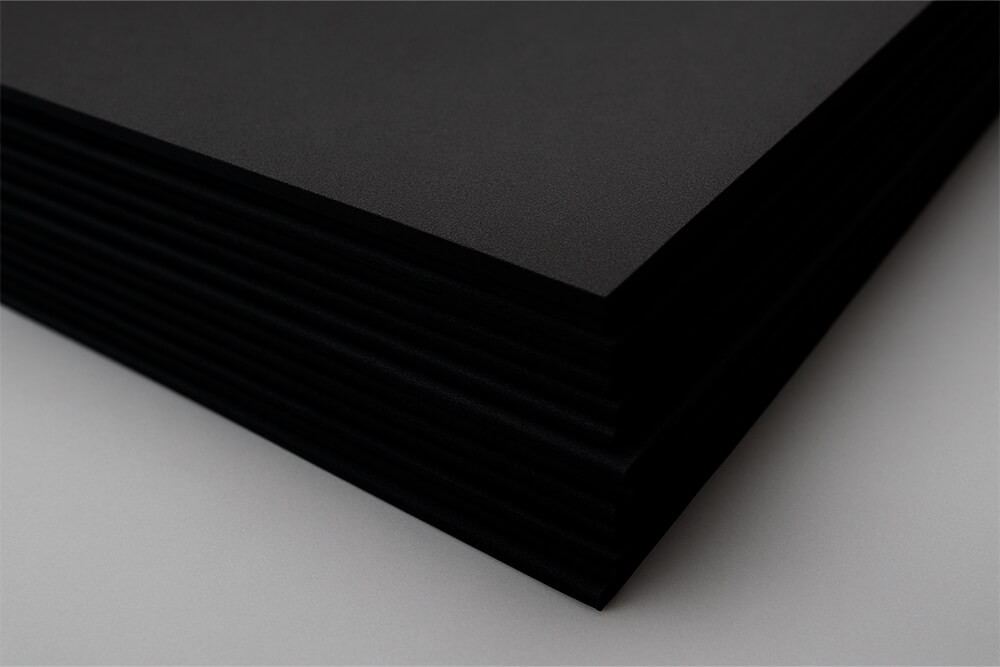
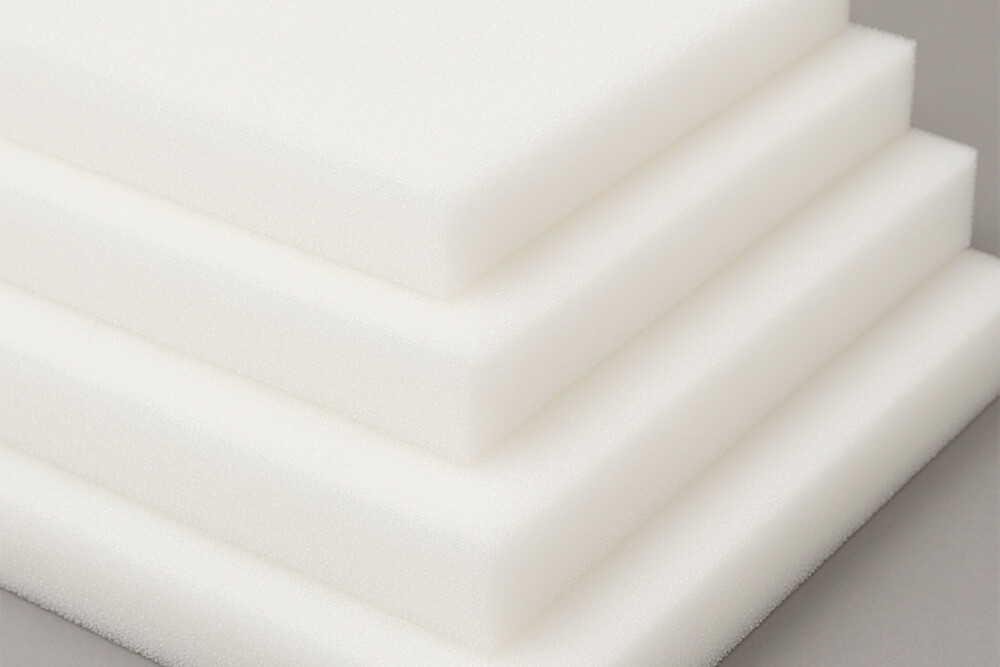
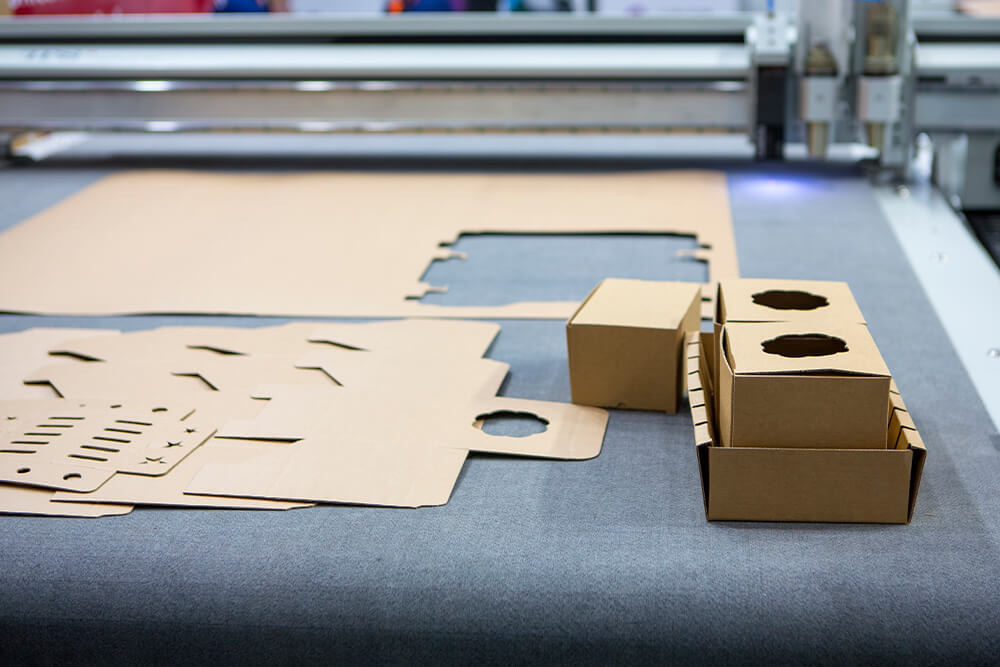
Digital knife cutting for printed vinyl, gasket materials, felt, foams and flexible sheet products where clean repeatable cutting matters.
Best-fit work
These pages are written for trade customers, fabricators, sign shops, procurement teams and production buyers who need clarity before sending files.
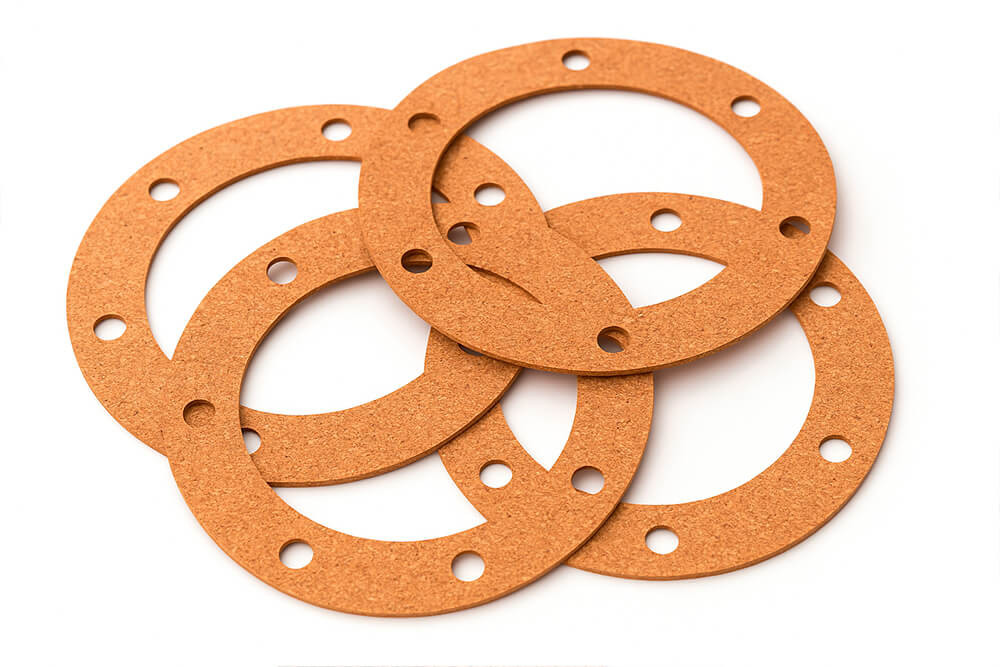
Rubber, cork, CNAF and foam profiles cut cleanly without a heat-affected edge.
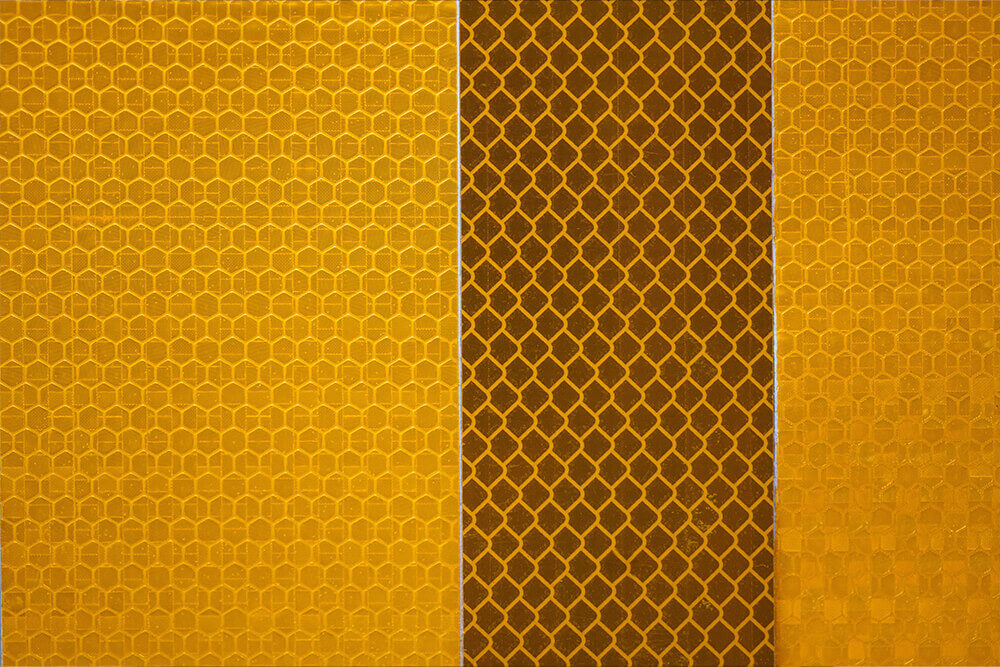
Kiss-cut or through-cut adhesive films, paint mask, reflective vinyl and frosted films.
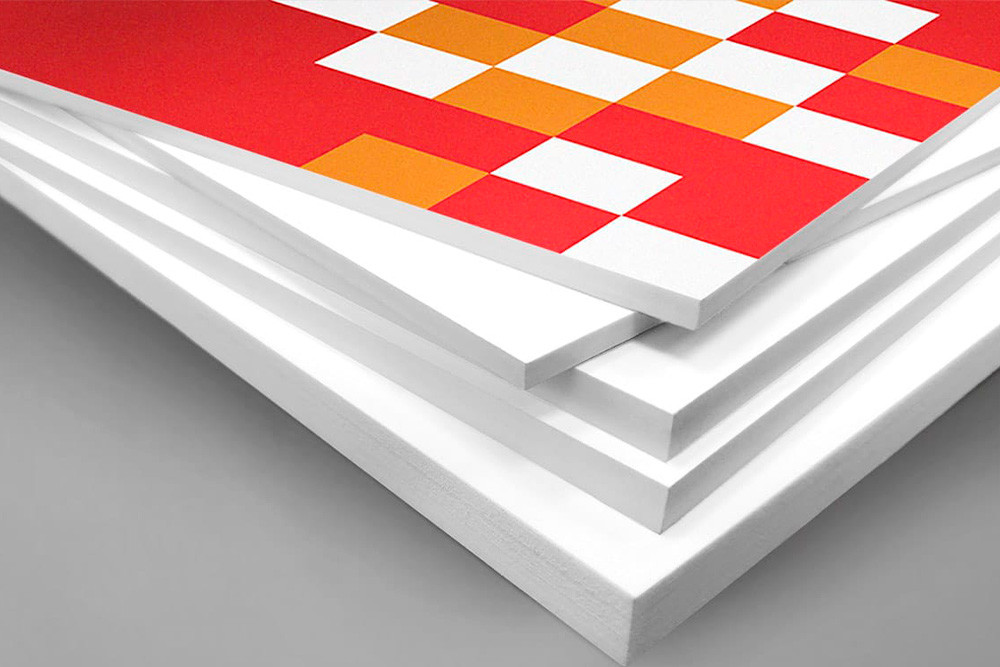
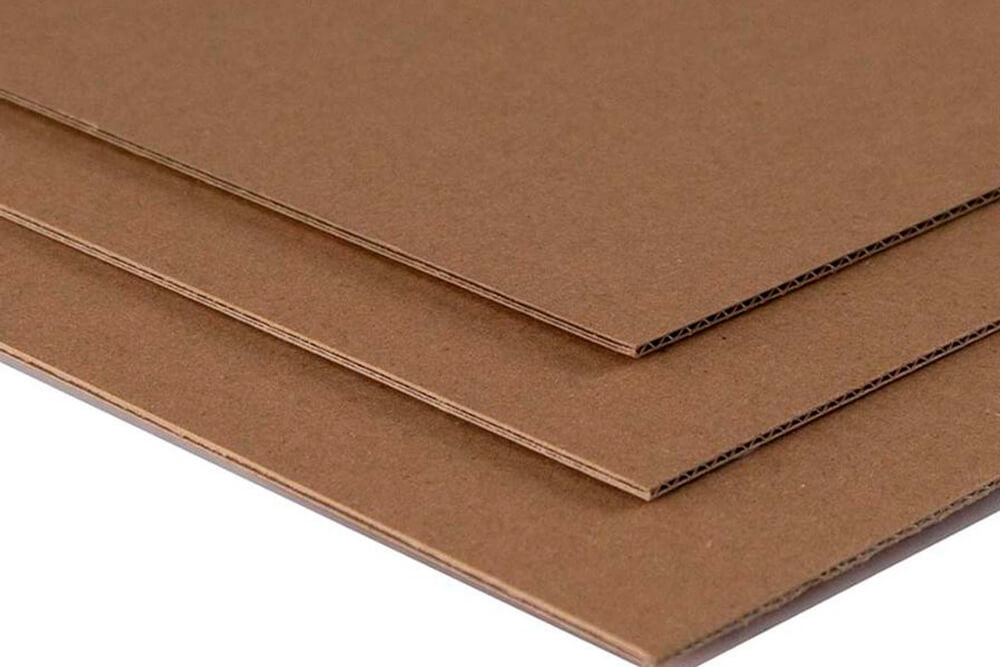
Foam inserts, cartonboard, POS pieces and short-run packaging components.
Material fit
The fastest quote is still the correct quote. Material, thickness, edge expectation and finishing notes determine whether the job should price instantly or be reviewed first.
Useful for inserts, pads, case layouts and protective packaging.
Good for EPDM, nitrile, neoprene, silicone, cork and CNAF-style flat gaskets.
Best when kiss-cut, through-cut and weed borders are clearly separated.
Suitable for short-run cartons, POS boards, creasing and display pieces.
File rules
A cut-ready file contains actual vector paths the machine can follow. It is not simply a picture placed into a PDF. This distinction is important because the calculator reads cutting geometry, not visual artwork.
If a JPEG, phone photo or screenshot is saved as a PDF, it still cannot be priced as a cutting file. Send that through review so we can advise on file prep.
Not ready yet?
If the job includes photos, sketches, mixed services, unclear material, finishing, fabrication, painting, welding, 3D printing, installation context or production advice, send the brief through contact instead.
Workflow
DXF, DWG or vector PDF files should contain real cut paths and separate layers for operations.
Select material family, sheet or roll details, adhesive backing and thickness where relevant.
Through-cut, kiss-cut, crease and registration needs should be clearly marked.
Parts are cut, separated, checked and packed for repeatable trade use.
Quote path
The calculator is the fastest path for clean cutting files. For mixed services, unclear geometry, specialist materials or finish-critical work, the reviewed quote path keeps the job accurate before production starts.
The job needs kiss-cut plus through-cut plus crease in one file.
The material is roll-fed, printed, adhesive-backed or needs registration marks.
A sample is needed to confirm compression, drag, edge quality or layer separation.
The file uses artwork only and does not show clear production cut paths.
Related materials
Common questions
Yes, suitable knife cutting files can be priced quickly when the DXF, DWG or vector PDF contains real cut paths and the material, thickness and operation are clear.
It is best for soft, flexible or layered sheet materials such as foam, rubber, vinyl, gasket materials, cartonboard and films.
Through-cutting cuts all the way through the material. Kiss-cutting cuts the top layer, often leaving a backing sheet intact for adhesive vinyl, films and labels.
Yes, suitable carton and board jobs can include crease lines, but the cut and crease operations need to be clearly separated in the file.
One-off parts, prototypes and repeat production runs can all be quoted. Very small jobs still need setup time, so uploading a clean file is the fastest way to see whether the price works.
Yes. CO2 laser engraving is available for compatible materials such as acrylic and timber, and some jobs can also use marking, printing or finishing depending on the material.
Yes. Fiber laser cutting is used for sheet metals including mild steel, stainless steel, aluminium, brass, copper, Colorbond and Corten steel where the material and thickness are suitable.
Ready file
Upload DXF, DWG or vector PDF files with actual cut paths, or send complex jobs through the reviewed quote path.