Target sheet format for flat metal profiles.
Material thickness guide
Laser Cutting Material Thickness Guide
A practical laser-only guide to material thickness before quoting, with clear separation between fiber laser cutting for metals and CO2 laser cutting for acrylic-led non-metal work.
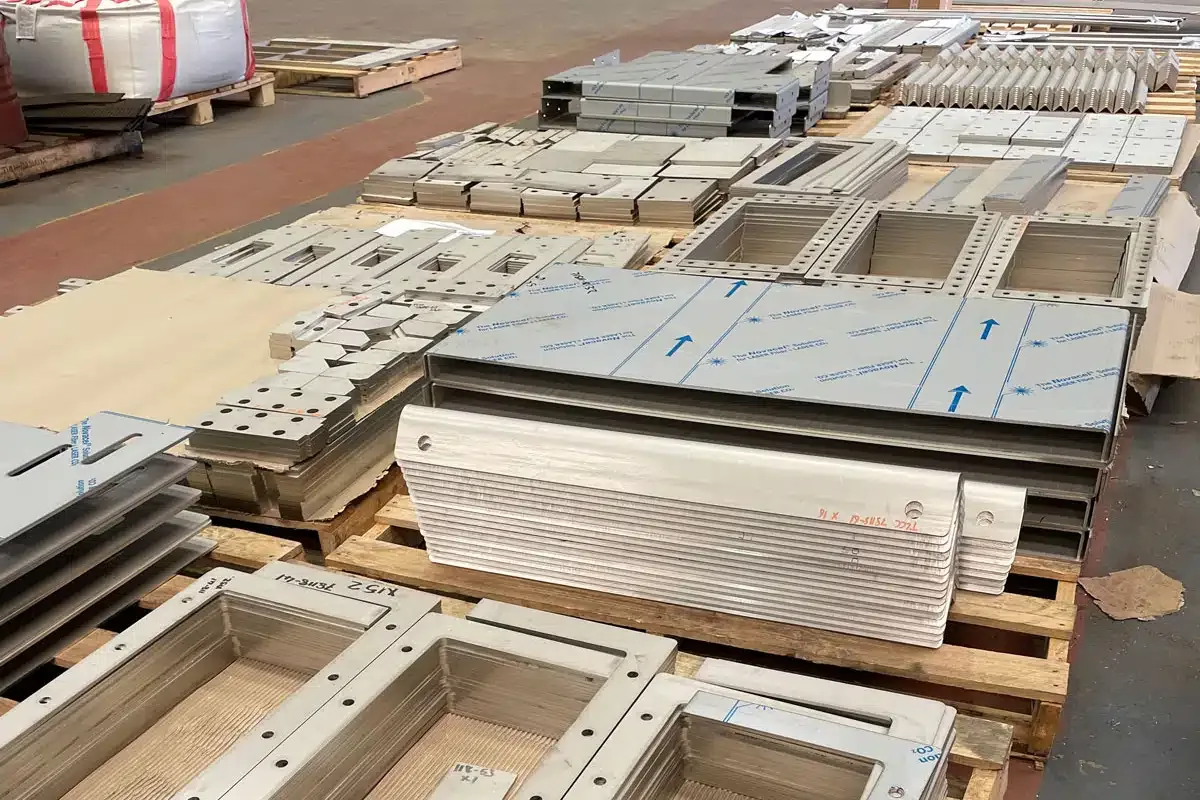
Best fitBuyers comparing laser-cut material, thickness and quote fit before uploading files or requesting a reviewed quote.
Typical workMetal plates, brackets, stainless parts, aluminium panels, acrylic signs, Perspex covers, acrylic letters, light MDF/plywood templates, paper and cardboard samples.
File setupDXF, DWG or vector PDF files with real cut paths at the correct scale.
Quote pathInstant pricing for clean cutting files, reviewed quoting where material, finish or interpretation matters.
Laser-only capability guide
Laser cutting thickness depends on whether the job is fiber or CO2.
This page is only for laser cutting. Fiber laser is the metal process. CO2 laser is the acrylic-led non-metal process. Use the guide as a quoting range, then confirm edge finish, detail size and material grade before production.
Machine capability snapshot
Two laser systems, two material families.
Fiber laser cutting handles suitable sheet metals. CO2 laser cutting handles acrylic-led non-metal jobs. The same millimetre thickness does not mean the same cutting behaviour, edge finish, cost or quote risk.
Working area for acrylic-led non-metal laser work.
Mild steel, stainless steel and aluminium guide limits.
Acrylic and Perspex are the main CO2 laser materials.
Visual guide
Fiber laser metals and CO2 laser materials.
Use these as practical quoting ranges before uploading a file. Final suitability still depends on material grade, sheet condition, small details, finish expectations and the actual drawing.
Fiber laser
3000 x 1500 mm target sheet format
Metals
Mild steel
Brackets, plates and fabrication parts
Standard
12 mm
Stainless steel
Visible and corrosion-resistant sheet parts
Standard
6 mm
Aluminium
Lightweight panels and sheet components
Standard
5 mm
Brass
Reflective and finish-sensitive profiles
Reviewed
3 mm
Copper
Reflective sheet, grade confirmed first
Reviewed
2 mm
Colorbond / coated steel
Coating, face direction and fumes checked
Reviewed
1 mm
Corten steel
Weathering steel profiles and screens
By sheet
Reviewed
CO2 laser
3000 x 1500 mm working area
Acrylic-led non-metals
Acrylic / Perspex
Signs, panels, covers, letters and displays
Core
20 mm
MDF / plywood
Templates, displays and engraving-style work
Light sheet
6 mm
Paper / cardboard
Samples, templates and light packaging
Light sheet
3 mm
PETG / polycarbonate
Material and edge expectation confirmed
Check first
Reviewed
PVC / vinyl
Not suitable for CO2 laser cutting
Blocked
Do not laser
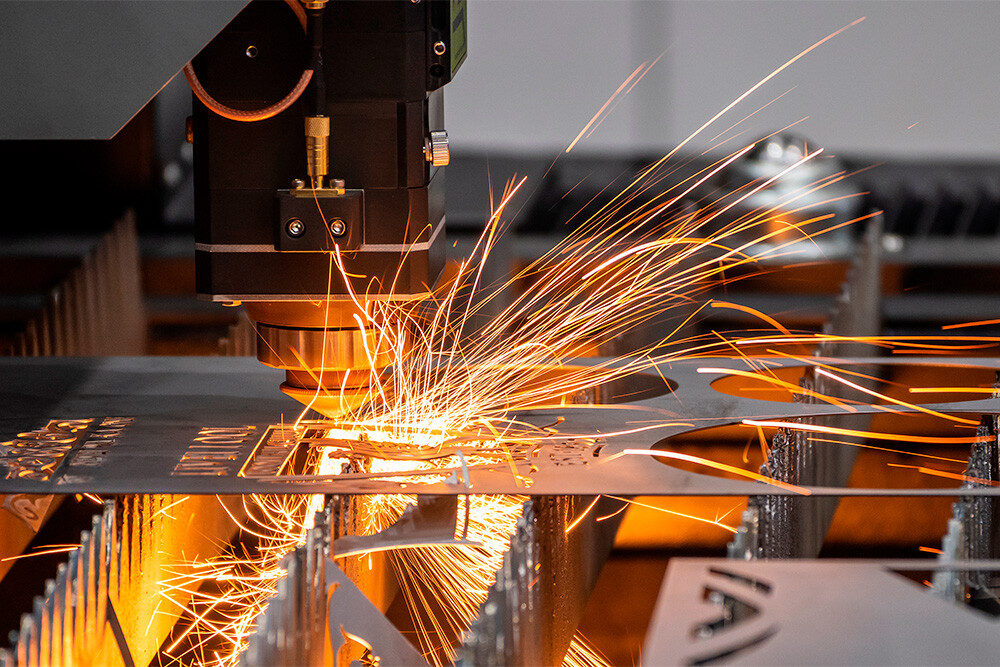
Fiber laser cutting
Up to 3000 x 1500 mm target sheet format
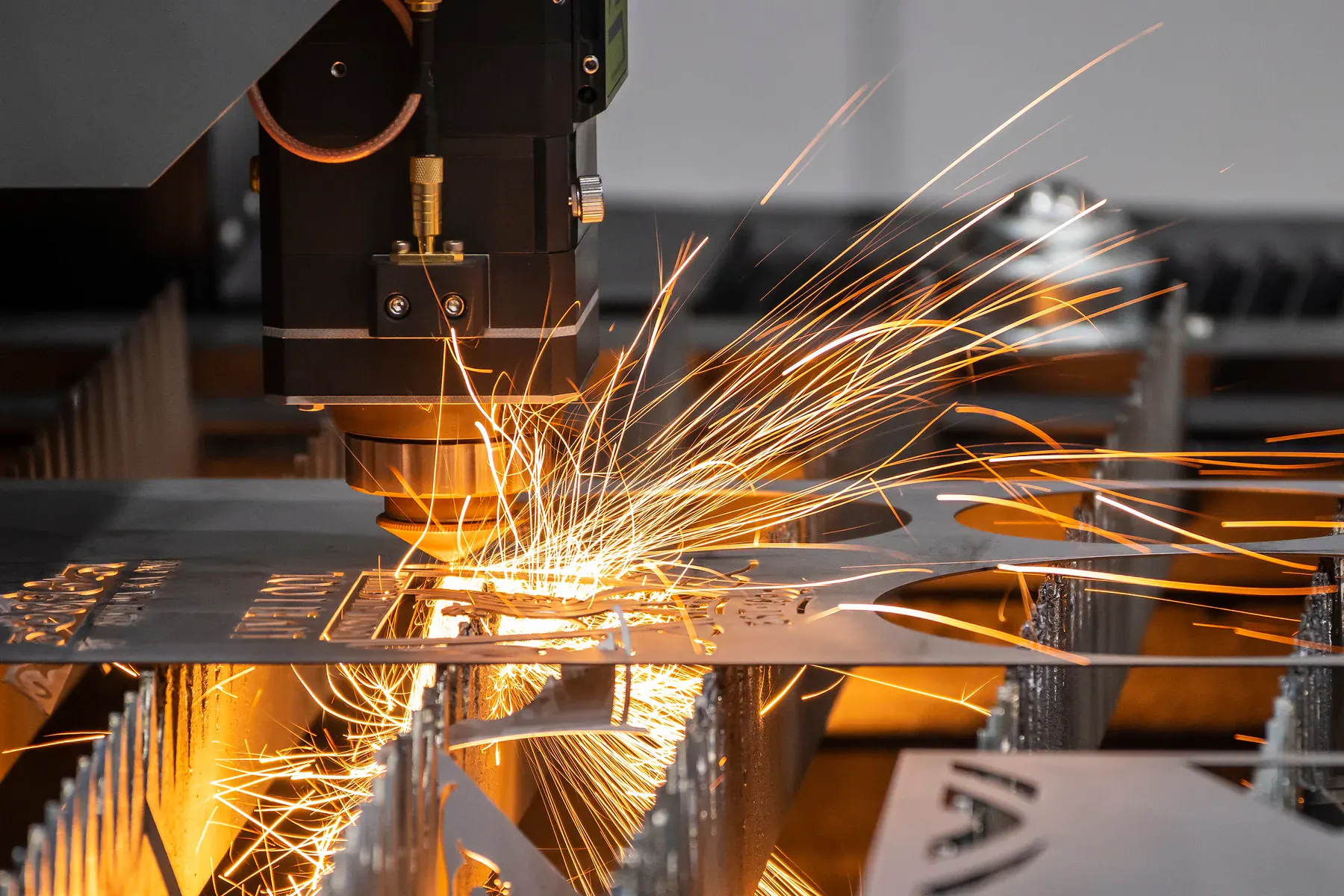
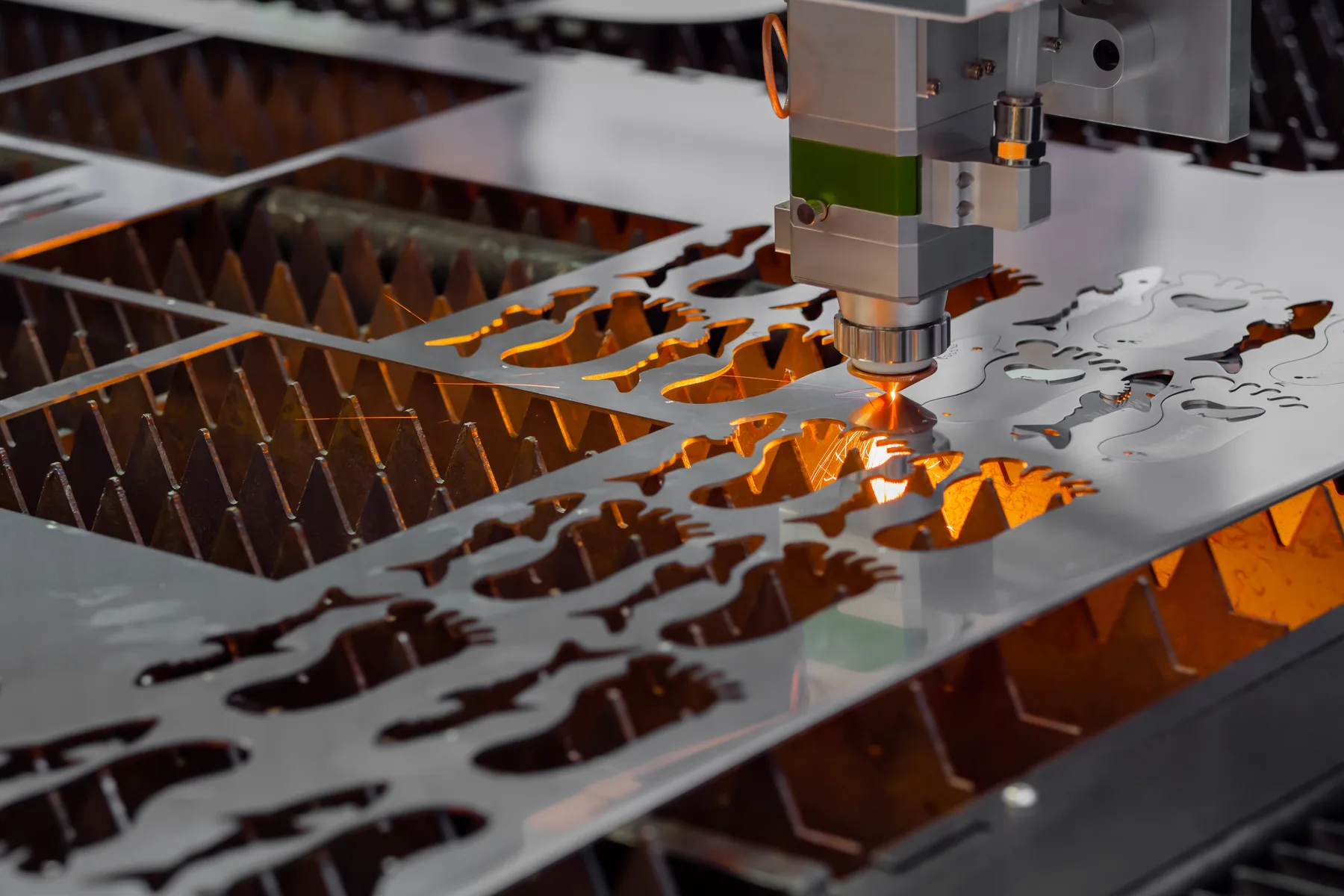
Metal sheet parts, brackets, plates, guards, labels, panels and repeat CAD-cut components.
- Usually suitable for fast pricing
- Mild steel up to 12 mm, stainless steel up to 6 mm, aluminium up to 5 mm.
- Move to reviewed quoting
- Brass up to 3 mm, copper up to 2 mm, Colorbond/coated steel around 1 mm, Corten, galvanised, supplied sheet, tight fit, very small detail or critical edge finish.
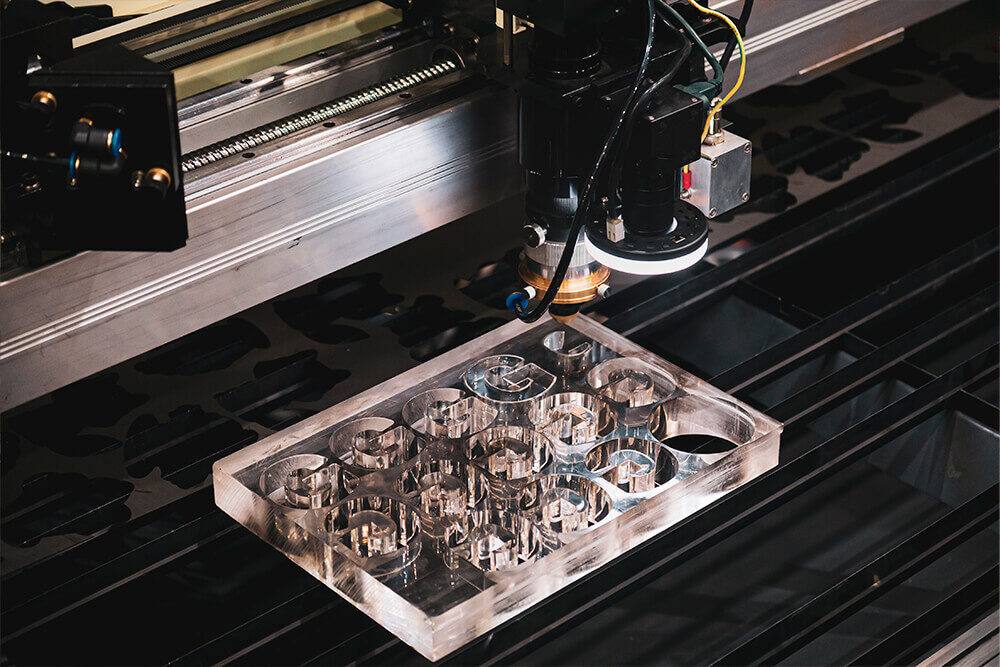
CO2 laser cutting
Up to 3000 x 1500 mm working area
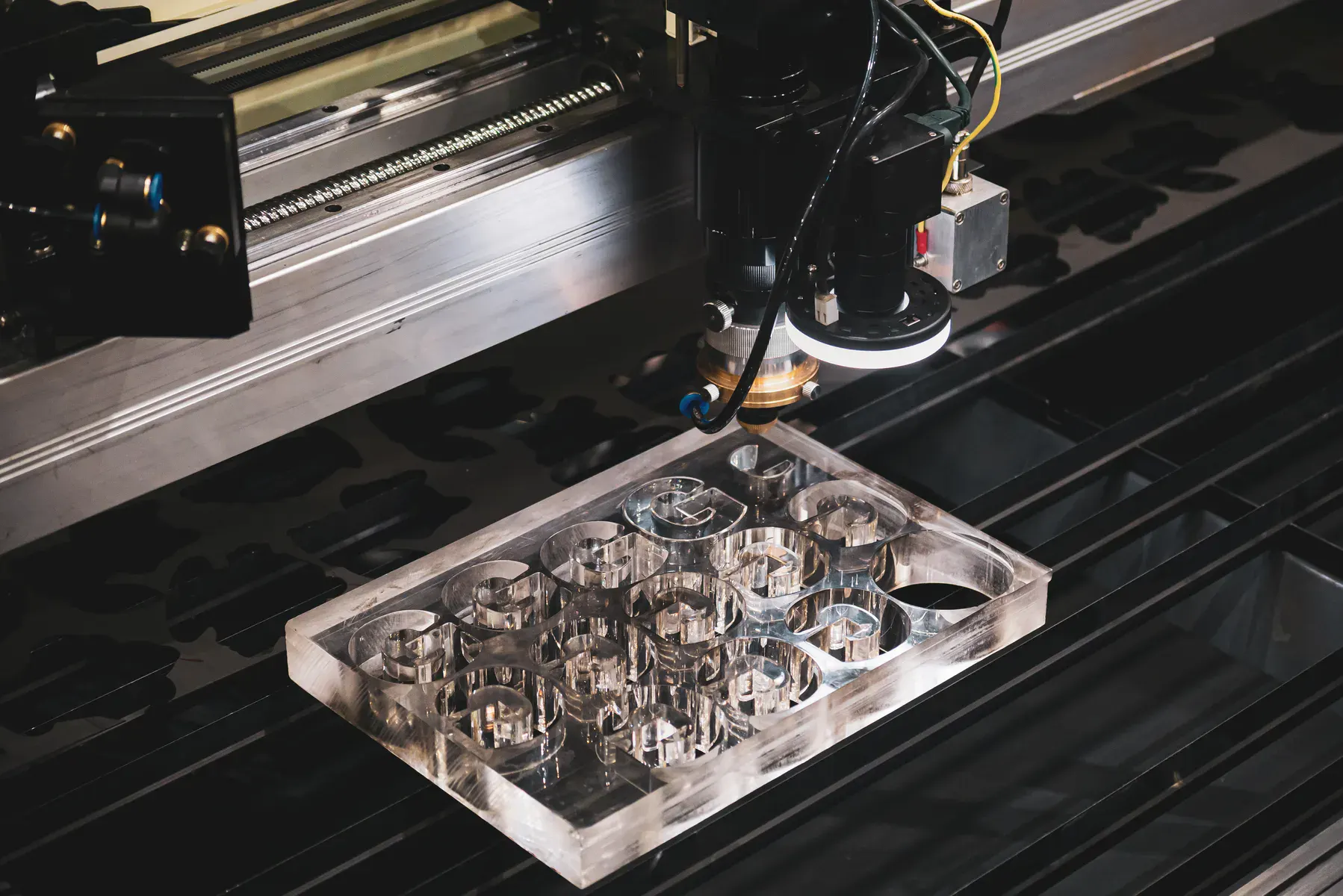
Acrylic, Perspex, display parts, letters, templates, light MDF/plywood and paper/cardboard work.
- Usually suitable for fast pricing
- Acrylic up to 20 mm, MDF and plywood up to 6 mm, cardboard and paper up to 3 mm.
- Move to reviewed quoting
- Supplied acrylic, thick or finish-critical acrylic, engraving depth, PETG, polycarbonate and unknown plastics. PVC and vinyl are not CO2 laser-cut.
Fiber laser metals
For flat sheet metal profiles where grade, thickness, detail and finish are suitable.
| Material | Guide range | Production note |
|---|---|---|
| Mild steel | Up to 12 mm | Best standard metal range for brackets, plates, tabs and fabrication parts. |
| Stainless steel | Up to 6 mm | Good for visible or corrosion-resistant parts where finish expectations are clear. |
| Aluminium | Up to 5 mm | Suitable for lightweight sheet parts, panels and signage components where grade is appropriate. |
| Brass | Up to 3 mm | Reviewed because reflectivity and visible finish can matter. |
| Copper | Up to 2 mm | Reviewed before acceptance because material grade, reflectivity and heat behaviour matter. |
| Colorbond / coated steel | Around 1 mm | Reviewed for coating, visible face, fumes, scratching and handling. |
| Corten steel | Reviewed | Suitable for many flat profiles, but thickness, grade and finish expectations should be confirmed. |
CO2 laser materials
For acrylic-led non-metal work where the material is known to be laser-suitable.
| Material | Guide range | Production note |
|---|---|---|
| Acrylic / Perspex | Up to 20 mm | Primary CO2 laser material for signs, panels, letters, covers, templates and display parts. |
| MDF / plywood | Up to 6 mm | Suitable for light templates, display parts and engraving-style work where edge darkening is acceptable. |
| Paper / cardboard | Up to 3 mm | Suitable for light packaging, templates, samples and prototype work. |
| PETG / polycarbonate | Reviewed | Not treated as a simple default. Needs material and finish review before acceptance. |
| PVC / vinyl | Not laser-cut | Do not send PVC or vinyl for CO2 laser cutting. These need another process or review. |
Standard quote range
Clean DXF/DWG, known sheet grade, simple geometry, clear material thickness and no special finish requirement.
Reviewed before acceptance
Reflective metal, coated sheet, supplied material, very fine detail, tight fit, visible face or edge-finish sensitivity.
Do not assume laser
PVC/vinyl, unknown plastics, unclear supplied sheets and jobs where router or knife cutting would be safer belong outside this laser guide.
Fiber means metal
Mild steel, stainless steel, aluminium and selected reflective or coated metals are fiber laser jobs. Reflective, coated, supplied or finish-critical metals should move to reviewed quoting.
CO2 means acrylic-led
Acrylic and Perspex are the core CO2 laser materials. Light MDF, plywood, paper and cardboard can suit some jobs, but unknown plastics must be checked before acceptance.
Confirm before production
Final suitability depends on sheet grade, supplied material condition, small features, visible faces and edge expectations, so borderline laser jobs should move to reviewed quoting.
What we cut
Practical work behind the search term.
A practical laser-only guide to material thickness before quoting, with clear separation between fiber laser cutting for metals and CO2 laser cutting for acrylic-led non-metal work.
This page exists for commercial intent: buyers who need a part, panel, material or local cutting service and want to know whether they can upload a file for instant pricing or should request review.
Fiber laser metals
Mild steel, stainless steel, aluminium, brass, copper, Colorbond and Corten are assessed by thickness, grade, reflectivity, detail size and finish expectation.
CO2 laser acrylic
Acrylic and Perspex are the primary CO2 laser materials. Thickness affects edge quality, heat behaviour, cost, handling and whether review is needed.
Light CO2 laser materials
Selected MDF, plywood, paper and cardboard can suit CO2 laser cutting where edge darkening, sheet quality and final use are acceptable.
Materials that need review
PETG, polycarbonate, supplied acrylic, coated metals, reflective metals and finish-critical work should be checked before price acceptance.
Materials not for CO2 laser
PVC and vinyl should not be CO2 laser cut. They should move to another process or reviewed quoting.
Small features
Tiny holes, thin bridges, sharp internal corners and fragile details should be checked against the selected laser process and material thickness.
Project gallery
Production examples for this type of work.
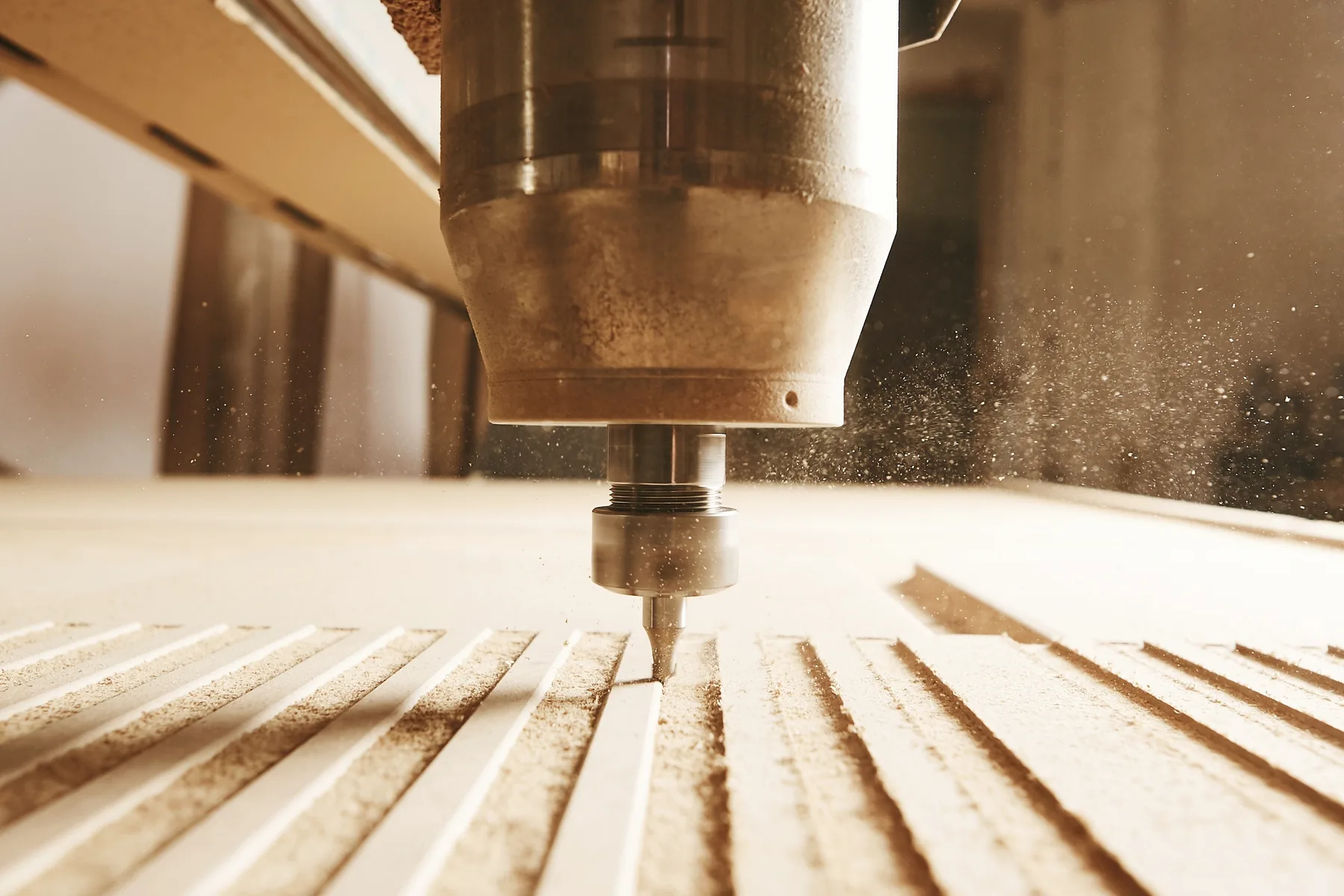
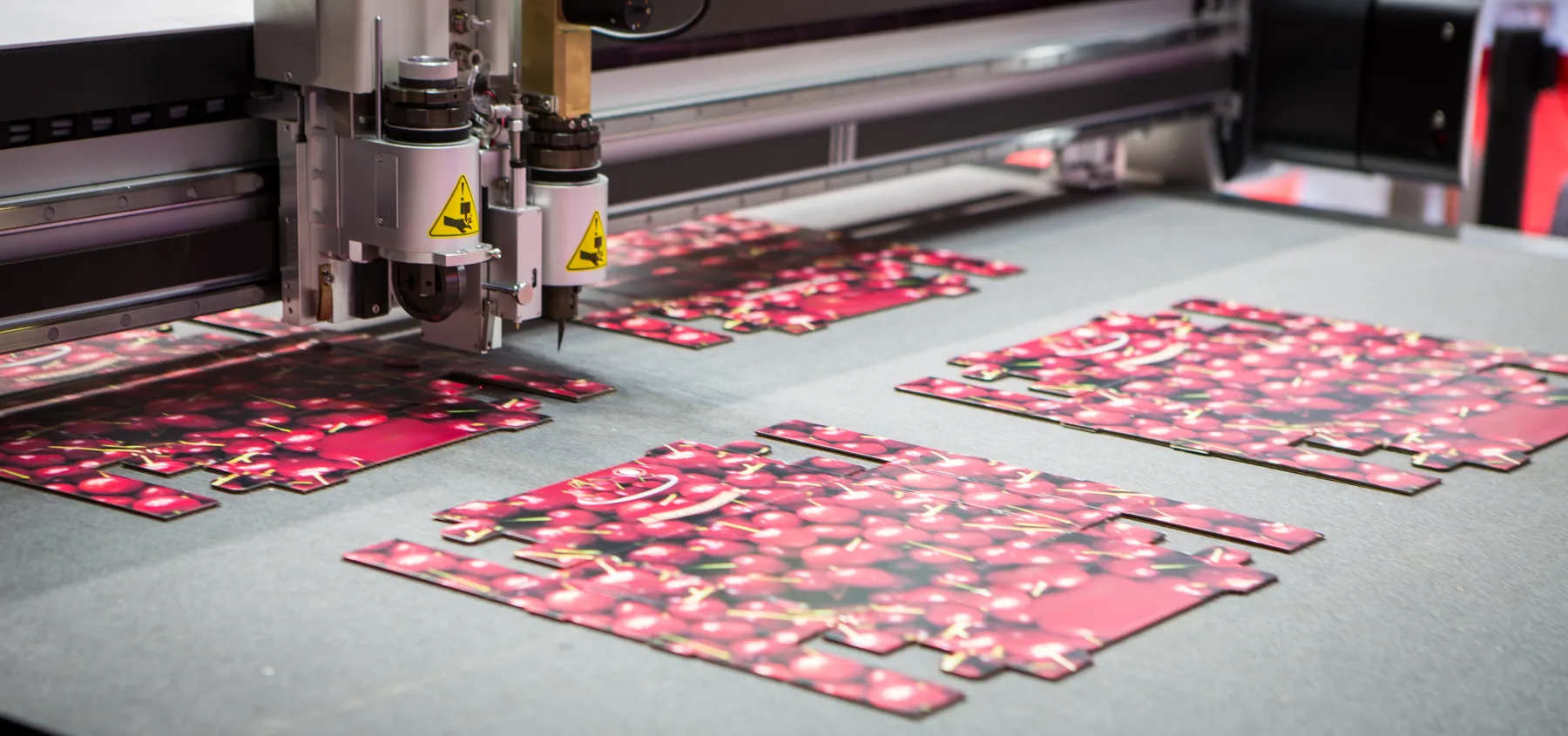
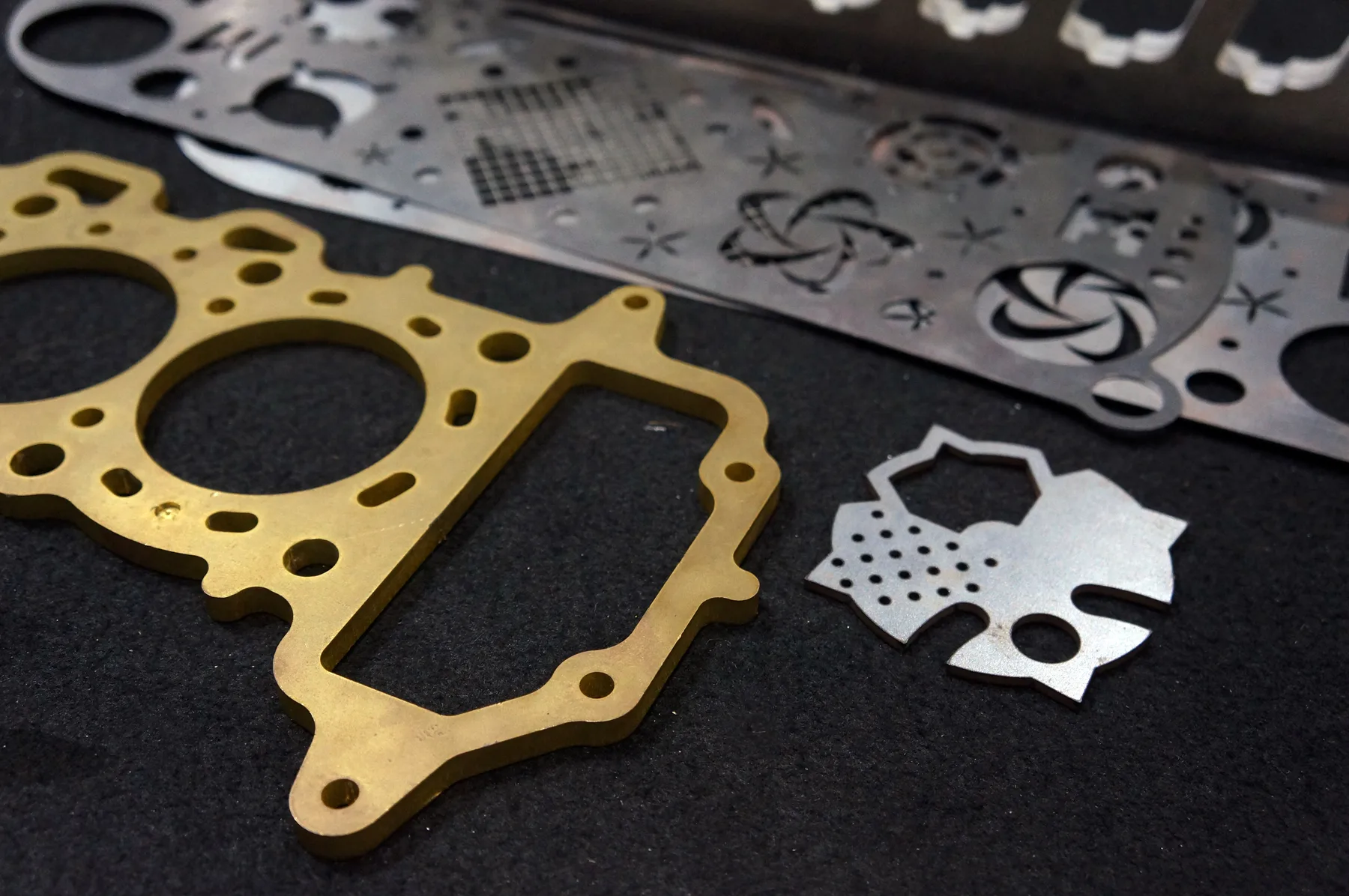
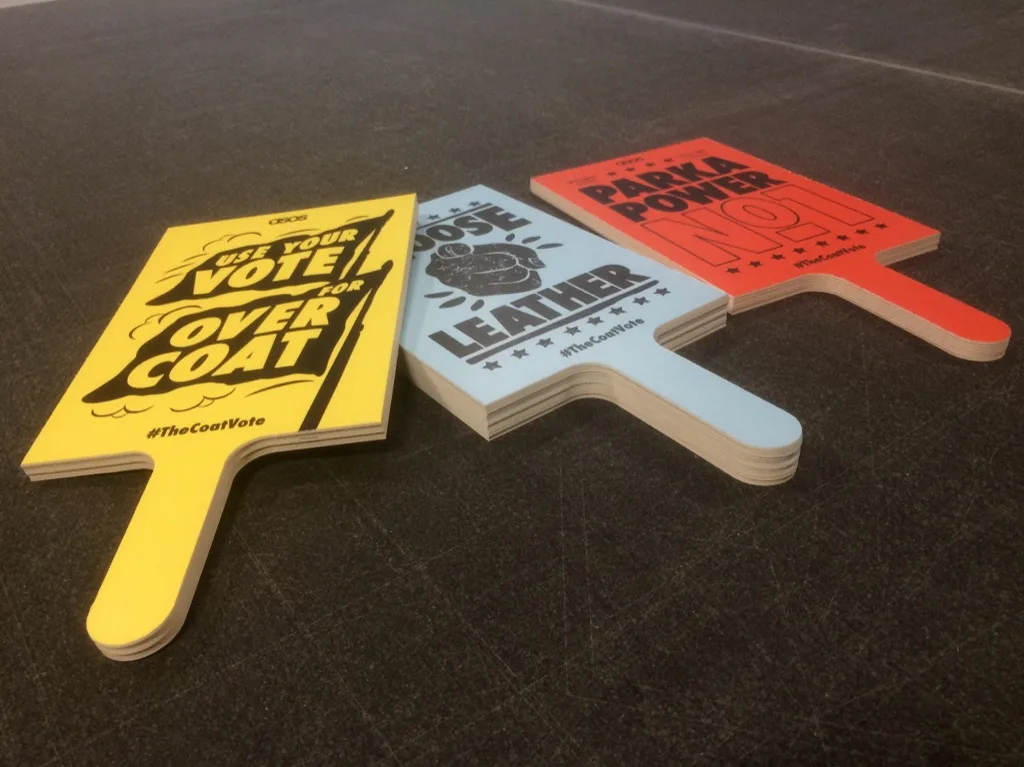
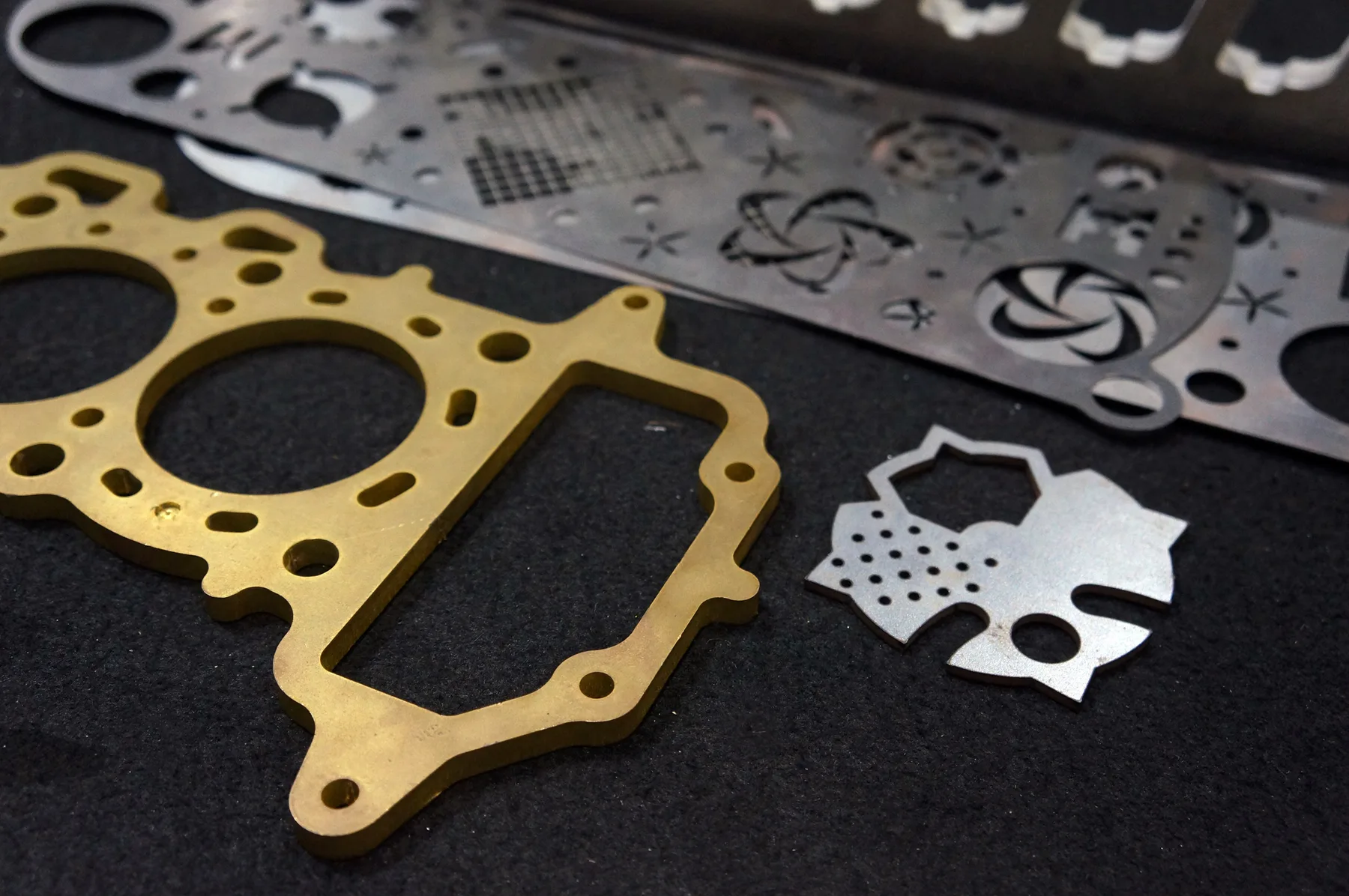
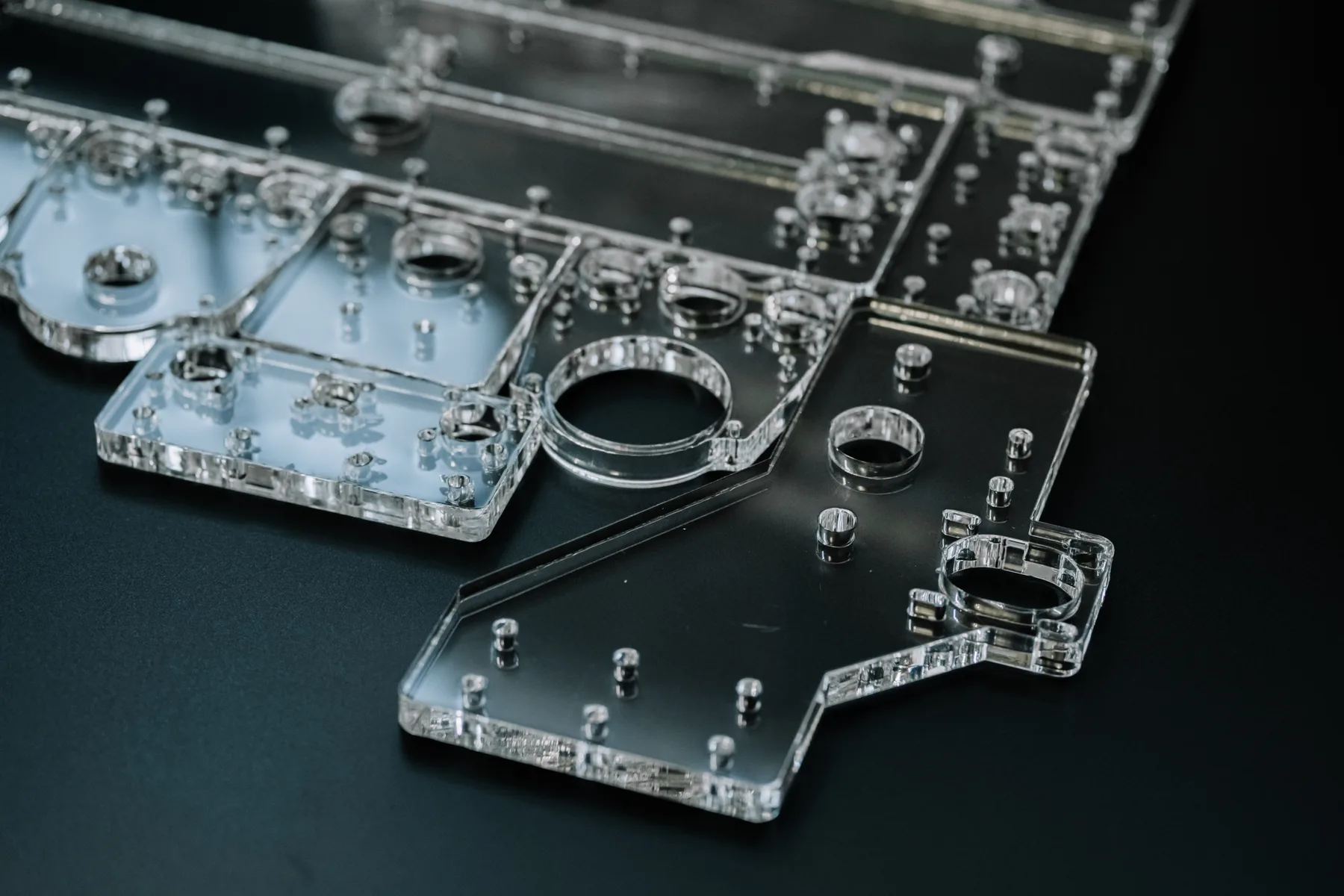
Relevant workshop, material and process photos showing the kind of cutting work this page is built around.
Materials and production fit
Match material, file and quote path before production.
The fastest quote is a clean file with known material and thickness. The safest quote is a reviewed job when finish, fit or production risk matters.
Fiber laser metals
Best for selected metal sheets and plates where the material grade and thickness suit the process.
- Mild steel up to 12 mm
- Stainless steel up to 6 mm
- Aluminium up to 5 mm
- Brass up to 3 mm review
- Copper up to 2 mm review
Reviewed fiber metals
Some metals are suitable but should not be treated as automatic instant-approval work.
- Colorbond/coated steel
- Corten steel
- Galvanised sheet
- Supplied metal
- Finish-critical faces
CO2 laser materials
Best for acrylic-led non-metal work where the material is known and laser-suitable.
- Acrylic / Perspex up to 20 mm
- MDF and plywood up to 6 mm
- Paper and cardboard up to 3 mm
- PETG/polycarbonate review
- No PVC or vinyl
Capabilities at a glance
Details buyers need before sending files.
Process
Laser cutting thickness guidance for fiber laser metals and CO2 laser acrylic-led materials.
Accepted files
DXF, DWG or vector PDF files with real cut paths at the correct scale.
Best buyers
Engineers, fabricators, sign shops, shopfitters, designers, packaging teams and procurement buyers choosing laser-cut material thickness.
Instant pricing
Suitable when the file is clean, the material and thickness are known, and the job fits the supported fiber or CO2 laser range.
Reviewed quote
Best when the material is reflective, coated, supplied by the customer, finish-critical, very detailed, unusual or close to the practical laser limit.
Production base
Sydney production support from Botany NSW, with pickup or delivery for suitable Australian jobs.
Why this page matters
Built around high-intent SEO and real quote decisions.
These are not thin doorway pages. Each one captures a specific commercial query and routes buyers into the correct material, service, location or quote pathway.
High-intent query
Thickness questions come before quote decisions, so this page captures high-value laser cutting buyers before they upload the wrong file or choose the wrong laser process.
Clear routing
The page routes visitors into fiber laser, CO2 laser, metal, acrylic and file-prep pages while keeping router and knife decisions separate.
Quote quality
It reduces false assumptions by explaining that fiber and CO2 laser cutting serve different materials and thickness ranges.
Internal cluster
This strengthens laser cutting, metal cutting, acrylic cutting, file prep and instant quote pathways.
Instant pricing
Have cut-ready CAD?
Use instant pricing when material, thickness and quantity are known and the file is clean enough for supported laser cutting-only work.
- DXF, DWG or vector PDF only
- Real vector cut paths at correct scale
- Material, thickness and quantity selected
Reviewed quote
Need production advice?
Use reviewed quoting for reflective metals, coated metals, supplied sheets, critical finishes, fragile details, large panels or uncertain material compatibility.
- Sketches, samples, photos or unclear drawings
- Supplied materials, finishing, assembly or special handling
- Critical tolerance, visual finish or installation risk
Cutting technologies
Processes connected to this page.
The best process is selected around material, thickness, finish, geometry and whether the file is ready for instant pricing.
Technical guidance
What matters before production starts.
Fiber and CO2 are different laser processes
Fiber laser cutting is used for suitable metals. CO2 laser cutting is used for acrylic-led non-metal work. The same thickness number does not mean the same production path.
Metric production
Australian production should be discussed in millimetres. If a file uses another unit, confirm the real-world size before quoting.
Small holes and thin bridges
Very small features should be checked against material thickness so the part does not become fragile or hard to cut cleanly.
Do not assume every plastic can be lasered
Acrylic and Perspex are strong CO2 laser fits. PVC and vinyl should not be CO2 laser cut, and unknown plastics need review.
Related services and materials
Useful next pages for this quote.
These pages move buyers from the broad search term into process, material, location or application detail.
Common questions
Answers before production starts.
Can every thickness be quoted instantly?
No. Instant pricing works best for supported, clear cutting-only jobs. Unusual thicknesses or critical parts should be reviewed.
Do you work in millimetres?
Yes. Production dimensions should be treated as metric and confirmed in millimetres.
Does thicker material cost more?
Usually yes, because material, cutting time, handling and edge expectations can change.
Which laser process should I choose?
Choose by material first: suitable metals use fiber laser cutting, while acrylic and Perspex usually use CO2 laser cutting.
Quote-ready files
Send laser cutting material thickness guide australia through the right quote path.
Use instant pricing for clean cutting files, or send complex jobs through reviewed quoting when production decisions matter.